Are There Natural Wellness Practices That Improve Sleep Quality?
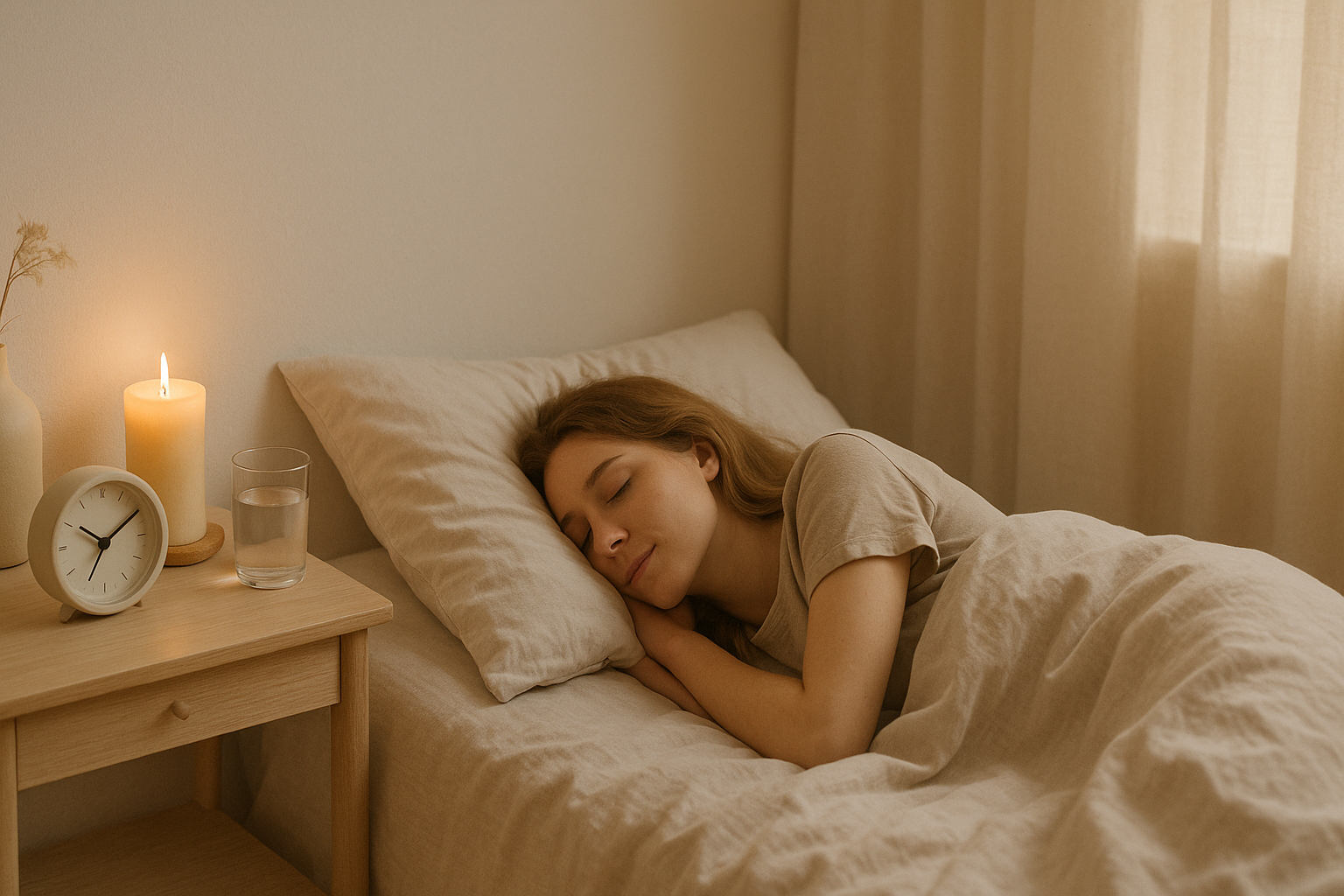
Quick Answer — Yes, simple daily choices can make a real difference. A steady wake‑up time, morning daylight, a 60–90 minute wind‑down, earlier exercise, and smart timing of meals, caffeine, and alcohol build reliable sleep pressure. Small switches like moving strong mouthwashes away from bedtime, keeping the room cool and dark, and using one familiar relaxation method can smooth your path to sleep. Add one change at a time and give it a week to settle.
What natural habits actually move the needle on sleep quality?
Better nights usually start with repeatable daytime anchors. Your body clock likes rhythm. Waking at the same time each day and getting outdoor light soon after helps you feel naturally sleepier at a stable hour at night. In UK guidance, simple sleep hygiene comes down to consistent timing, light cues, and a calm pre‑bed routine you can keep on busy days too. The NHS overview is a useful refresher if you want the basics in one place (NHS).
Next, protect “sleep pressure” — that steady build‑up of sleepiness — by staying active by day and avoiding long, late naps. Movement earlier in the day helps most people drift off more easily at night, while lengthy naps after mid‑afternoon can unsettle the night’s drive to sleep. The WHO highlights regular physical activity for overall health; for sleep specifically, think regularity over intensity.
Finally, create a pre‑sleep buffer: for the last 60–90 minutes, dim lights, limit notifications, and switch to low‑stimulation activities — reading, journalling, light stretching, or tidying tomorrow’s to‑do list. Stack small wins: adjust temperature, darkness, and quiet together. The gains add up when you pull several levers at once.
- Anchor your body clock: consistent wake‑up time, morning daylight, and a wind‑down window at night.
- Protect sleep pressure: avoid long late naps; keep daytime movement regular and earlier in the day.
- Create a pre‑sleep buffer: 60–90 minutes device‑dim, low‑stimulation activities.
- Stack small wins: cool, dark, and quiet together for compounding gains.
If you do shift work, keep the same principles but adjust the cues to your schedule: bright light soon after your main wake time, darker conditions ahead of sleep, and a predictable wind‑down that starts at the same relative point each day. Blackout curtains and a consistent white noise source can be especially helpful for daytime sleepers.
78% of Inner Circle subscribers maintained their regimen for 6+ months Source: Inner Circle subscribers with recorded billing cycle count (2024–2025)
How should I time light, food, and movement for better sleep tonight?
Light is your strongest external cue. Aim for 10–30 minutes of outdoor light within 1–2 hours of waking, even on cloudy UK days. After sunset, shift to warmer hues and dim the house. This contrast — bright days and softer evenings — gives your body a simple message: active by day, quiet by night. The CDC’s sleep hygiene guide echoes this day‑night lighting pattern as a core habit.
Food timing matters as much as food type. Finish larger meals 2–3 hours before bed so your body can settle. If you need something later, keep it small and protein‑fibre focused instead of rich or sugary. For caffeine, a practical rule is an 8–10 hour buffer before bedtime. Sensitive sleepers may need to stop even earlier or stick to decaf or herbal choices after lunch. Avoid using alcohol as a sleep aid; while it can make you feel drowsy, it tends to fragment the second half of the night.
Movement is powerful but timing and intensity count. Earlier exercise suits most. If evenings are your only slot, keep it light to moderate and finish 2–3 hours before bed. A short walk after dinner can be enough to ease restlessness without leaving you too alert at lights‑out.
Consider screen light as part of the plan. Laptops and phones close to the eyes deliver a bright cue. Reduce brightness, switch to warmer tones, and keep devices further from your face during the last hour. Even simple changes — larger text, lower contrast — can make screens feel less activating.
Can my evening oral-care routine affect how well I sleep?
Yes — mouth comfort can shape how quickly you drift off and how often you wake. A recent quasi‑experimental study found that some common mouthwashes can produce short‑term side effects that affect oral comfort and quality of life. For some people, using strong rinses right before bed may contribute to a drier feel that could nudge awakenings. Adjusting timing — moving certain rinses earlier in the evening — may help sensitive sleepers (Navabi et al., 2024; PMID 37793064). [1]
If you wear a night guard or retainer, cleaning and fully drying it before lights‑out reduces odour or lingering tastes that can distract you as you’re settling. Finish any vigorous brushing or tongue scraping 30–60 minutes before bed, then sip only water. Keep a bedside glass handy. A small room humidifier can also help some people maintain a more comfortable oral and nasal feel overnight.
For those who prefer lipid‑based gum care, a supportive option is a professional‑strength, lipid‑based gum care concentrate such as Dental Pro 7. Used as part of a daily routine, its focused application can leave teeth feeling freshly polished and the breath fresher for longer — helping your wind‑down feel cleaner and more put‑together. It’s framed around appearance and freshness: a more defined, visually elevated gum line and healthier‑looking gums, with 100% Lipid Potency. As always, it’s a supportive step, not a medical fix. [2]
| Timing Choice | What It Looks Like | Potential Impact on Comfort and Sleep Onset | Who It May Suit |
|---|---|---|---|
| Right at lights‑out | Brush + vigorous scrape + strong rinse, then straight to bed | Very clean feel, but for some, a drier mouth or lingering taste can make settling harder | People who don’t notice dryness or taste carry‑over |
| 30–60 minutes before bed | Finish full routine, then only sip water until sleep | Comfort has time to stabilise; fewer taste or dryness distractions at lights‑out | Most sleepers, especially those sensitive to mouthfeel |
| Earlier evening split | Full clean after dinner; quick, gentle brush‑through before bed if needed | Strong products used earlier; bedtime stays simple and comfortable | People who use intense rinses or wear a retainer/night guard |
In my experience, the “30–60 minutes before bed” approach works well for those who report dryness‑related awakenings. It keeps the clean, fresh feel while giving your mouth time to settle before lights‑out.
Could hair, scalp, or skin products be quietly keeping me awake?
They can, especially if they tingle, itch, feel hot, or carry strong scent on the pillow. A 2025 review notes contact reactions to certain hair fibres, adhesives, and related practices. It’s a reminder to patch‑test by day and bring new products into your routine earlier rather than last thing at night (Collins & Yu, 2025; PMID 39936215).
Keep pillow‑contact areas simple. If your hair holds scent, tie it back loosely or use a breathable wrap. Go lighter on strong leave‑ins near the hairline so your pillow picks up less. Rotate pillowcases frequently and choose breathable fabrics to cut heat and friction, both of which can nudge middle‑of‑the‑night wake‑ups.
If a product makes your skin or scalp feel busy — tingling, itchy, or hot — rinse before bed. Re‑introduce it earlier in the day to test your tolerance without sacrificing sleep. Subtle, consistent scents tend to work better as a wind‑down cue than bold or changing aromas.
What simple bedroom tweaks make the biggest difference?
The big three are cool, dark, and quiet. Aim for about 16–18°C, blackout‑level darkness, and steady, low sound. If your street is noisy, try white or brown noise to smooth out sharp sounds that can wake you. Small, consistent cues teach your brain what the room is for.
Protect the bed’s job: sleep and intimacy only. Removing desks, bright clocks, and notification‑heavy devices helps you stop “doing” by default. If you like scent, keep it subtle and consistent — more a whisper than a cloud. A familiar freshness can be a simple “time to settle” cue.
Make the wind‑down effortless by setting the stage before you’re sleepy. Lay out earplugs and an eye mask, fill a bedside glass of water, and prepare your blackout curtains. Declutter the walkways so nothing feels awkward in the dark. Tiny frictions often cause tiny wake‑ups.
- Test bedding by season: lighter, breathable layers in summer; insulated but breathable layers in winter.
- Face clocks away from the bed to avoid late‑night time checking.
- Keep chargers outside the bedroom or in a drawer to lower the temptation to scroll.
When should I use breath and body-based techniques to unwind?
Breathe and body techniques work best as part of a routine, not a rescue. Schedule 5–10 minutes in your wind‑down window. Try slow nasal breathing (around 5–6 breaths per minute), progressive muscle relaxation, or a brief body scan. Do it in dim light, seated or reclined, and finish just before you get into bed.
If you wake at night, repeat one familiar method for 3–5 minutes. Don’t introduce a brand‑new technique at 3 am; stick with what your body already links to “settle now.” Track which method gives you the heaviest eyelids and make it your default most nights.
In my practice, people do best when they keep one or two techniques and use them in the same order nightly. Consistency teaches the body to respond faster over time.
Is there a smarter way to use supplements and scents without overdoing it?
Yes — go routine first, extras second. Give your basic habits 1–2 weeks before adding anything. If you want to try a supplement, start with a single‑ingredient option so you can tell what’s doing what. Introduce it earlier in the evening rather than at lights‑out and keep the dose modest.
For aromatics, choose one scent as a wind‑down cue and keep it subtle and consistent. Too much scent, or many scents cycling at once, can push you the other way. Think of fragrance as a light signal for the senses — present but not competing.
Review any supplement with a healthcare professional if you take prescriptions, are pregnant, or have a condition. Good habits are the main engine; extras are fine‑tuning.
When to see a professional
If sleep stays poor after 2–3 weeks of consistent habits; if you snore loudly, gasp, or stop breathing during sleep; if pain, reflux, or persistent dry mouth wakes you; or if a dental device feels uncomfortable or affects your bite — speak to your GP, dentist, or a sleep specialist.
Frequently Asked Questions
What is the single best first step to improve sleep quality this week?
Fix your wake‑up time first. Get 10–30 minutes of outdoor light within 1–2 hours of waking, every day, even on weekends. This anchors your body clock, makes you sleepier at a predictable time, and makes all other changes work better.
How late is too late for caffeine if I want solid sleep?
For most people, set a cut‑off 8–10 hours before your target bedtime. If you sleep at 11 pm, aim to stop by 1–3 pm. Sensitive sleepers may need an earlier cut‑off, smaller servings, or switch to decaf or herbal options after lunch.
Why do I wake up with a dry mouth, and what can I change in my routine?
Causes include mouth breathing, a warm or dry bedroom, certain rinses, and late-night alcohol. Try a cooler room, a bedside glass of water, move strong mouthwashes to earlier in the evening, and review alcohol timing. If dryness persists, speak to your dentist or GP.
Do evening workouts really hurt sleep, or does timing matter more?
Timing and intensity matter most. Many people sleep well after light‑to‑moderate evening movement if they finish 2–3 hours before lights‑out. Very intense sessions close to bedtime can leave you too alert. Experiment and note your response.
Which relaxation technique should I try if my mind races at bedtime?
Start simple: slow nasal breathing (about 5–6 breaths per minute) or a short body scan. Practice for 5–10 minutes in dim light during your wind‑down, not in bed. Use the same method at night if you wake.
Can changing my pillowcase or hair products actually help me sleep better?
Yes. Fresh, breathable pillowcases reduce heat and friction. Strong scents, new styling fibres, or adhesives can cause itch or sensory overload; test by day, and keep pillow‑contact areas minimal at night.