What Are the Benefits of Herbal Supplements for Wellness?
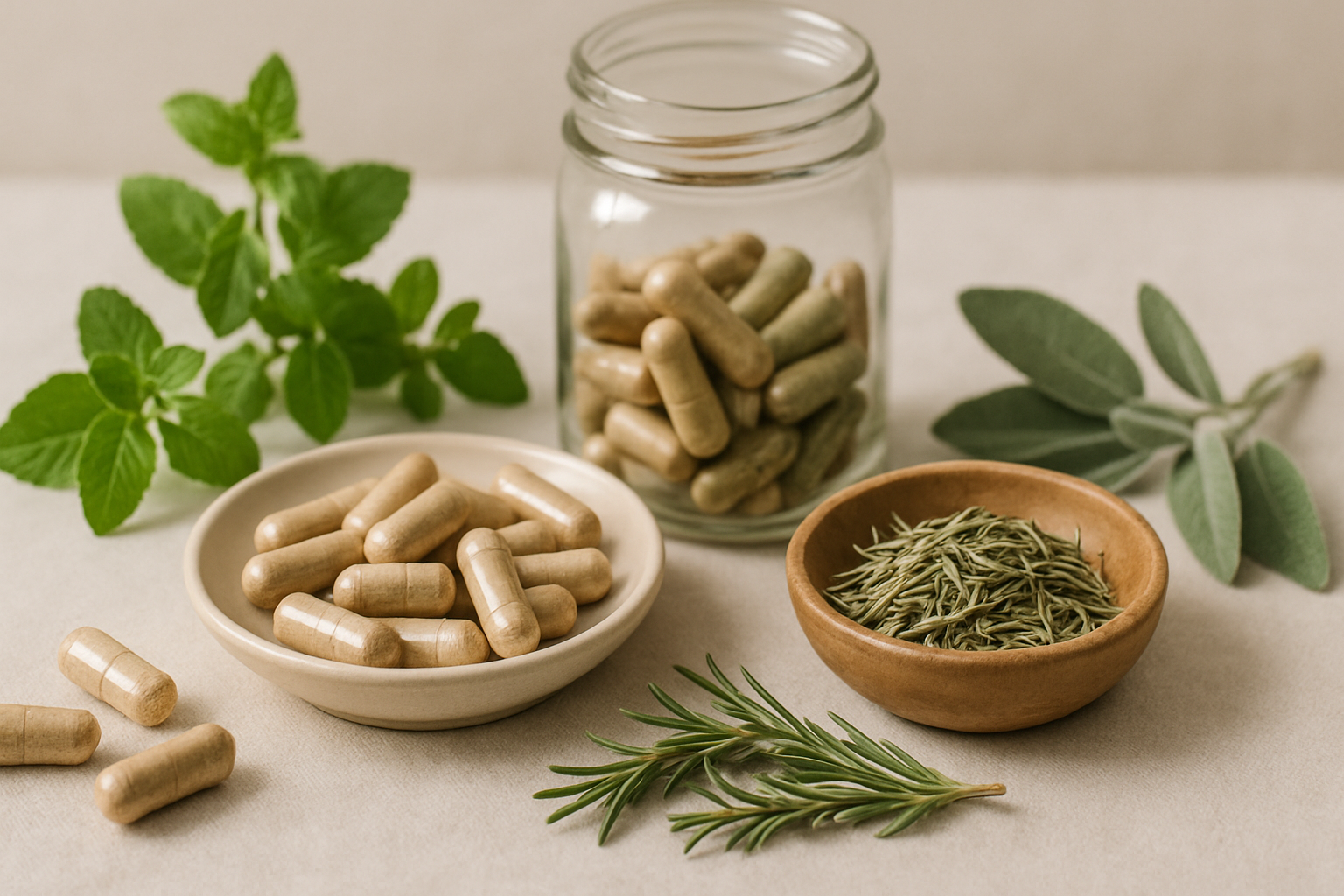
Herbal supplements sit at the crossroads of traditional know-how and modern research. Used thoughtfully, they can complement a balanced routine and add concentrated plant compounds to your day. This guide keeps an evidence-first lens: where data are strongest, where to be cautious, and how to make choices that match your goals—while keeping food, sleep, movement, and stress care as your foundation. [1]
What counts as an herbal supplement—and how is it different from herbs in food?
Herbal supplements concentrate specific plant parts—leaves, roots, bark, flowers, or standardized extracts—into capsules, tablets, teas, or liquid concentrates. By design, these forms deliver higher, more consistent amounts of key compounds than a typical pinch of a spice or a cup of a basic infusion at home. That consistency can help you evaluate whether an addition is useful for your routine over several weeks.
Quality labels should list the plant’s common name and Latin binomial, the part used (for example, leaf vs. root), and any standardized constituents (for instance, a defined percentage of a marker compound). Clear labels also disclose excipients, serving size, suggested use, lot number, and a way to contact the manufacturer. Storage guidance matters too—cool, dark places help preserve potency; avoid bathroom humidity and bright windowsills.
Food is still your foundation. Diverse meals bring a wide mix of phytonutrients that work together. Supplements can be a supportive add-on for clear goals—but they’re not a replacement for balanced eating, sleep, movement, and stress care. For fact sheets on many botanicals, visit the NIH Office of Dietary Supplements. For general guidance on safe use of herbal remedies, see the NHS overview of herbal medicines.
78% of Inner Circle subscribers maintained their regimen for 6+ months Source: Inner Circle subscribers with recorded billing cycle count (2024–2025)
Which wellness gains are most supported by research?
First, the antioxidant story. A large comparative analysis of more than 3,100 foods, beverages, herbs, spices, and supplements ranked many culinary seasonings among the densest sources of total antioxidant capacity per gram. That means even small, routine amounts can contribute meaningfully to overall dietary antioxidant intake (PMID 20042466). Building meals around plants, then layering in herbs and spices, offers a practical way to lift overall dietary quality before considering capsules.
Second, antimicrobial potential in lab settings. Certain botanicals show activity against microbes in experimental models. For example, tea tree (Melaleuca alternifolia) preparations have enhanced the effect of an antibiotic against specific bacteria in a laboratory system (PMID 39733883). These findings help generate hypotheses, but lab signals don’t automatically translate to everyday human use. Dose, form, and product quality matter, and human studies are the gold standard for assessing real-world relevance. [2]
Third, aromatic and topical research avenues. Eucalyptus preparations, for instance, continue to be explored across various applications (PMID 39499358). Again, human-use relevance depends on the delivery form, concentration, and safety profile. In my experience, staying grounded in standardized products and clear label directions protects both expectations and outcomes. If a claim sounds sweeping or instant, pause and look for primary sources before you buy. [3]
Finally, real-world practicality. Herbs that show promise and are easy to use daily tend to be the most helpful. Think culinary spices in meals, brewed green tea, and single-herb standardized products with clear dosing. Consistency beats occasional surges.
How do I choose a quality herbal supplement safely?
Quality varies widely. Look for third-party verification logos such as USP, NSF, or ConsumerLab. If those aren’t present, ask the brand for a recent Certificate of Analysis that confirms identity (correct species and plant part), potency (measured constituents), and purity (screening for heavy metals, microbes, and common adulterants). Responsible brands can supply this promptly.
Favor transparency. Good labels specify standardized ranges for key constituents and list all excipients. Avoid blends that hide amounts behind “proprietary” language if you need dose clarity. If you’re new to a category, start with a single-herb product rather than a complex blend so you can gauge how it suits you. Consider sustainability and sourcing as well; wildcrafted botanicals should be harvested ethically and not from endangered species. Reputable suppliers disclose origins and testing methods.
Storage and shelf life matter. Keep capsules and liquids sealed, away from heat and humidity. Note the “best by” date. Discard products that change color dramatically, separate strangely, or develop an off-odor. For liquids, follow any refrigeration guidance after opening.
How to choose and use wisely
- Clarify your goal: general antioxidant intake, oral care adjunct, or another defined aim.
- Prioritize food-first steps before buying a capsule.
- Pick products with USP, NSF, or ConsumerLab seals or request a Certificate of Analysis.
- Cross-check for medicine interactions (see the NIH ODS and your pharmacist).
- Begin low and go slow, adding one new item at a time for 2–4 weeks.
- Keep a brief log of dose, timing, and any effects; reassess at 4–8 weeks.
Can plant-based concentrates play a role in oral care routines?
Oral wellness starts with consistent mechanical cleaning—brushing twice daily with a fluoride toothpaste and cleaning between teeth. As an adjunct, mouthrinses based on concentrated plant distillates have been studied. A recent systematic review and meta-analysis found that these mouthrinses, with or without alcohol, can reduce plaque and gingivitis when used alongside standard hygiene (PMID 39133629). For core oral-care guidance, see the American Dental Association’s advice on toothbrushing and interdental cleaning.
Eucalyptus and tea tree–based formulations are active topics in the research world (PMID 39499358; PMID 39733883). If you explore a plant-forward mouthrinse or concentrate, choose products intended for oral use, follow label directions, and avoid ingesting items not labeled for ingestion. For background on gum health more broadly, see educational resources via PubMed (PMID 32119477).
Some readers ask about specialty concentrates. One supportive option in a daily routine is Dental Pro 7, a professional-strength, lipid-based gum care concentrate. It’s designed as part of regular home care—not a cure or a stand-alone fix. If you try a product like this, introduce it as a single change so you can fairly judge its role.
Who should be cautious or avoid certain herbal supplements?
Anyone with a history of immediate hypersensitivity, atopy, or plant allergies should review ingredient lists carefully and consider patch testing for topicals. Herbs can provoke allergic responses in sensitive individuals. For a medical overview of immediate hypersensitivity, see PubMed (PMID 30020687).
Pregnant or breastfeeding individuals, children, and older adults with multiple health conditions should consult a clinician before use. If you have an upcoming procedure, disclose all supplements in advance so your care team can advise on timing and safety. If you use products with naturally occurring caffeine or potent aromatic compounds, be mindful of timing relative to sleep and any individual sensitivities.
When to see a clinician or pharmacist
If you develop hives, swelling, breathing difficulty, sudden dizziness, or any fast-onset reaction after starting an herb, stop the product and seek care immediately. For non-urgent questions—like how to time a supplement with your medications—speak with a pharmacist.
How do herbs and medicines interact—and how do I check?
Plant constituents can change how your body handles medicines by influencing metabolic enzymes or transporters. The direction of the effect varies: some combinations may raise drug levels; others may reduce them. Because these pathways are complex, it’s wise to check before you start. If you take multiple prescriptions, introduce new items cautiously and keep your prescriber informed.
Use reputable resources such as the NIH Office of Dietary Supplements fact sheets and ask a pharmacist or clinician to review your list. Introduce one new product at a time at the lowest practical dose. Reassess after 1–2 weeks for any unexpected changes, and keep notes. If a product lists a broad “proprietary blend” without amounts, consider a more transparent alternative so you can better evaluate fit and potential interactions.
When might whole foods and beverages be a better first step than a capsule?
Given how antioxidant-dense many herbs and spices are per gram, upgrading your daily cooking can be a practical, low-risk first move (PMID 20042466). Whole foods also bring fiber, vitamins, minerals, and a wide mix of phytonutrients working together within your overall dietary pattern. Teas and culinary use are everyday-friendly, while standardized extracts offer precision when you have a specific, defined aim.
Capsules make sense when you have a clear, specific goal and have already shored up the basics. If you prefer beverages, brewed infusions can provide gentle levels of compounds with the bonus of hydration—just mind caffeine if relevant. Whatever you choose, keep your plan simple and sustainable.
| Approach | What it offers | Best for | Typical use | Safety profile | When you may notice changes |
|---|---|---|---|---|---|
| Culinary herbs/spices in meals | High antioxidant density per gram; broad dietary diversity | Everyday support with minimal cost/effort | Pinches to teaspoons daily in cooking | Excellent for most; allergy-sensitive individuals should review ingredients | Gradual; weeks to months as part of overall diet |
| Brewed infusions/teas | Hydration plus gentle levels of plant compounds | Daily routines, flavor variety, mindful rituals | 1–3 cups per day, depending on herb | Generally good; check caffeine or specific-herb cautions | Subtle; days to weeks |
| Standardized capsules/liquids | Measured, consistent amounts of defined constituents | Specific goals where dose precision matters | Follow label; start low and track | Varies; requires interaction checks and quality verification | Weeks; reassess at 4–8 weeks |
What results and timelines are realistic?
For general wellness, expect subtle, cumulative shifts over weeks—not immediate changes. I advise clients to evaluate one new product over 4–8 weeks with a short log. If nothing meaningful shows up, reconsider the dose, form, or whether you need it at all. Keep expectations grounded and tie any supplement to consistent habits you already maintain, like mealtimes or your evening wind-down.
If you notice rash, breathing difficulty, swelling, hives, or other signs that suggest hypersensitivity, stop and seek advice (PMID 30020687). Store products properly, review labels periodically, and remember that supportive additions work best when they sit on top of—and never replace—sleep, movement, stress management, routine dental care, and nutrition. If you choose a specialty product—such as Dental Pro 7, a professional-strength, lipid-based gum care concentrate—use it as part of your standard home care, not as a sole strategy.
Frequently Asked Questions
Are herbal supplements necessary if I already eat a balanced diet?
Not always. A balanced diet, plus sleep, activity, and stress care, covers most needs. Supplements can be a helpful add-on for a defined goal or preference. If you use one, verify quality and track your response over several weeks.
Which herbs are most studied for general wellness support?
Many culinary herbs rank high for antioxidant density per gram—think oregano, cloves, cinnamon, and rosemary (PMID 20042466). Green tea, turmeric, and garlic also appear often in research. Forms, doses, and quality influence how they fit your plan.
Can I use an essential-plant mouthwash every day, and does alcohol content matter?
Evidence suggests these mouthrinses can reduce plaque and gingivitis alongside brushing and flossing, whether or not they contain alcohol (PMID 39133629). Choose the format you tolerate best and follow label directions.
How do I know if an herbal product is authentic and not adulterated?
Look for third-party verification (USP, NSF, ConsumerLab) or request a recent Certificate of Analysis. Make sure the Latin name and plant part match what you intended to buy and that contaminant testing is documented.
What are early signs of an allergic reaction to an herb, and what should I do?
Early signs include rash, hives, swelling, breathing trouble, or sudden digestive distress. Stop the product and seek care promptly. Review medical overviews on hypersensitivity via PubMed (PMID 30020687).
Can I take herbal supplements alongside prescription medications safely?
Possibly, but some combinations are risky. Herbs can alter drug levels through metabolism or transport effects. Use the NIH ODS fact sheets, talk to your pharmacist, add only one new product at a time, and start with low doses.
As you think through your next step, remember the simplest path often works best: build your meals around plants, spice your food generously, keep your oral care routine steady, and add standardized herbal products thoughtfully, with safety checks and realistic timelines.