Acne Scars Treatment, Removal and Causes
Last updated: 2026-05-01

Acne scars can be a frustrating and stubborn reminder of past breakouts. They often make us feel self-conscious and are a common occurrence for many who have experienced acne.
Although challenging to address, there are various options available to help improve their appearance. In this article, we will explore the different types of acne scars, their causes, and the best options for improvement.
If you’re tired of feeling self-conscious about your skin, keep reading to learn more about how you can enhance your skin's appearance and begin to love the skin you’re in.
What are acne scars?
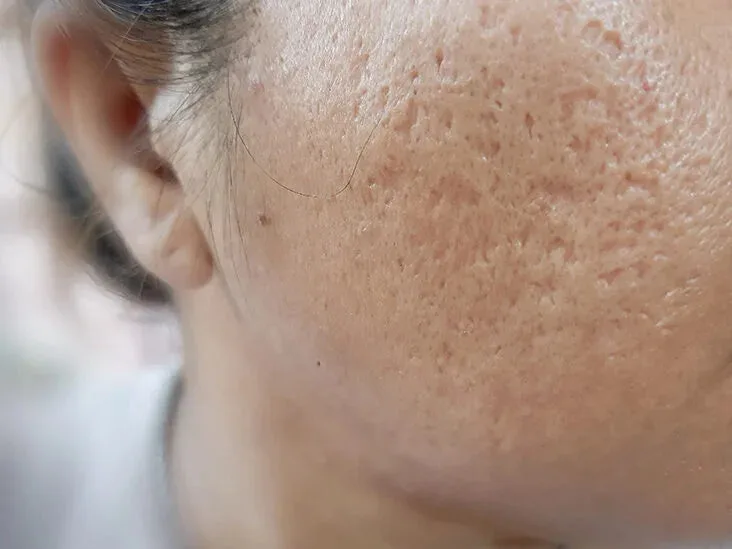
Acne scars result from damage to the skin due to severe acne, which can penetrate deeply, causing tissue damage and scarring. The body's natural process can lead to scar tissue, often appearing as raised bumps or depressions on the skin's surface.
These scars can significantly impact self-esteem and confidence, sometimes leading to anxiety and stress. Addressing the issue can help you regain confidence and feel more comfortable in your own skin.
Are there different types of acne scars?
>> Atrophic scars
Atrophic scars occur when the skin fails to regenerate new tissue after inflammation or damage. They appear as depressions in the skin and can be deep or shallow. Atrophic scars are further categorized into ice pick, boxcar, and rolling scars based on shape and depth.
>> Hypertrophic scars
Hypertrophic scars are raised scars resulting from excess collagen during the natural process. They appear as thick, raised areas of skin and can be pink or red.
>> Keloid scars
Keloid scars also result from excess collagen but extend beyond the original injury boundary. They appear as thick, raised areas of skin and can be darker than the surrounding skin.
What causes acne scars?
- Inflammation can damage the skin's surface and tissue, resulting in scarring.
- Severity of acne increases the likelihood of scarring.
- Picking pimples can increase inflammation and damage the skin.
- Genetics can make some individuals more prone to acne.
- Delayed care can leave more scars.
- Sun exposure can darken scars, making them more noticeable.
- Skin type can influence the development of post-inflammatory pigmentation.
Acne Scars Treatments (At home Topicals)
Try at-home topical applications:
>> Retinoids; products like Tretinoin can promote cell turnover.
>> Alpha-hydroxy acids (AHA’s); glycolic acid helps improve skin texture.
>> Beta-hydroxy acids (BHA’s); salicylic acid can unclog pores.
>> Vitamin C; promotes collagen production.
>> Niacinamide; promotes collagen production.
>> Silicone gel; helps hydrate the skin.
>> Hydroquinone; can lighten dark scars.
>> Lipid-based scar solutions; such as Scarderma Pro.
Remember, some topical applications may not suit everyone and can cause irritation. Start with a low concentration and gradually increase if your skin tolerates it. Always use a high-factor sunscreen daily, especially when using retinol/retinoid applications.
Professional salon treatments;
Professional treatments offer advanced options for improving scars:
· Chemical peels; use acids to exfoliate and promote new cell production.
· Microdermabrasion; exfoliates the skin to improve appearance.
· Micro needling; promotes new cell production.
· Laser therapy; targets damaged tissue to promote collagen production.
· Dermal fillers; fill in depressed scars.
· PRP therapy; uses the patient's plasma to treat marks.
These treatments should be carried out in reputable salons. Multiple sessions may be required, so consult a professional to determine the best options for your skin type.
Home Remedies;
While salon treatments can be effective, they can be costly. Here are some at-home remedies:
· Aloe vera; can help reduce the appearance of scars.
· Lemon juice; contains natural AHA’s to exfoliate the skin.
· Honey; can help with surface-level improvement.
· Apple cider vinegar; helps exfoliate.
· Turmeric; can help with surface-level improvement.
· Green tea; promotes cell turnover.
· Natural lipid-based solutions; like Skinderma Pro.
Home remedies may not provide the same level of results as professional treatments and may not suit all skin types. Try a patch test first.
Can acne scars be completely removed/healed?
While many effective options exist, no option guarantees complete removal. It's important to have realistic expectations and understand that improvements may take time. The goal is to improve appearance and boost confidence, not perfection.
With the right approach and patience, you can achieve a glowing complexion. Consult with a professional to explore the best options for your skin.
Daily Care Protocol with ScarDerma
Incorporate ScarDerma into your routine to enhance the appearance of acne scars.
- Step 1. Cleanse your skin with a gentle cleanser.
- Step 2. Apply ScarDerma to the affected areas.
- Step 3. Use a high-factor sunscreen daily.
Educational only — not a diagnosis or medical advice. Consult a qualified professional for clinical concerns.
How to Improve Acne Scars
- Identify scar type. Determine if scars are atrophic, hypertrophic, or keloid.
- Select treatment. Choose an appropriate topical or professional option.
- Consult a professional. Seek advice for personalized care.
Frequently Asked Questions
What are the main types of acne scars?
Acne scars can be atrophic, hypertrophic, or keloid, each with distinct characteristics.
Can home remedies improve acne scars?
Yes, home remedies can help improve the appearance of acne scars, but results may vary.
Is professional treatment necessary for acne scars?
Professional treatments can offer more advanced options, but they are not always necessary for everyone.