Crow’s Feet: What They Are and How to Treat Them
Last updated: 2026-06-25
Crow's feet — those fine lines that fan from the outer corners of your eyes — are one of the first signs of ageing most people notice, because the skin there is some of the thinnest and most expressive on the face. They're entirely normal. But if you'd rather soften them, here's what actually causes them and what genuinely helps.
What are crow's feet?
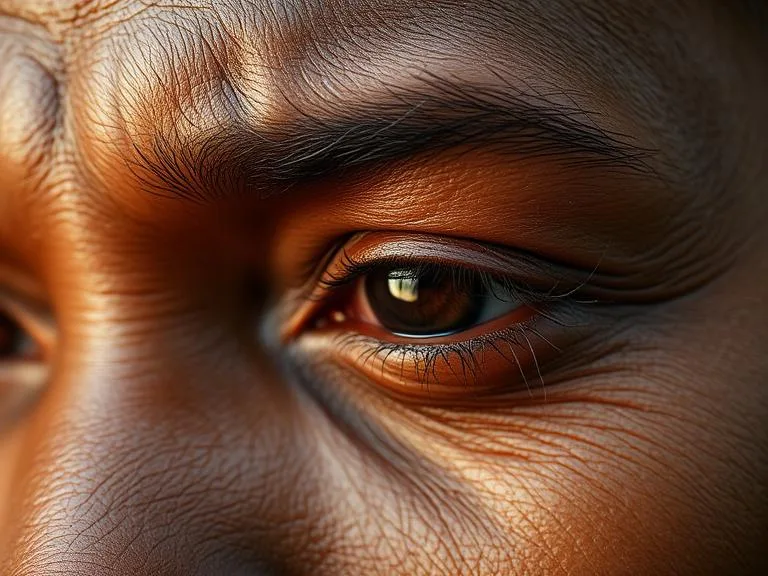
Crow's feet are the fine lines and wrinkles that radiate outward from the outer eye corners. The skin around the eyes is thin and has fewer oil glands, so it shows expression lines and dryness sooner than the rest of the face — which is why this area is usually where fine lines appear first.
Why this skin creases differently
The lines fan out in that particular pattern because of one specific muscle: the orbicularis oculi, the ring of muscle that circles each eye and contracts every time you blink, squint or smile. It sits directly beneath skin that's already thin, low in oil glands and largely without the cushioning fat layer found elsewhere on the face — so each contraction folds the surface along the same handful of lines rather than spreading the movement out, and those folds set in sooner than lines anywhere else. Bright light and screen glare that make you squint more often speed this up, which is one more reason sunglasses do double duty: blocking UV and cutting down on the squint that creates the fold in the first place.
What causes them?
- Natural ageing. Skin gradually loses collagen and elastin, so it creases more easily and recovers more slowly.
- Repeated expressions. Squinting, smiling and laughing fold the skin in the same places thousands of times.
- Sun exposure. UV accelerates the breakdown of collagen and elastin — the biggest controllable factor by far.
- Smoking. Speeds skin ageing and deepens lines.
- Dryness. Dehydrated skin makes fine lines look more pronounced.
How to prevent and soften their appearance
You can't undo ageing, but consistent habits make a visible difference:
- Wear sunscreen and sunglasses daily. The most effective anti-ageing step there is — it prevents the UV damage that drives crow's feet.
- Use a proven topical. Retinoids and the gentler plant alternative bakuchiol are well-studied for improving the look of fine lines; peptides and antioxidants support a smoother appearance.
- Keep skin hydrated. Well-moisturised skin makes lines less obvious.
- Sleep and eat well. Rest and a diet rich in antioxidants, vitamins and omega-3s support healthy-looking skin.
📋 Please note: SD7 Lipid Serum is a cosmetic serum that supports the appearance of smoother, plumper-looking skin. It is not a medical treatment and does not alter the structure of the skin; results described are cosmetic and from customer feedback.
Where SD7 Lipid Serum fits
For the eye area specifically, SD7 Lipid Serum is worth a look because it's anhydrous — with no water to evaporate, it stays put on skin that's thin and constantly moving rather than drying down in minutes, and its lead active, bakuchiol, is studied for retinol-like smoothing without retinol's irritation. In a customer survey, 93% reported smoother-looking fine lines and texture within 45 days, and it carries a 4.89/5 rating from 35 verified buyers and a 90-day money-back guarantee.
To use it around crow's feet specifically: cleanse, pat a couple of drops along the orbital bone (avoiding the lash line and inner corner), let it absorb, then layer moisturiser and — every morning, without exception — sunscreen, since UV exposure is the single biggest driver of this particular line.
Professional options for deeper lines
If you want more dramatic results than topicals give, these in-clinic treatments are the established options (always via a qualified practitioner):
- Botox. Relaxes the muscle that creases the skin at the eye corners; results typically last 3–4 months, sometimes longer. The most popular crow's-feet treatment.
- Dermal fillers (hyaluronic acid). Add volume to soften deeper lines; results last several months.
- Laser resurfacing. Stimulates renewal and improves texture over a series.
- Chemical peels and microneedling. Exfoliate and renew the surface to soften fine lines over time.
Worth knowing before you book: because Botox works directly on the orbicularis oculi, it does the most for the "dynamic" lines that appear when you smile or squint — the ones that soften or vanish once your face is still. Lines that are still visible at rest are usually structural rather than purely muscular, and tend to need Botox paired with a filler or a resurfacing treatment rather than Botox alone — which is why practitioners often combine approaches instead of relying on one.
A dermatologist or aesthetic practitioner can advise what suits your skin and goals.
Frequently Asked Questions
What causes crow's feet?
A mix of natural ageing (loss of collagen and elastin), repeated squinting and smiling, UV exposure, smoking and dryness. Sun exposure is the biggest factor you can control.
Can you get rid of crow's feet naturally?
You can't erase them without clinical treatment, but daily sun protection, hydration and a proven topical (retinoids or bakuchiol) can soften their appearance and slow new ones. A serum like SD7 supports the look of smoother, plumper skin around the eyes.
Is bakuchiol good for crow's feet?
Bakuchiol is a plant-derived active that research suggests gives retinol-like improvements in the appearance of fine lines, with less irritation — useful for the sensitive eye area.
What's the most effective treatment for crow's feet?
For deeper lines, Botox is the most popular and effective option, often with fillers; topicals and good sun habits soften milder lines and help prevent new ones.