How Is Gum Disease Treated? Stages, Treatments & Daily Care
Last updated: 26 August 2026
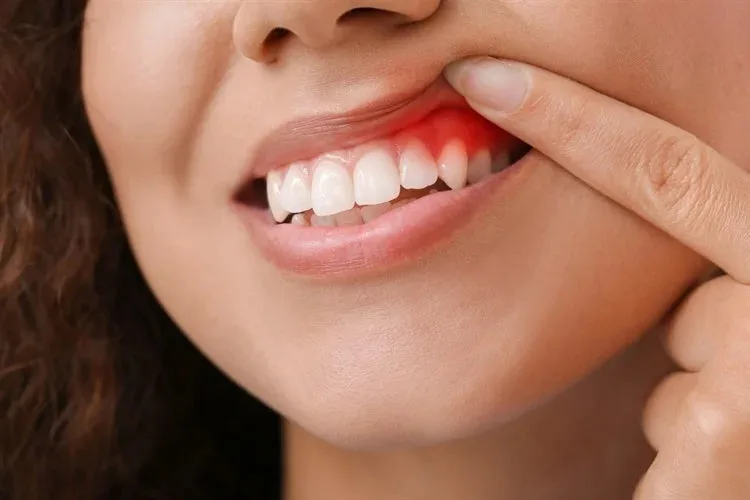
Gum disease is treated based on how far it has progressed. Caught early, it's often fully reversible; left to advance, it becomes manageable rather than curable — and it's common, with the CDC estimating that about 4 in 10 adults over 30 have some form of it (roughly half of men, and about a third of women). Below is what treatment looks like at each stage, what your dentist does, what you do at home, and where a lipid-based concentrate like Dental Pro 7 fits in.
The stages of gum disease — and how treatment changes
Gum disease (periodontal disease) is driven by plaque: a sticky film of bacteria that builds up at the gum line. As it progresses, treatment becomes more involved.
| Stage | What's happening | Typical treatment | Reversible? |
|---|---|---|---|
| Gingivitis | Red, swollen gums that bleed when brushing. No bone loss yet. | Improved daily cleaning + a professional scale and polish. | Yes — usually fully |
| Early periodontitis | Gums begin to pull away, forming deeper pockets; early bone involvement. | Scaling and root planing (deep cleaning below the gum line). | Manageable, not reversible |
| Advanced periodontitis | Deep pockets, significant bone loss, loose or shifting teeth. | Deep cleaning plus possible antibiotics or gum surgery, then maintenance. | Controllable with ongoing care |
What are the warning signs to act on?
Gum disease can be painless in its early stages, so the visible signs matter. The NHS advises seeing a dentist if you notice:
- Red, swollen, or tender gums
- Bleeding when you brush or floss
- Persistent bad breath or a bad taste
- Gums that look like they are receding
- Loose or shifting teeth, or a change in your bite
If you're only seeing the early, gum-edge signs, run the full self-check in our early gum disease guide — it covers the patterns that separate everyday irritation from something progressing.
How your dentist confirms the stage
Staging isn't guesswork — it's measurement. Your dentist or hygienist records a periodontal chart: a small probe measures the crevice between gum and tooth at several points around every tooth (healthy readings are shallow), alongside bleeding points, gum-line levels and any tooth mobility. Dental X-rays add the part you can't see — the supporting bone. Gingivitis shows no bone loss; periodontitis, by definition, involves some. Just as important is the trend: comparing today's numbers with your previous charts shows whether things are stable or drifting, which is why those number readouts at checkups matter more than they sound. The National Institute of Dental and Craniofacial Research has a good plain-language overview of how gum disease is diagnosed.
What professional treatments are used?
Scale and polish. For gingivitis, a hygienist removes plaque and hardened tartar that brushing can't shift, then polishes the teeth. Combined with better home care, this is often enough to return gums to health. The complete gingivitis playbook — causes, risk factors, and the daily routine that reverses it — is in our gingivitis treatment guide.
Scaling and root planing. For periodontitis, this "deep clean" removes plaque and tartar from below the gum line and smooths the tooth roots so gums can reattach and pockets can shrink. It's usually done under local anaesthetic over one or more visits.
Antibiotics. Where infection is active, your dentist may place an antibiotic gel into the pockets or prescribe a short course to reduce the bacterial load alongside cleaning.
Surgery. In advanced cases, procedures such as flap surgery (to access and clean deep pockets) or bone and tissue grafts (to rebuild lost support) may be recommended by a periodontist.
Maintenance therapy. After treatment, most people move to maintenance cleanings every three to four months to keep pockets stable and catch any relapse early.
What can you do at home?
Professional treatment only holds if home care keeps plaque under control between visits:
- Brush twice a day for two minutes with a soft brush, angling the bristles toward the gum line.
- Clean between your teeth daily with floss or interdental brushes — this is where gum disease usually starts.
- Don't rinse straight after brushing, so fluoride and active ingredients stay in contact longer.
- Stop smoking and limit frequent sugary snacks, both of which feed gum disease.
- Keep your maintenance appointments, even when your gums feel fine.
📋 Please note: Dental Pro 7 is a daily-care cosmetic concentrate intended to support the appearance of healthy-looking gums. It is not a medicine and is not a treatment for gum disease — see a dentist for diagnosis and treatment.
Daily Care Protocol with Dental Pro 7
As a finishing step after brushing and interdental cleaning, Dental Pro 7 is a professional-strength lipid concentrate that clings to the gum line where water-based products wash away — supporting visibly firmer, pinker, healthier-looking gums you can see and feel.
- Step 1. Brush and clean between your teeth as normal.
- Step 2. Apply a few drops of Dental Pro 7 along the gum line.
- Step 3. Spit — don't rinse. The anhydrous formula is designed to cling rather than wash away.
Rated 4.81/5 from 190 verified buyers · 90-day money-back guarantee. Cosmetic product — not a diagnosis or medical advice.
Frequently Asked Questions
Can gum disease be cured?
Gingivitis, the earliest stage, can usually be fully reversed with good cleaning and a professional scale and polish. Once it progresses to periodontitis, it can't be reversed, but it can be controlled and kept stable with treatment and ongoing maintenance.
Is gum disease the same as periodontal disease?
Yes — "periodontal disease" is simply the clinical name for gum disease. It covers the same condition in stages: gingivitis, the early gum-edge stage, and periodontitis, the advanced stage involving the deeper support around the teeth. Whichever term your dentist uses, they're describing where you sit on that spectrum, not a different diagnosis.
What are the first signs of gum disease?
Red, swollen gums that bleed when you brush, along with persistent bad breath. Because early gum disease is often painless, these visible signs are your main early warning.
Is scaling and root planing painful?
It's usually done under local anaesthetic, so you should feel little during treatment. Some tenderness or sensitivity for a few days afterwards is normal and settles quickly.
How can I prevent gum disease coming back?
Clean between your teeth daily, brush gently along the gum line twice a day, avoid tobacco, and keep your maintenance appointments. Consistent daily care is what prevents relapse.