How Long Does It Take for Red Gums to Go Away?
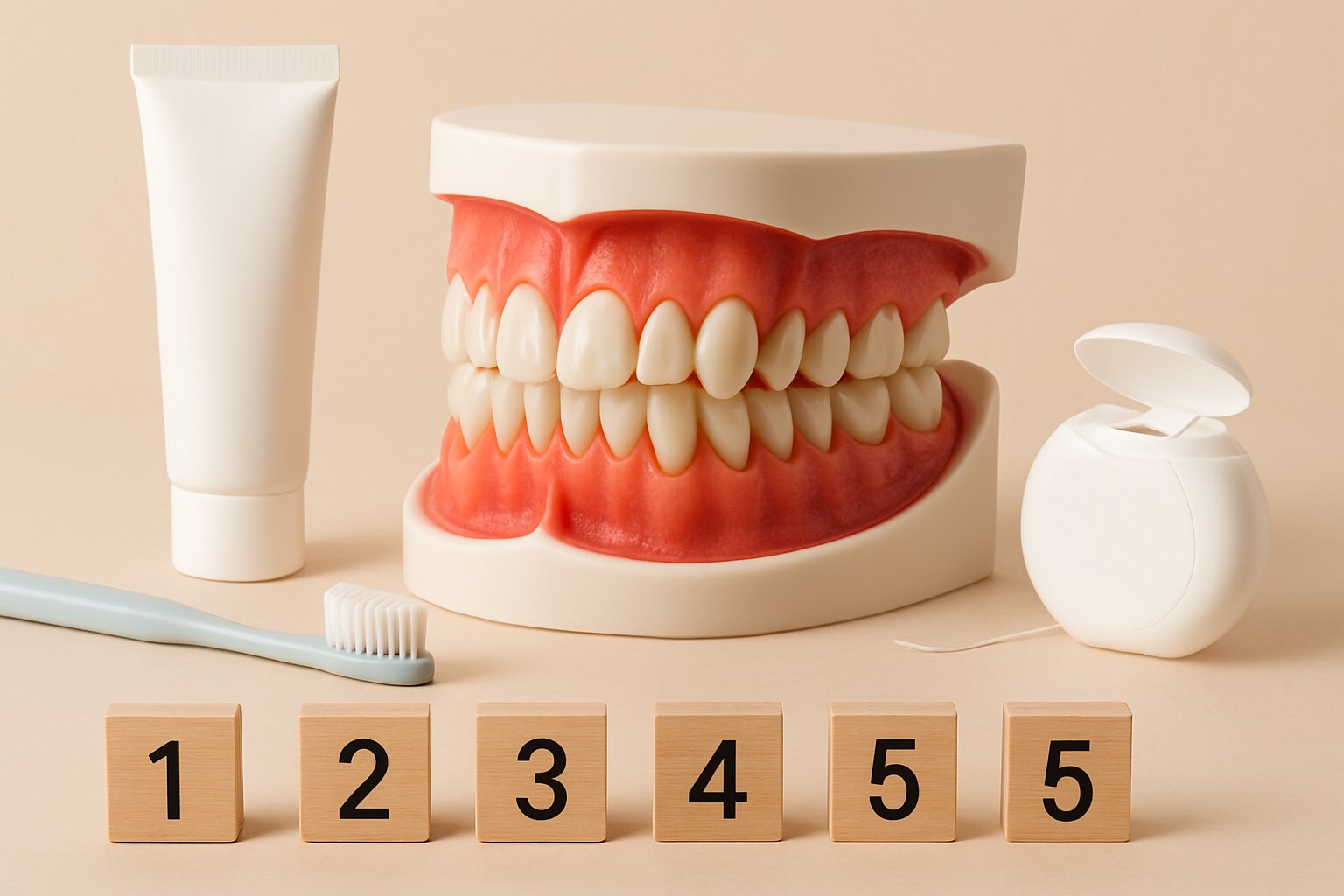
Quick Answer: How long does it take for red gums to go away? One-off irritation often settles in 24–72 hours once the cause is removed and cleaning is gentle but thorough. When plaque is the driver, expect 7–14 days of consistent brushing and interdental cleaning; more established cases can take 2–6 weeks and may benefit from a professional clean.
How long do red gums usually take to settle—and what actually changes the timeline?
Colour changes at the gumline follow a fairly predictable arc once you remove the cause and clean well every day. Short, mechanical irritation—like a new retainer edge rubbing or an overly hard brushing session—usually settles within 24–72 hours if you correct the irritant and keep the area tidy. Plaque-driven cases are slower: mild cases often need 7–14 days of careful daily cleaning; more established plaque can take 2–6 weeks, especially if there’s plaque trapped between teeth.
Some factors lengthen the journey. Hormonal shifts, mouth-breathing, dry mouth, vaping, and certain medicines make plaque harder to control, so progress is slower even when you’re doing your best. In my practice, I’ve seen great routines appear to “stall” until we addressed these modifiers. Once we do, the same home care suddenly works better and the gums settle on a normal timetable.
Finally, broader health links matter. A 2018 clinical report connected eradication of Helicobacter pylori with complete resolution of stubborn bleeding that hadn’t improved otherwise (PMID 29869386). When an underlying factor is managed, the gumline often follows the same hygiene-driven path you’d expect—just a bit delayed. [1]
| Main cause/modifier | Likely timeline to settle | Key home actions | Helpful professional steps | When to escalate |
|---|---|---|---|---|
| Mechanical irritation (hard brushing, sharp edge) | 24–72 hours once the irritant is removed | Switch to a soft brush; gentle 45° angle at gumline | Smooth sharp edges; adjust appliances | If no change after 3–4 days |
| Mild plaque along the gumline | 7–14 days with consistent routine | Brush 2×/day + daily interdental cleaning; consider supportive rinse | Coaching on technique; scale/polish if needed | If little change after 14 days |
| More established plaque (missed areas between teeth) | 2–6 weeks, often faster after a professional clean | Dial in interdental brush sizes; track hot spots | Thorough cleaning; recontour overhangs | If puffy edges persist beyond 6 weeks |
| Hormonal/dry mouth/mouth-breathing modifiers | Longer arc; steady gains with tailored routine | Water between meals; saliva support; nasal-breathing focus | Dry mouth strategies; appliance/nasal advice | If progress stalls despite good care |
| Systemic links (e.g., H. pylori, metabolic issues) | Improvement follows once addressed; then usual timeline | Excellent daily hygiene; keep dental/medical follow-up | Coordinate with GP; tailored dental plan | Lingering issues after medical management |
What usually causes red gums?
The most common reason is plaque—a sticky biofilm that collects at the gumline and between teeth. It loves the tiny ledge where gum meets tooth and the dips between teeth. Miss a few zones for a few days and the gum margin often looks puffy and deeper in colour there first. Brushing the flat tooth surfaces well won’t fix it if the gumline itself is skipped.
Other triggers include mechanical irritation (overly firm brushing, snapping floss, a sharp crisp edge, a rough filling or new orthodontic aligner). Hormonal shifts, stress, mouth-breathing, low saliva flow, and frequent snacking on sugars/starches all make plaque more impactful. Certain health conditions and prescriptions can also change how your gums respond to plaque, stretching the timeline for things to settle. For basics on gum health, see the NHS overview (NHS) and the ADA’s public guide (MouthHealthy).
What signs should I watch for besides colour changes?
Colour is only one clue. Look closely at the edges. If the gum looks puffy or rolled, has a glossy sheen, or the margin looks more prominent or uneven, plaque is often sitting nearby. Toothbrushes or interdental brushes picking up a metallic taste, or seeing pink on bristles when you clean, are common early warning signs that you’re reaching areas that have been missed.
Pay attention to breath and tongue coating too. A stubborn coating on the tongue, or breath that turns quickly after cleaning, often points to plaque retention. Sensitivity at the necks of teeth—especially to cold air or sweet foods—can also tag plaque hotspots along the gumline. If you’re unsure whether your gumline is receding as well, our guide may help: What Causes Receding Gums, and How to Stop It?
What can I do at home right now—and what really helps?
Your routine is the engine that moves the timeline. The key is not more force, but better access: reach the gumline and the tight areas between teeth in a calm, repeatable sequence twice a day.
- Angle matters: Place a soft, compact brush at about 45° to the gumline. Use short strokes along the margin. Two minutes, twice daily.
- Clean between teeth daily: Interdental brushes are best for most spaces. Use tape-style floss for tight contacts. A threader helps around bridges and wires.
- Finish smart: If your dentist suggests a mouthrinse, use it as directed. Rinses support your routine but never replace brushing and interdental cleaning.
- Fresh-breath focus: Gently scrape your tongue. This, plus daily cleaning between teeth, helps neutralise odour-causing impurities.
- Diet rhythm: Keep sugary foods to mealtimes. Water between meals supports saliva flow and makes plaque easier to disrupt.
When should I see a dentist, and what professional care options are used?
If careful home care for 10–14 days hasn’t brought obvious improvement, it’s time for a check. Equally, book in sooner if the gum margin’s shape changes, breath remains unpleasant, or you spot rough edges, overhangs, or an appliance that’s rubbing. These are often quick wins once identified.
Your dental team will tailor a plan: a detailed clean, coaching on the exact brush angle and interdental sizes for your mouth, and small adjustments to any rough edges or overhanging fillings that trap plaque. Where appropriate, short-term prescribing can be considered; UK readers should note prescribing choices weigh wider health implications and individual risk–benefit (see Li et al., 2025; PMID 41410042).
When to see a professional
If gum colour hasn’t settled within two weeks of consistent home care, if breath remains unpleasant, if gum edges look more prominent or uneven, or if you notice sensitivity rising at the necks of teeth, book a dental appointment. Go promptly if pain wakes you at night, you have facial swelling, or a broken filling is catching the gum.
How do lifestyle, stress, and medical conditions affect recovery time?
Stress changes routines. People snack more, rush brushing, skip the floss, or clench and mouth-breathe at night. Each delay lets plaque sit longer at the gumline, stretching timelines. Building a fixed ritual—same time every morning and evening—often brings visible improvement back within 1–2 weeks.
Dry mouth, from medicines, vaping, or dehydration, slows progress by making plaque cling more. Increase water intake, keep sugar to mealtimes, and ask your dentist about saliva support strategies. Some cases link to broader health: a case report connected clearing Helicobacter pylori with complete resolution of stubborn gum bleeding (Ramadan 2018; PMID 29869386). When the underlying issue is managed, your normal home care tends to work much faster.
Sleep and nasal breathing count too. If you wake with a dry mouth or notice mouth-breathing, mention it. Simple steps—from positional tweaks to medical or dental input—can help the gum margin look cleaner and more defined sooner.
Do mouthrinses and new technologies help—and what’s the evidence?
Rinses are supportive—not a replacement for the brush and interdental tools. That said, they can help your routine. A 2025 systematic review and meta-analysis reported that essential‑aromatic mouthrinses improved plaque and gingivitis measures versus control in clinical studies (van Swaaij et al., PMID 39133629). As always, balance benefits with potential downsides (aftertaste, temporary staining with certain actives) and follow your dentist’s advice. [2]
Different rinses change the mouth’s bacterial profile in different ways. Early proof-of-principle work suggests chlorhexidine, hydrogen peroxide, and essential‑aromatic mouthrinses cause distinct shifts in the oral microbiome (He et al., 2025; PMID 41498506). Choice depends on your goals, tolerance, and how well you can fold a rinse into your daily rhythm.
On the research horizon, lab and animal studies of enzyme-cascade nanogels show promise for gum care in controlled settings (Zheng et al., 2025; PMID 40407260). This is not everyday clinical care yet, but it points to future tools that may complement solid hygiene and professional input. [3]
What does a realistic week-by-week plan look like for mild vs. moderate cases?
Days 1–3: If you suspect simple mechanical irritation, switch to a soft brush and adjust your technique. Remove the irritant (e.g., smooth a sharp edge, adjust a retainer). Keep cleaning gently. You should see gradual settling within a couple of days.
Week 1–2 (plaque-driven cases): Make your routine non-negotiable: soft brush angled at 45° along the gumline, two minutes twice daily, and daily interdental cleaning. Add a supportive rinse if advised. Track a few “hot spots” in a mirror. Most mild cases show clear improvement across this period.
Week 3–6 (stubborn plaque or modifiers): If the margin still looks puffy or the colour hasn’t normalised by the end of week 2, book a professional clean. Expect further progress over the next 2–4 weeks as you combine precise home technique with a smoother tooth surface. If things still lag beyond six weeks, consider whether dry mouth, mouth-breathing, hormones, or a medical link is at play and ask for coordinated input with your GP. For wider health reading, see our overview on mouth–heart links: Does Gum Disease Lead to Heart Disease?
Frequently Asked Questions
Can red gums go away on their own if I brush more carefully?
Often, yes—if plaque is the main driver and you improve cleaning at the gumline twice daily, many people see visible improvement in 7–14 days. If there’s a sharp edge, a new appliance rubbing, mouth-breathing, or medical factors at play, you may need a fix or tailored guidance for progress.
How long should I try home care before booking a dental appointment?
If you’ve been thorough (soft brush angled to the gumline, daily interdental cleaning, and a supportive rinse if advised) for 10–14 days with little change, book in. Go sooner if you notice gumline shape changes, tooth sensitivity increasing, or breath that stays unpleasant.
Which is better for red gums: chlorhexidine or essential‑aromatic mouthrinse?
Both have evidence. Essential‑aromatic rinses improved clinical plaque and gingivitis measures versus control in a 2025 meta-analysis (van Swaaij et al., PMID 39133629). Chlorhexidine is effective but usually used short term. Your dentist will weigh goals, side effects, and your routine. Rinses support good brushing and interdental cleaning—they don’t replace them.
Why are my gums still red even after a professional clean?
Two common reasons: home technique still misses key spots, or there’s a modifier like mouth-breathing, dry mouth, hormones, or a medical link. In some cases, underlying issues such as Helicobacter pylori have been tied to lingering bleeding until addressed (Ramadan 2018, PMID 29869386). Your dentist can help map the next steps.
Can stress or poor sleep really make my gums look worse?
Yes—stress and poor sleep can disrupt routines, increase snacking, and lead to clenching or mouth-breathing. All make plaque control harder. A fixed morning/evening care ritual and small habit tweaks (water between meals, tongue cleaning) often restore momentum within a couple of weeks.
Do vitamins or diet changes speed up the recovery of red gums?
A balanced diet that supports saliva flow (regular meals, fewer sugar hits) helps your daily cleaning work better. Specific supplements aren’t a shortcut for plaque control. If you have dietary concerns or dry mouth, speak with your dentist or GP for tailored advice.
In my experience, the biggest turnaround comes from two small wins: mastering the brush angle at the gumline and finding the right sizes of interdental brushes for each gap. When those click, timelines shorten, breath stays fresher, and the gumline looks cleaner and more defined within a couple of weeks.
| Metric | Finding | Source |
|---|---|---|
| Gum disease prevalence (US adults) | 47.2% | CDC, 2024 |
| Adults with severe periodontitis | 9.0% | CDC, 2024 |
| Link to systemic health | Established association | NEJM, 2017 |