Is Dry Skin Itchy?
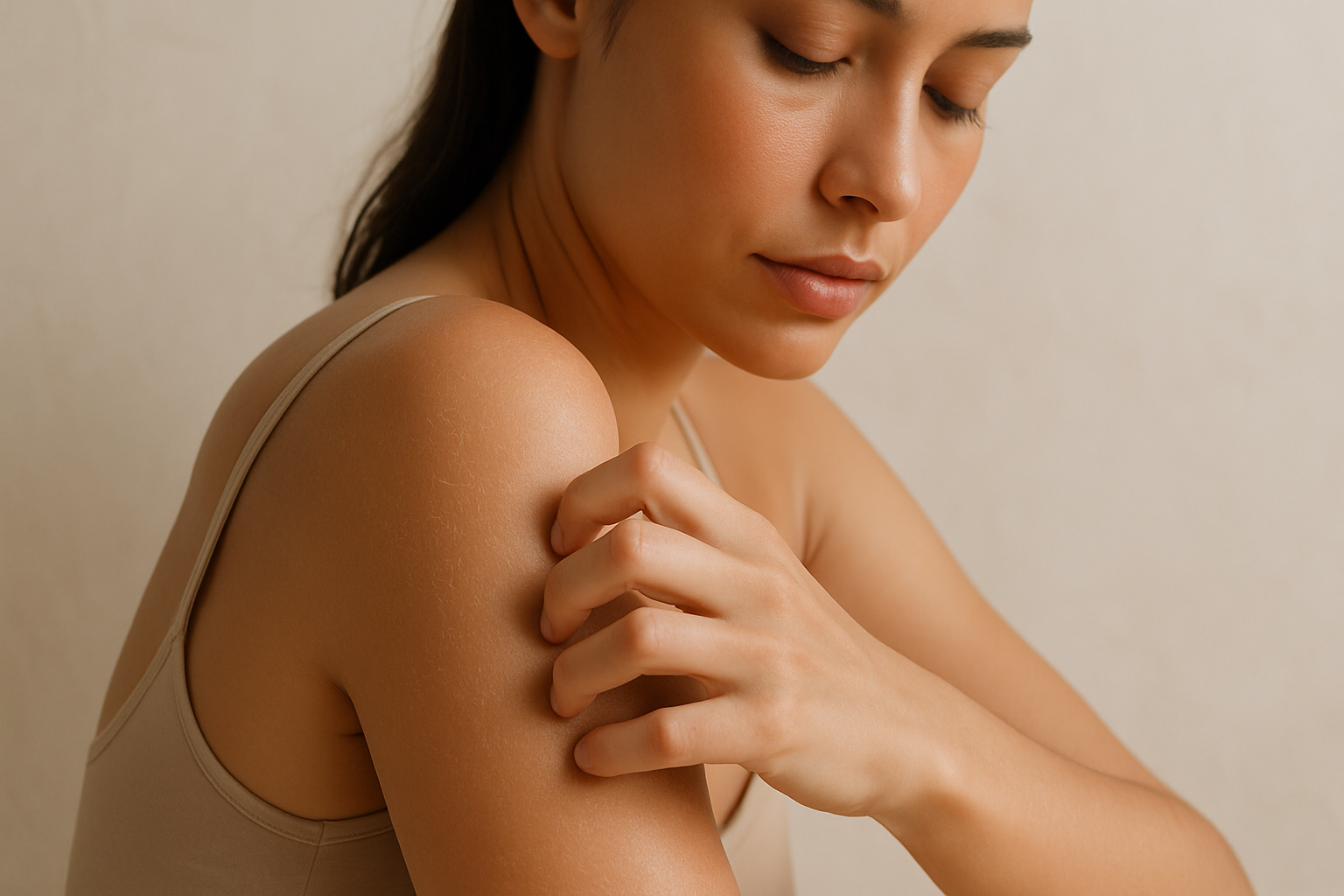
Dry, tight skin often feels itchy because the surface becomes rougher and more reactive. The good news: you can change that daily. In fact, dermatology groups consistently advise moisturizing within three minutes after bathing—this quick post-wash step is the single most noticeable change most people can make for comfort.
Could plain dryness be the real reason I’m so itchy?
Yes, plain old dryness is one of the most common drivers of itch, especially in low‑humidity months and with frequent handwashing or long, hot showers. If your skin feels tight, looks flaky, and the itch eases right after you moisturize, dryness is a strong suspect.
Look at timing and triggers: does the itch flare after bathing, heater exposure, or lots of hand sanitizer? Does it calm down after you apply a richer, fragrance‑free moisturizer? Those patterns point to dryness. If itch persists despite two weeks of diligent care or disturbs your sleep, it’s worth an evaluation to rule out other causes.
For a plain‑English overview of dry skin and comfort strategies, see the American Academy of Dermatology’s guidance (AAD) and the NHS page on itch (NHS). Hand hygiene is essential, but frequent washing can add to dryness—see practical tips from the CDC on gentle handwashing (CDC).
78% of Inner Circle subscribers maintained their regimen for 6+ months Source: Inner Circle subscribers with recorded billing cycle count (2024–2025)
What changes inside skin turn dryness into itch?
When the surface barrier is depleted of water and key lipids, water escapes more quickly and the top layer becomes uneven. That roughness makes everyday friction—from clothing, heat, or even sweat—feel sharper than it should.
Nerve endings near the surface also become more reactive on very dry skin, so small cues can be read as itch. Scratching offers a split‑second distraction but roughs up the surface further, setting up a loop: more dryness → more reactivity → more scratching.
Two practical mindset shifts help: first, assume comfort responds to consistency, not force. Gentle, repeated steps (short showers, immediate moisturizing) work better than scrubbing or long soaks. Second, swap nails for tools that don’t abrade—press with a soft cloth or apply a brief cool compress. Cotton sleep gloves can also stop unintentional nighttime scratching.
How do I interrupt the scratch cycle without aggravating dryness?
Think “short, gentle, seal.” Shorten water exposure, be gentle with cleansing, and seal in water quickly. In my experience, the people who make the fastest progress cut shower time and moisturize within three minutes, every time, morning or night.
- Keep showers to 5–10 minutes, lukewarm—not hot. Hot water lifts away surface lipids fast.
- Cleanse only where needed. Use a mild, fragrance‑free cleanser on underarms, groin, feet, and visibly soiled spots.
- Pat, don’t rub, with the towel.
- Moisturize head‑to‑toe within three minutes of stepping out. This traps water at the surface and smooths the feel of skin.
- Choose a high‑slip, fragrance‑free moisturizer morning and night. Reapply to “hot spots” during the day.
- Keep nails short. When the urge to scratch hits, press with a soft cloth or use a brief cool compress instead.
Nighttime tweaks help, too: keep the bedroom cool, use breathable bedding, and consider cotton sleepwear that doesn’t snag. A bedside moisturizer makes mid‑night top‑ups easy if tightness wakes you. After swimming, rinse well and apply your moisturizer within three minutes to offset the drying feel of pool or sea water.
If you enjoy a facial routine, you can also slot in a lipid‑based facial serum for extra slip and comfort. A supportive option is our SD7 Lipid Serum, which layers easily under a richer cream without a heavy feel.
Which ingredients help dry, itchy skin—and how should I layer them?
Build a simple two‑step core: a water‑binder first, then a barrier sealer. Humectants such as glycerin, hyaluronic acid, sodium PCA, and urea “hold on” to water at the surface. Barrier‑supporting lipids—ceramides, cholesterol, and fatty acids—plus plant butters create a comfortable seal that slows water loss.
Dimethicone and petrolatum are classic comfort enhancers that minimize friction and help keep water from escaping. For facial routines, lightweight lipids such as squalane and phytosterols add glide without a waxy finish. If your skin is reactive, start fragrance‑free and dye‑free, then expand once you’re comfortable.
For comfort extras, many people like colloidal oatmeal, panthenol, and centella for that “ahh” feel. Always patch test new additions. If you use exfoliants like lactic acid, keep frequency low and buffer with a richer moisturizer so you don’t over‑dry already reactive skin. Sunscreen matters as well—UV exposure can increase surface roughness—so pick a gentle, fragrance‑free option that you tolerate and apply consistently.
| Approach | Best moment | What it includes | Pros | Watch‑outs |
|---|---|---|---|---|
| Humectant first, lipid cream second | Within 3 minutes post‑shower | Glycerin or hyaluronic acid under a ceramide‑rich cream | Maximizes water held at the surface, smooth glide, great daily base | Use a generous second layer in very dry climates |
| Humectant, then balm “sandwich” | Nighttime or cold/windy days | Humectant, then cream, topped with a thin balm | Stronger seal for tight, flaky zones; reduces overnight water loss | Can feel heavy; keep balm layer thin |
| Lipid serum between steps | Daily facial routine | Lipid‑based facial serum between humectant and cream | Adds slip and comfort without a waxy feel | Patch test if you’re reactive |
| Exfoliant buffered by cream | 1–2× weekly, only if needed | Low‑strength lactic acid, followed by a rich cream | Smooths rough flakes that can snag and itch | Overuse can worsen dryness—keep it occasional |
On the face, a lipid‑based facial serum such as SD7 Lipid Serum can sit between a humectant step and your moisturizer for a flexible, comforting layer.
When might “dry, itchy skin” actually be eczema, psoriasis, or contact reactions?
Well‑defined, rough or silvery plaques; persistent rash in skin folds; or oozing/cracking suggest something beyond simple dryness. Sudden itch after a new skincare item, fragrance, or detergent can point to contact reactivity—pause the suspected item and simplify.
Widespread itch without clear skin changes can be related to internal factors. If the itch is intense, lasts beyond two weeks despite careful routine changes, or disturbs sleep, get personalized guidance. The NHS also lists red flags and next steps for itch (NHS).
Should I tweak my shower, laundry, and home setup to cut down on itch?
Yes. Small environmental switches reduce friction and keep more water at the surface. Limit showers to 5–10 minutes, choose gentle cleansers, and avoid very hot water. Rinse after swimming, then moisturize promptly to counter the drying feel of pool or sea water.
- Switch to fragrance‑free, dye‑free laundry products; skip fabric softeners on items that sit close to skin.
- Aim for indoor humidity around 40–50% in dry seasons if you can. Layer breathable, non‑scratchy fabrics.
- Keep a travel‑size moisturizer with you for top‑ups after handwashing or sanitizer use.
- If your tap water is very hard, try a gentle cleanser with chelating agents and follow with a richer moisturizer. A shower filter can improve feel for some households.
- After outdoor workouts, do a quick lukewarm rinse to remove sweat and dust, then moisturize within three minutes.
Can the skin’s microbiome influence dryness‑related itch?
There’s growing interest in how the skin’s surface ecosystem relates to comfort. When the barrier is parched and rough, the mix of surface organisms can shift. Gentle cleansing and regular moisturizing help maintain a calmer environment.
Researchers are also examining how certain fatty acids may support a healthier surface balance and discourage unwanted biofilms (PMID 41594095). In parallel, new carriers and vesicles are being explored to improve cosmetic skin delivery of actives while keeping routines comfortable (PMID 39761139; PMID 41127992). These are promising areas of study, but your daily basics—short showers and fast moisturizing—remain the biggest levers. [1]
When is it time to see a clinician about itch that seems like dryness?
Seek care if itch lasts more than two weeks despite routine changes, if you notice yellow crusts, widespread redness, or pain, or if over‑the‑counter care isn’t helping. If you’re pregnant, have long‑term conditions, or started a new medication and developed persistent itch, get tailored advice.
When to see a professional
- Itch wakes you at night or limits daily activities.
- You see oozing, cracking, or well‑defined plaques in typical sites (like the creases).
- There’s sudden, intense itch after a new product or detergent—pause it and seek guidance.
- Widespread itch without obvious skin changes.
Frequently Asked Questions
Is dry skin the main cause of my winter itch?
Often, yes—low humidity and indoor heating make water evaporate faster. Short, lukewarm showers and moisturizing within three minutes after bathing usually help quickly. If not, or if sleep is disrupted, see a clinician.
Why does my skin still itch after I moisturize?
You may be applying to fully dry skin or using a very light lotion. Apply while skin is slightly damp, layer a humectant under a ceramide‑rich cream, and reapply to hot spots during the day.
What’s the best way to layer humectants and ceramides for itch comfort?
On slightly damp skin, start with a humectant, then seal with a ceramide‑cholesterol‑fatty acid cream. On the face, a lipid‑based facial serum can sit between those steps for extra slip.
Can hot showers or hard water make itchy dryness worse?
Yes. Very hot water strips surface lipids quickly; hard water residue can feel uncomfortable. Keep showers brief and lukewarm, use a gentle cleanser, and moisturize promptly.
How do I tell dryness‑related itch from eczema?
Dryness tends to feel tight and flaky and improves with routine adjustments. Eczema can show well‑defined rough patches in the folds and may ooze or crack. When in doubt, see a professional.
Do fragrances in skincare or detergent make dryness‑related itch more likely?
They can on already reactive skin. Try fragrance‑free, dye‑free options while you reset your routine, then reintroduce selectively if desired.
One last reminder from practice: the small, consistent choices add up. Keep the water lukewarm, moisturize within three minutes—every time—and let a simple, steady routine carry most of the load. That’s how you stop chasing itch and start feeling comfortable again.
More articles from Ideology Skincare →