Understanding the Causes of Canker Sores and the Role of SLS
Last updated: 2026-06-25
Canker sores are one of the most common — and most frustrating — minor mouth problems. They're not contagious, they're not the same as cold sores (which are viral and appear on the lips), and they almost always heal by themselves. But if you get them again and again, it's worth understanding what's actually driving them, because a few of the triggers are within your control.
What canker sores actually are
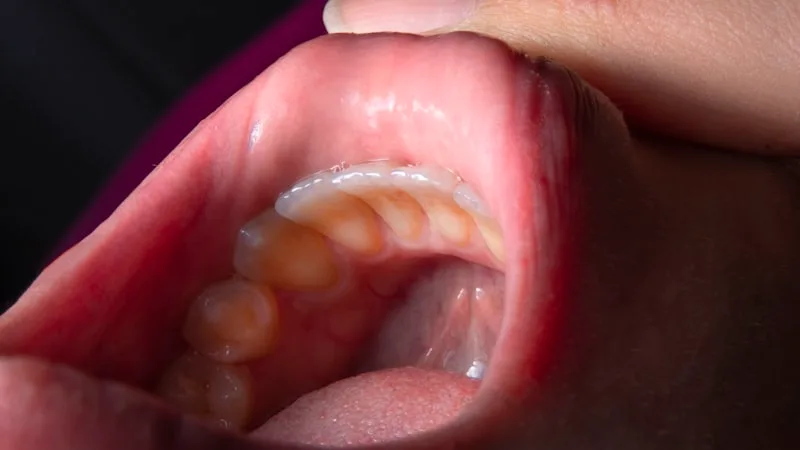
A canker sore (the clinical name is recurrent aphthous stomatitis) is a small, round ulcer with a white or yellowish centre and a red border, on the soft tissue inside the mouth — the inner cheeks, lips, tongue or floor of the mouth. The underlying mechanism is immune-mediated: the immune system briefly over-reacts and damages a patch of the mouth's lining. Think of it as an alarm system that occasionally trips when it shouldn't. What sets off that alarm varies from person to person.
The common triggers
- Minor injury. A bite, a hard toothbrush, braces, or a sharp tooth can be enough to start one.
- Stress and lack of sleep. A well-recognised aggravator — many people notice ulcers cluster around stressful periods.
- Nutritional gaps. Low vitamin B12, folate, iron, or zinc are linked to more frequent ulcers, because these nutrients help maintain the mouth's lining.
- Trigger foods. Acidic or spicy foods (citrus, tomatoes, vinegar) and sometimes chocolate, coffee, or certain nuts can set them off or sting an existing one.
- Hormonal changes. Some people get them in a predictable monthly pattern.
- Genetics. If canker sores run in your family, you're more likely to get them — inherited differences in immune response play a role.
- SLS in toothpaste. The foaming detergent sodium lauryl sulfate is a trigger for some people (more below).
The SLS connection — what the research suggests
One trigger you can test easily is your toothpaste. Sodium lauryl sulfate (SLS) is the detergent that makes toothpaste foam, and it's thought to disrupt the thin protective layer of the mouth's lining in susceptible people, leaving the tissue more exposed. The evidence here is genuinely worth knowing: a systematic review concluded that SLS-free toothpaste may reduce how often canker sores occur in people who get them (Alli BY et al., J Oral Pathol Med, 2019), and a randomised controlled trial similarly reported fewer ulcers when participants switched to an SLS-free paste (Shim YJ et al., Oral Dis, 2012).
It's not universal — plenty of people use SLS toothpaste with no issue — but because switching costs nothing in cleaning power (the foam doesn't clean; see our piece on foaming agents), a few weeks on an SLS-free routine is a low-risk experiment if you're a frequent sufferer.
How to soothe a canker sore
Most heal in 7–14 days without treatment, but you can take the edge off:
- Rinse with warm salt water a few times a day to soothe the area.
- Avoid your trigger foods while it heals — especially acidic and spicy ones.
- Use an over-the-counter gel or protective paste from the pharmacy to cover the ulcer and ease pain.
- Switch to a gentle, SLS-free routine if toothpaste seems to make things worse.
- Address the basics — sleep, stress, and a balanced diet with enough B12, folate, iron and zinc.
📋 Please note: Dental Pro 7 is a daily-care cosmetic concentrate. It is SLS-free, but it is not a treatment for canker sores or any condition, and is not a substitute for advice from a dentist or doctor.
If you're avoiding SLS
One simple way to go SLS-free is to use a detergent-free daily-care format. Dental Pro 7 is SLS-free and water-free — a lipid-based botanical concentrate used in place of toothpaste, with no foaming detergents. It's designed to support the look and feel of firmer, pinker, healthier-looking gums and fresher breath as part of daily care. Apply a few drops to your toothbrush, brush gently, then spit — don't rinse. Removing SLS from your routine won't cure ulcers, but for SLS-sensitive people it takes one possible trigger off the table.
When to see a dentist or doctor
Most canker sores need no medical attention. Get one checked if it's unusually large, lasts longer than two to three weeks, keeps coming back very frequently, is accompanied by a fever or feeling unwell, or if you're getting them alongside other symptoms — persistent or recurrent ulcers can occasionally signal a nutritional deficiency or an underlying condition worth investigating.
Frequently Asked Questions
What causes canker sores?
They're immune-mediated ulcers set off by triggers such as minor mouth injury, stress, certain foods, nutritional gaps (B12, folate, iron, zinc), hormonal changes, genetics, and — in some people — the toothpaste detergent SLS. The exact trigger varies between individuals.
Is SLS in toothpaste linked to canker sores?
Yes, in susceptible people. A systematic review and a randomised trial both found that switching to SLS-free toothpaste may reduce how often canker sores occur (Alli 2019; Shim 2012). It's not a universal trigger, but it's an easy one to test.
How long do canker sores take to heal?
Most heal on their own within one to two weeks. Salt-water rinses, avoiding acidic and spicy foods, and an over-the-counter protective gel can ease the discomfort meanwhile.
Are canker sores the same as cold sores?
No. Canker sores are non-contagious ulcers inside the mouth; cold sores are caused by a virus and appear on or around the lips. They look different and have different causes.
When should I see a dentist about canker sores?
See a professional if a sore is very large, lasts more than two to three weeks, recurs very frequently, or comes with fever or feeling unwell — these can point to a deficiency or an underlying condition.