What Does the Start of Receding Gums Look Like?
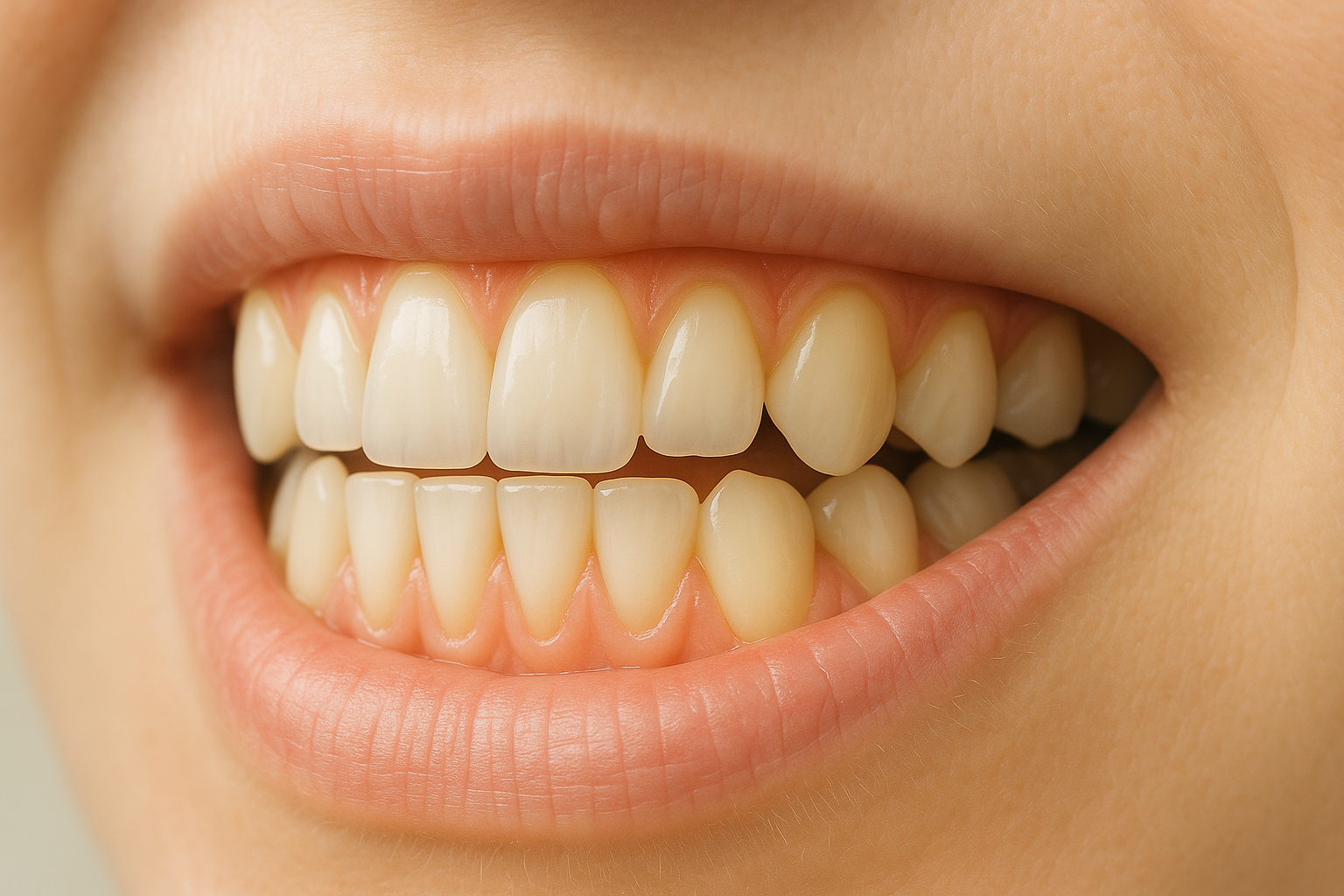
As a dentist, I’m often asked how to spot the earliest shift in the gum line before it becomes obvious. The truth is, those first visual cues are subtle—but once you know what to look for, you can track them at home with simple mirror checks and steady habits.
Below is a practical field‑guide to the first signs, along with safe at‑home tests and the everyday choices that speed change up—or slow it down. I’ll also explain when to book a professional review, what’s realistic to improve in appearance, and the myths I’d like you to retire for good.
What does the very start of receding gums look like?
The earliest change tends to be a softening of the sharply scalloped gum edge. Instead of that crisp, knife‑edge margin hugging the tooth, the curve looks slightly thinner or flatter—most often on the canines and premolars where gum tissue is naturally more delicate. At the same time, the tooth itself can look a touch longer, as if the collar of pink has slipped a millimeter.
Next, look closely at the neck of the tooth. Enamel has a glassy shine. The root surface (called cementum) is more satin. That difference in sheen creates a narrow, faint yellow or darker band near the gum line when root is starting to show. In my practice, this satin band—paired with a less crisp scallop—is the earliest visible cue I see during exams.
You may also spot a subtle color shift right at the margin: slightly redder or uneven tone compared with the rest of the gum, plus a tiny shadow where the gum used to sit. Sensitivity to cold water or sweet foods often shows up first at one small spot—again, commonly the canines or premolars.
| Feature | Healthy Margin | Subtle Early Change | Established Change |
|---|---|---|---|
| Gum edge shape | Crisp, scalloped, knife‑edge | Thinner, less scalloped on one or two teeth | Flattened edge across several teeth; clear pullback |
| Tooth length look | Balanced left–right | One tooth looks slightly longer than its match | Noticeably longer teeth, often with notches at the neck |
| Surface sheen at neck | Glassy enamel only | Narrow satin‑looking band (cementum) just visible | Broader root exposure; stain picks up more readily |
| Interdental papilla | Fills the space fully | Slightly shortened or blunted at one spot | Triangular ‘black spaces’ between several teeth |
| Sensitivity | None or minimal | Trigger at one small area (cold/sweet/brush) | Frequent triggers, larger area involved |
Why do gums begin to recede in the first place?
Two forces dominate early gum‑line change: biology and mechanics. Along the gum margin, biofilm (plaque) and calculus can irritate the area. If that sticky film isn’t disrupted regularly, the margin can gradually pull back. Classic and modern reports connect persistent bleeding with inadequate plaque control, a point discussed as far back as FRENCH (1952) and revisited in contemporary reviews (PMID: 13003755; PMID: 39133629; PMID: 41498506).
On the mechanical side, hard horizontal scrubbing, stiff‑bristled brushes, or abrasive pastes can physically wear the neck of the tooth and thin the gum edge. Anatomy and bite forces matter, too: a thin gum biotype, prominent roots, or clenching and grinding can concentrate stress right where the gum meets the tooth.
Lifestyle plays a role. Frequent snacking—especially sticky sugars—feeds plaque. Tobacco exposure is a well‑known accelerator. Put simply: more biofilm, more mechanical stress, and more lifestyle pressure usually equals faster change at the margin.
How can I check for early gum recession at home (safely and accurately)?
You don’t need special instruments to be your own spotter. Use safe, gentle methods and look for patterns, not perfection. Three simple checks can make a real difference in catching small shifts early.
First, try the two‑mirror method. Stand in bright, even light. Lift your lip and compare the same teeth left and right—especially the canines and premolars. You’re looking for a less crisp scallop or a slightly longer‑looking tooth on one side.
Second, start a photo log. Monthly, take the same‑angle close‑ups: one natural smile, one with cheeks and lip gently retracted. Consistent lighting and angle are key. Over time, you’ll see small changes you’d miss in daily glances. Many of my patients keep a single phone album for this purpose. The most useful captions are brief: “L upper canine looks longer vs R,” “new satin band at lower premolar,” or “new triangle between 11–12.”
Finally, do the clean‑and‑feel test after gentle brushing and interdental cleaning. Run your tongue along the gum line. Enamel feels glassy; exposed root feels more matte and can be more sensitive. Make a quick note if a certain spot consistently “lights up” with cold water or sweets.
To keep it simple, track progress with a one‑minute monthly checklist: 1) any tooth looking longer than its match, 2) any new satin band at a neck, 3) any new triangular space between teeth, and 4) any recurring cold “zing” at a single site. That’s enough to guide smart habits without overthinking it.
What everyday habits speed up gum-line change—and which slow it down?
Habits either nudge your gum line toward stability or keep it under stress. Here’s how to stack the odds in your favor.
- Speed up: hard scrubbing with a stiff brush, horizontal “sawing,” abrasive toothpaste, nail or pen biting, clenching/grinding, frequent snacking, and tobacco exposure.
- Slow down: a soft or extra‑soft brush, small circular strokes angled 45° to the gum line, daily interdental cleaning, and regular professional cleanings.
Mouthrinses can influence plaque control and your oral microbiome. Systematic reviews discuss how different rinse types perform across plaque and gum‑margin parameters (PMID: 39133629), and proof‑of‑principle microbiome studies show that various formulations drive different short‑term shifts in oral bacteria (PMID: 41498506). These papers don’t replace your dentist’s advice, but they explain why some people feel a cleaner or calmer margin when they find a routine that suits them. For authoritative background on gum health fundamentals, the American Dental Association and the CDC offer accessible overviews. [2]
Whole‑diet focus helps, too. Fiber‑rich foods, plenty of water, and limiting sticky sugars make your mouth feel cleaner between brushings. A concise, repeatable routine beats long, inconsistent sessions.
Is early gum recession different in teens, adults, and older adults?
Yes—the pattern changes with age and context. In teens, localized gum pullback often tracks with orthodontic movement that pushes a tooth outside the bony envelope or with aggressive brushing. It’s usually limited to one or two teeth. Lip or tongue piercings can also irritate a specific spot and change the look of the margin.
In adults, I most often see a combination of biofilm stress and scrubbing wear. Canines and premolars tend to show the first shifts because the gum tissue there is thinner and bite forces stronger. Adults juggling stress frequently clench or grind, which adds concentrated pressure at the neck of the tooth.
In older adults, change is more widespread. Root surfaces are more exposed and tend to pick up stain faster than enamel, so the satin band near the neck is easier to spot in photos. Across all ages, tobacco and clenching can accelerate change. The earlier you notice a small shift, the easier it is to adjust your routine and protect the look of your gum line.
When should I see a dentist or hygienist about early changes I’m seeing?
Book a review if you notice any of the following: a tooth that looks longer than its neighbor, new triangular spaces between teeth, sensitivity that’s escalating, or margin redness that doesn’t settle with careful cleaning. If you’ve begun orthodontic movement, started wearing a new retainer, or notice nighttime grinding, those new force patterns deserve a quick professional check.
Frequent bleeding with brushing or flossing despite careful technique over a week or two is also a reason to be seen. Classic and modern literature links persistent bleeding to plaque left behind (PMID: 13003755). And if your medical history or medications have changed recently, remember that prescribing choices can have oral side effects (PMID: 41410042).
When to see a dental professional: If one front tooth looks longer than its match, if you spot a new satin band at the neck, if sensitivity is increasing at a single site, or if bleeding persists despite gentle, thorough cleaning for 1–2 weeks, schedule a dental or hygiene visit.
Can early gum recession be reversed—or just improved in appearance?
Gum tissue that has moved generally doesn’t come back on its own. But you can often improve the look and feel. With consistent daily care, many people describe cleaner, smoother teeth, fresher breath, and a calmer‑looking gum edge. That visible “gum‑line renewal” helps restore check‑up confidence.
In my experience, early conversations with your dentist tend to open up more cosmetic options, whether that’s camouflaging root exposure, reshaping tissues, or adjusting bite forces. These are professional choices tailored to your mouth and goals. For unusual cases where bleeding seems out of proportion to local causes, clinicians may investigate systemic contributors; for example, researchers have noted links in rare scenarios between certain gastric bacteria and persistent gum bleeding (PMID: 29869386). Your healthcare team will guide that evaluation. [3]
At home, keep your focus on what you can control: light pressure with a soft brush, small circular strokes at 45°, interdental cleaning daily, smart snack timing, and a rinse or concentrate that fits your routine. Many reviewers of appearance‑led routines describe fresher breath and a noticeably cleaner feel after they dial in a system that suits them. For more practical tips, see our pieces on How Can I Make My Gums Healthy Again? and How Do I Get Rid of Bad Breath Naturally?
What are the biggest myths about receding gums I should stop believing?
Myth 1: “Harder brushing is better.” Not true. Technique beats force. A soft or extra‑soft brush with gentle circles lets the bristles sweep along the margin without scrubbing it away. If you’re unsure, your hygienist can coach your pressure and motion in minutes.
Myth 2: “Only older adults get it.” Teens and young adults can have localized changes, especially with aggressive brushing, piercings, or certain orthodontic movements. Age is a factor, but behavior and anatomy count just as much.
Myth 3: “If it doesn’t hurt, it’s fine.” Early changes are often painless. Mirror checks and monthly photos are more reliable than waiting for discomfort. Think of them as your low‑tech early‑warning system.
Myth 4: “Mouthwash alone fixes it.” Rinses can complement brushing and interdental cleaning, but they don’t replace mechanical disruption of plaque. Evidence reviews and microbiome studies explain why different formulas help in different ways, but your brush and floss (or interdental brushes) still do the heavy lifting (PMID: 39133629; PMID: 41498506).
Frequently Asked Questions
What does the beginning of receding gums look like compared to healthy gums?
Healthy gums hug the tooth with a crisp, scalloped edge and a uniform pink tone. Early change looks like a slightly longer tooth, a thinner or flatter margin, and sometimes a faint satin-looking band at the neck. The papilla between teeth may seem a touch shorter.
Can brushing too hard really make my gums pull back—and how do I fix my technique?
Yes, heavy horizontal scrubbing and stiff bristles can wear the neck of the tooth and the gum edge. Switch to a soft or extra‑soft brush, angle 45° to the gum line, and use light, small circles. Let the bristles, not pressure, do the work.
Why are my canines and premolars most sensitive when changes start?
Those teeth often have thinner gum tissue and take stronger bite forces. If the margin thins slightly, the root surface (cementum) can be closer to the surface. Cold water and sweet foods can then feel sharper at those specific spots.
Do aligners or braces increase my risk of early gum recession?
Tooth movement outside the bony envelope or plaque left around attachments can contribute to localized changes. Good home cleaning, professional monitoring, and discussing gum thickness with your orthodontist can keep you on the safe side.
How quickly can early gum changes progress if I ignore them?
Progress is highly individual. Some areas remain stable for years; others change faster with plaque buildup, hard scrubbing, or tobacco exposure. That’s why photo logs and regular dental visits are your best early-warning system.
Which mouthrinse ingredients are most discussed in research for plaque control?
Reviews discuss several categories, including popular essential‑plant‑extract blends and chlorhexidine. See the systematic review at PubMed (PMID: 39133629) and a proof‑of‑principle microbiome study (PMID: 41498506) for nuanced discussions.
If you’re also curious about breath changes that can accompany gum‑line issues, you may find these helpful: What Does Bad Breath From Gum Disease Smell Like? and What Does It Mean if Your Gums Are Swollen?
Bottom line from the chair: small, steady habits and simple mirror checks go a long way. Catch the first softening of the scallop, note any satin band at the neck, and keep your routine light and consistent. That’s how you support pinker, naturally healthier‑looking gums—one week at a time.
| Metric | Finding | Source |
|---|---|---|
| Gum disease prevalence (US adults) | 47.2% | CDC, 2024 |
| Adults with severe periodontitis | 9.0% | CDC, 2024 |
| Link to systemic health | Established association | NEJM, 2017 |