Gum Disease Stages Explained: A Comprehensive Guide
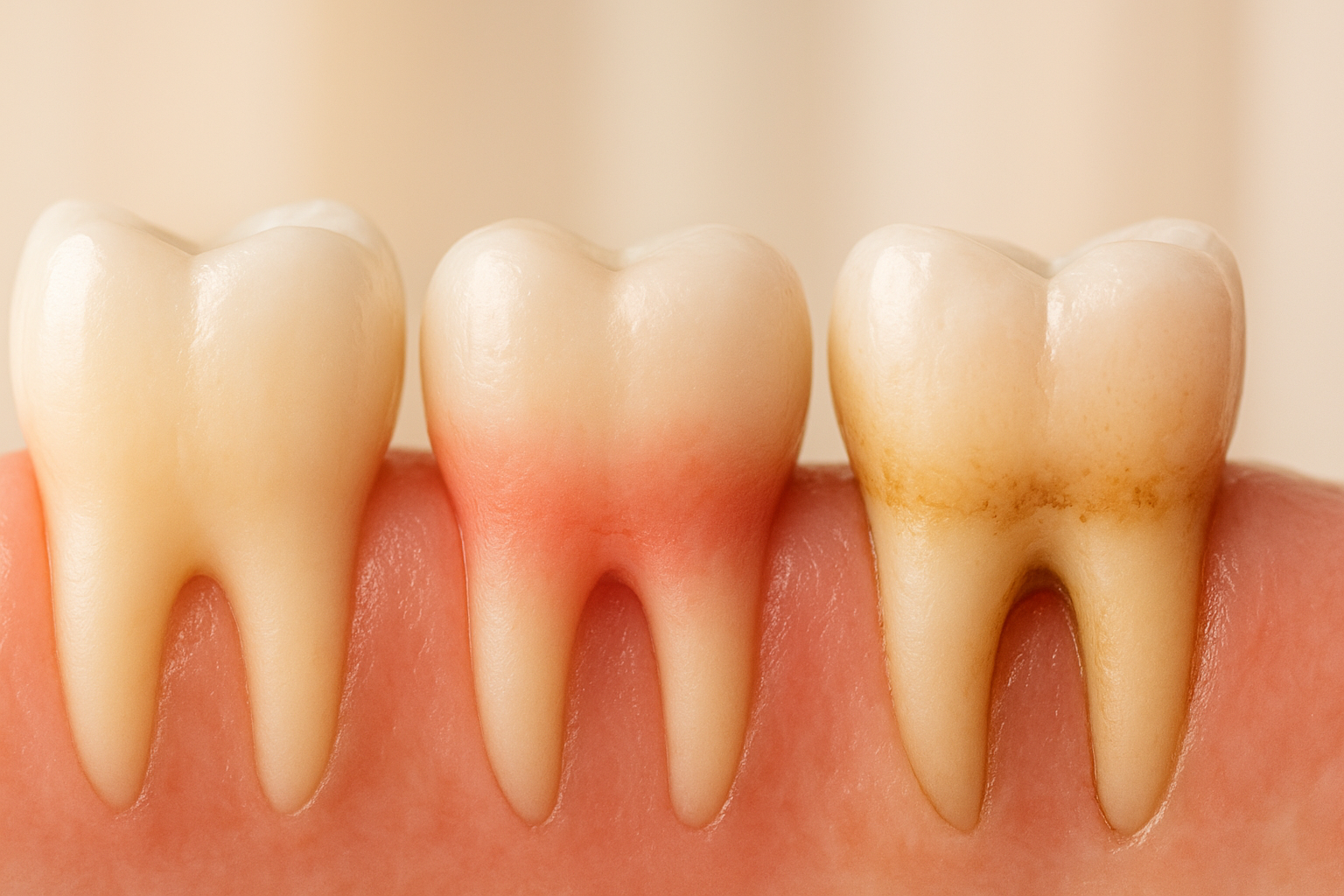
Quick Answer: Gum disease stages explained include gingivitis, mild periodontitis, and advanced periodontitis. Each stage reflects worsening gum health, but early intervention can maintain healthy gums.
Understanding Gum Disease
Gum disease, or periodontal disease, is an oral health condition that affects the gums and supporting structures of the teeth. It progresses through distinct stages, each with its characteristics and challenges. Understanding these stages is crucial for maintaining gum health and preventing further complications.
Gingivitis: The First Stage
Gingivitis is the initial stage of gum disease. It is characterized by red, swollen gums that may bleed during brushing or flossing. At this stage, gum health can often be restored through improved oral hygiene practices such as regular brushing, flossing, and the use of a lipid-based formula like Dental Pro 7 to help maintain healthy gums.
Gingivitis is primarily caused by the buildup of plaque, a sticky film of bacteria that forms on the teeth. When plaque is not removed, it can harden into tartar, further irritating the gums. Addressing gingivitis early is essential as it is reversible with proper care.
Mild Periodontitis: Progression of Disease
If gingivitis is left untreated, it can progress to mild periodontitis. This stage involves a more significant impact on the gums and supporting bone structures. The gums begin to recede, and spaces may develop between the teeth and gums. This can lead to more plaque accumulation and further gum issues.
At this stage, maintaining gum health becomes more challenging, requiring enhanced oral care routines. Lipid-based products, such as Dental Pro 7, can provide additional support by creating a natural renewal environment. Regular dental check-ups are crucial to monitor and manage the condition effectively.
Advanced Periodontitis: Severe Gum Health Issues
Advanced periodontitis is the most severe stage of gum disease. It involves extensive damage to the gums and bone supporting the teeth, often leading to tooth mobility or loss. At this stage, the focus shifts to managing the condition to prevent further deterioration.
Non-surgical solutions become more limited at this point, emphasizing the importance of early intervention. However, maintaining a rigorous oral hygiene routine can still play a significant role in preserving remaining gum health.
Maintaining Gum Health Naturally
Preventing gum disease starts with a solid foundation of oral hygiene. Brushing twice a day with fluoride toothpaste, flossing daily, and using a lipid-based formula can help maintain gum health. Regular dental visits for professional cleanings and evaluations are also critical.
Diet plays a role in gum health as well. Consuming a balanced diet rich in vitamins and minerals supports overall oral health. Staying hydrated helps wash away food particles and bacteria, further protecting the gums.
Non-Surgical Options for Gum Health
Non-surgical options focus on maintaining existing gum health and preventing progression. These include professional cleanings and at-home care enhancements. Lipid-based complexes, like Dental Pro 7, can offer additional support by helping create a natural renewal environment for the gums.
Regularly using such formulas can complement traditional oral hygiene practices, giving the gums an extra layer of protection against potential irritants.
Frequently Asked Questions
What are the early signs of gum disease?
Early signs include red, swollen gums that may bleed during brushing or flossing. Persistent bad breath and receding gums can also indicate early stages.
Can gum disease be reversed?
In its early stage, gingivitis, gum disease can often be reversed with improved oral hygiene and regular dental care. However, once it progresses to periodontitis, it becomes a chronic condition.
How does Dental Pro 7 help with gum health?
Dental Pro 7's lipid-based formula helps maintain gum health by creating a natural renewal environment, complementing regular oral hygiene practices to support overall gum health.
Conclusion
Understanding gum disease stages explained helps in recognizing the importance of early intervention to maintain gum health. From gingivitis to advanced periodontitis, each stage presents unique challenges. By focusing on non-surgical solutions and enhancing oral care routines, one can significantly support gum health and reduce the risk of progression.
More articles from Dental Pro 7 Journal →
"Dental Pro 7 is a product that actually does what it claims it can do. I skipped my dental cleaning in the spring because of gum problems and began researching gingivitis. I tried your product out of desperation and the"
— Jim Kiernan ★★★★★