How to Get Emergency NHS Dental Appointment, Today?
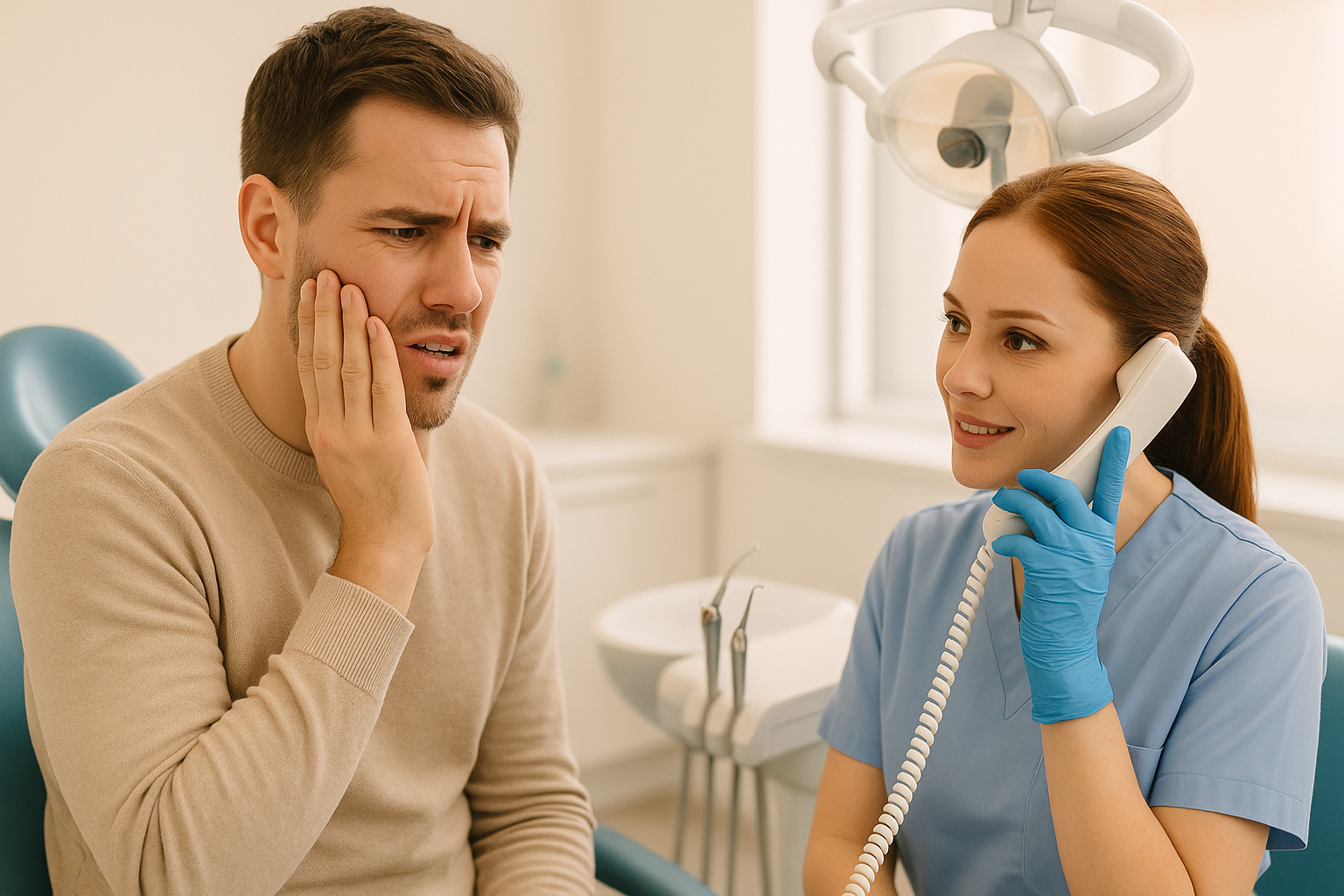
If you’re in real dental pain or dealing with a swelling or broken tooth, you need a clear plan you can follow right now. Below is a practical, hour‑by‑hour playbook for getting seen urgently on the NHS—how to use 8am call tactics, when to switch to NHS 111 (or your nation’s equivalent), what it will cost, and what to do safely while you wait.
In my experience, you don’t have to be “registered” with a practice to be offered urgent NHS care. NHS 111 (and the national equivalents) can allocate urgent capacity at practices or dental access hubs when your usual dentist can’t see you quickly.
What counts as an emergency for NHS dental care—and what doesn’t?
First, decide whether you need A&E or urgent dental care. A&E is for immediate, life‑threatening problems. Urgent dental care is for serious issues that need a prompt dental assessment but don’t threaten your airway right now. Non‑urgent problems usually wait for a standard appointment.
Go to A&E or call 999 if any of the following apply:
- Facial swelling affecting breathing or swallowing
- Uncontrolled bleeding from the mouth after an injury or procedure
- Severe facial trauma (e.g., jaw injury, large lacerations)
- Rapidly worsening swelling with shivers, feeling faint, or confusion
Use urgent dental care pathways when you have:
- Severe toothache not eased by packet‑directed pain relief
- Rapidly increasing swelling of the face or gum area without airway concerns
- A dental or gum infection with feverishness or feeling generally unwell
- Trauma to teeth or the mouth’s soft tissues that needs prompt dental attention
Arrange a routine appointment when you have:
- Minor chip without pain or sensitivity
- Lost filling or crown with no pain
- Routine check‑ups or hygiene visits
When to see a dentist urgently
If pain is severe or worsening, you notice spreading facial swelling, or you’ve had a blow to the teeth, you need urgent dental care today. If there’s any breathing or swallowing difficulty, or bleeding you can’t control, go to A&E or call 999.
96% of Dental Pro 7 customers reported visible improvement in gum appearance Source: 303 approved product reviews for Dental Pro 7 product line (2023–2025)
How do I get an emergency NHS dental appointment today?
Urgent capacity moves quickly—both in and out of the diary. Here’s a realistic hour‑by‑hour plan that works for most people.
- 7:55–8:00am: Call your usual NHS dental practice the moment phone lines open. Be clear that you need a same‑day urgent appointment. Briefly state the key facts: when the pain started, your pain score out of 10, any swelling, trauma, or broken tooth edges.
- 8:15–9:30am: If your practice can’t help, switch to NHS 111 (England), NHS 24 on 111 (Scotland), NHS 111 Wales, or your local HSC trust (Northern Ireland). You’ll be triaged and, where suitable, allocated to a practice or dental access hub with capacity. Keep your phone line free; missed calls are often reallocated.
- 9:30am–12:00pm: Accept the first suitable slot, even if it’s not your closest practice. Plan transport immediately. If you haven’t heard back within an hour, ring 111 again to check progress.
- 12:00–1:00pm: If nothing is available locally, ask about neighbouring towns, dental hospitals, or university dental schools with urgent clinics.
- 1:30–5:00pm: Keep checking for late‑released spaces. Practices sometimes free up capacity after cancellations or triage reviews.
- Evenings/weekends/bank holidays: Go straight to NHS 111 (or your nation’s equivalent). They manage out‑of‑hours urgent dental access.
In my practice, we hold a small number of same‑day urgent places and these fill within minutes. Being concise, flexible on location, and reachable by phone gives you the best chance of being seen quickly.
When should I call NHS 111 (or my nation’s equivalent) versus a local practice?
As a rule of thumb, call your own practice first in office hours because they often protect urgent capacity for known patients and local residents. But don’t delay switching to NHS 111 (or the equivalent) if capacity is gone, you don’t have a dentist, or it’s out of hours.
Use the quick comparison below to decide where to start:
| Route | Best For | Hours | Typical Outcome | Pros | Considerations |
|---|---|---|---|---|---|
| Your local NHS dental practice | Office‑hours urgent needs; you’re local or known to the practice | Mon–Fri, business hours | Same‑day urgent slot if available | Fast if you get through at 8am; records may be on file | Capacity limited; lines busy at open |
| NHS 111 (England), NHS 24 on 111 (Scotland), NHS 111 Wales | No dentist; practice can’t see you; out of hours | 24/7 | Allocation to an urgent practice or access hub | Wider pool of providers; structured triage | Call‑back windows can be short; be reachable |
| Dental hospital or university dental school | Complex injuries; urgent cases where clinics exist | Varies—often set clinic windows | Walk‑in or referral‑based urgent slots | Specialist facilities | Availability varies by region; check local rules first |
| A&E / 999 | Immediate threats—airway, uncontrolled bleeding, major trauma | 24/7 | Stabilisation; onward dental referral as needed | Life‑saving care | Not for routine pain without red flags |
For England, read about NHS 111 here: NHS 111. For Scotland, NHS Inform explains how urgent dental access works: NHS Inform—Urgent Dental Care.
What will it cost and what should I bring to an NHS urgent dental visit?
In England, urgent dental care has a standard urgent charge that covers the assessment and immediate steps to stabilise the problem. Exemptions and remissions apply for eligible groups. Check the current fees before you set out: NHS dental charges. Scotland, Wales and Northern Ireland have different charging policies—follow your nation’s guidance.
What to bring:
- Photo ID and your NHS number if you know it (don’t worry if you don’t)
- Medication/allergy list and relevant medical history
- A brief note of what you’re experiencing: when it began, pain score out of 10, anything that helps or makes it worse
- A way to pay if charges apply (card preferred)
Arrive a little early. Urgent slots run tightly and may be reallocated if you’re late. Expect a focused visit—aimed at easing pain, managing infection risk where appropriate, smoothing sharp edges, or placing a temporary solution before a follow‑up visit.
How can I manage dental pain safely until I’m seen?
Short‑term steps can make you more comfortable, but they don’t replace a proper dental assessment. Use these measures alongside your push for an urgent appointment.
- Use packet‑directed pain relief: Paracetamol or ibuprofen can help if suitable for you. Never exceed the stated dose and check for interactions or medical reasons you should avoid these. If you’re unsure, ask a pharmacist.
- Keep the area clean: Brush gently but thoroughly. A lukewarm saltwater rinse (half a teaspoon of salt in a cup of warm water) after meals can freshen the area. Avoid very hot or very cold drinks and chew on the other side.
- Do not place aspirin on your gum or cheek: This can burn soft tissues and make things worse.
- Don’t self‑start leftover antibiotics: Antibiotics are only issued when clinically indicated and usually require an assessment. Overuse has wider health implications; see this perspective review on dental prescribing: PMID 41410042.
While you’re waiting, a steady home‑care routine can help your mouth feel cleaner and fresher. Some people like to add a high‑quality concentrate to their brushing routine. For example, Dental Pro 7 is a professional‑strength, lipid‑based gum care concentrate that supports a freshly‑polished feel, a more defined, visually elevated gum line, and long‑lasting freshness. It’s a supportive step in daily care—not a medical fix—and should sit alongside regular brushing and flossing.
If you’re dealing with receding gums and want to choose the right toothpaste for day‑to‑day use, you may find this guide helpful: What Is the Best Toothpaste for Receding Gums, and How Do You Choose?
Can A&E help with dental problems—and when is it appropriate?
A&E is designed for threats to life or function—particularly airway issues, uncontrolled bleeding, or major facial trauma. If your problem includes any of those red flags, go to A&E or call 999 immediately. They can stabilise you and arrange the right follow‑up.
For severe toothache without airway or bleeding concerns, NHS 111 (or your nation’s equivalent) remains the right first step. They route you to urgent dental care, which is set up for dental procedures and follow‑on planning.
Dental hospitals sometimes run emergency clinics. Some are appointment‑only; others have walk‑in windows. Check local guidance first to avoid a wasted journey.
What are my options if I still can’t get an NHS urgent slot?
If local capacity is tight, widen the search:
- Ask NHS 111 about alternatives: Neighbouring towns, dental access hubs, and out‑of‑hours clinics can often help if you can travel.
- Dental hospitals or university dental schools: Where available, these can manage urgent cases—especially trauma or complex problems. Policies vary by region.
- Consider private urgent care if you can: Ask for a price guide before you book and confirm whether they can stabilise the issue today. You can still return to the NHS for ongoing care.
Keep calling back if your pain is ongoing or getting worse. New urgent capacity is released throughout the day as diaries change.
How do the steps differ in England, Scotland, Wales and Northern Ireland?
The core approach is the same—call your practice at 8am if they’re open, switch to the national urgent access line if they’re not, and be flexible on location. The exact routing and charges vary by nation.
England
Call your dental practice first during office hours. If unavailable—or you don’t have a dentist—call NHS 111 for urgent dental allocation and advice on current charges. See: How to find an NHS dentist and NHS dental charges.
Scotland
Contact your practice or call NHS 24 on 111. NHS Inform explains urgent dental access and out‑of‑hours steps: NHS Inform—Urgent Dental Care.
Wales
Call your practice or NHS 111 Wales. They will triage you and direct you to urgent dental care locally or regionally, including out‑of‑hours clinics.
Northern Ireland
Contact your dentist or your local HSC trust for urgent dental access. HSCNI lists local arrangements and out‑of‑hours details on their websites.
Frequently Asked Questions
Do I need to be registered with a dentist to get an urgent NHS appointment?
No. Urgent slots are allocated based on need. If your practice can’t see you—or you don’t have a dentist—NHS 111 (or your nation’s equivalent) can route you to an available practice or a dental access hub.
What time should I call to have the best chance of a same‑day urgent slot?
Start dialling at 8am. Many practices release same‑day urgent capacity when phone lines open. If you can’t get through or there’s no space, call NHS 111 (or your nation’s service) immediately after.
Can I get antibiotics without being seen if I have severe dental pain?
No. Antibiotics are only issued when clinically indicated and usually require an assessment. Overuse carries wider health implications, so don’t self‑start leftovers. See the perspective on prescribing risks: PMID 41410042. [1]
How long do urgent NHS dental appointments usually last and what can be done in one visit?
These visits are brief and focused on stabilising the problem—such as easing pain, draining an infection if indicated, smoothing sharp edges, or placing a temporary solution. You may be scheduled for definitive care later.
What if I miss a call back from NHS 111 about an urgent dental slot?
Call back straight away. Allocation windows can be short and missed calls are often reallocated. Keep your phone off silent and nearby until you’re seen.
Are urgent NHS dental charges different from routine NHS dental charges?
Yes. In England, urgent care carries a set urgent charge band, separate from routine bands. Exemptions and remissions apply. Check current fees on the NHS site before you go.
While urgent care is about getting you comfortable and safe today, your everyday routine still matters. Thoughtful brushing, flossing or interdental cleaning, and a supportive concentrate such as Dental Pro 7 can help you maintain a freshly‑polished feel, a more defined gum line, and long‑lasting freshness between visits—alongside regular dental check‑ups when due.
| Metric | Finding | Source |
|---|---|---|
| Gum disease prevalence (US adults) | 47.2% | CDC, 2024 |
| Adults with severe periodontitis | 9.0% | CDC, 2024 |
| Link to systemic health | Established association | NEJM, 2017 |