How to Look After Gums at Home, UK?
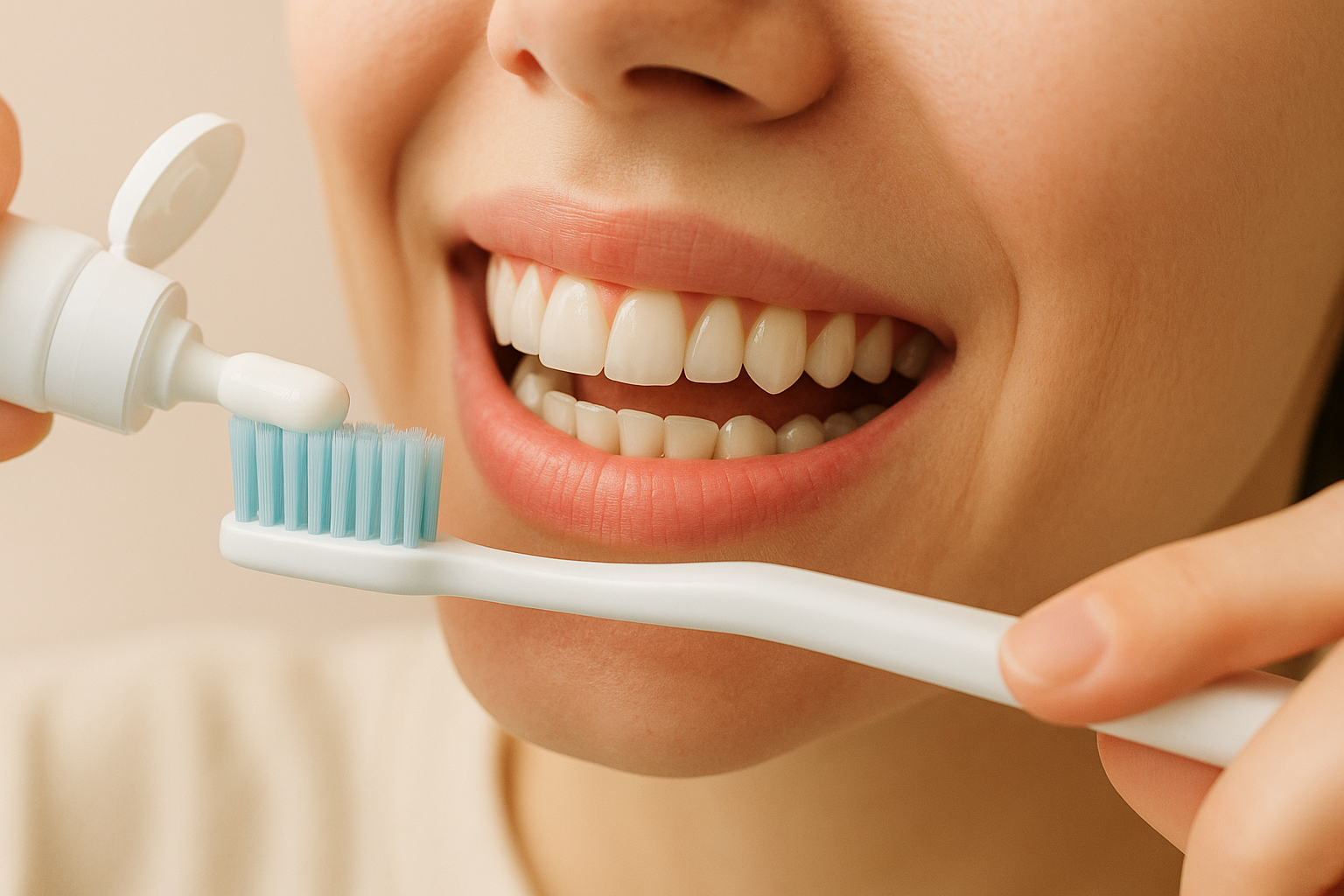
How To Look After Gums At Home, UK? Brush twice a day with the right fluoride toothpaste, clean between your teeth once daily, add tongue cleaning, and use short‑course mouthrinses only when needed. Keep snacks to mealtimes, stay hydrated, and book NHS dental checks on the schedule your dentist recommends.
What does a dentist‑approved home routine for gums look like in the UK?
The core of a UK gum‑care routine is simple and grounded in NHS guidance: brush twice daily with 1350–1500 ppm fluoride toothpaste and clean between your teeth once a day. That’s the backbone of plaque control and a strong start toward a fresher smile and a healthier‑looking gum line. See NHS advice on brushing and gum care for the detail you can trust: NHS: How to keep your teeth clean and NHS: Gum disease.
For everyday freshness, add tongue cleaning and a 30–60 second rinse when appropriate. Time your rinse so it doesn’t wash away toothpaste right after brushing—use it at a different time of day. And spit, don’t rinse with water after brushing, so fluoride can stay where it’s useful.
Keep a simple daily cadence: in the morning, brush then clean your tongue (optional alcohol‑free rinse later if you like). In the evening, clean between teeth, then brush, then spit out excess paste. Track consistency, not perfection—near‑daily habits beat occasional overhauls every time.
96% of Dental Pro 7 customers reported visible improvement in gum appearance Source: 303 approved product reviews for Dental Pro 7 product line (2023–2025)
How should I brush (and for how long) to keep my gum line looking healthy?
Two minutes is the sweet spot. Use a soft or medium manual brush, or an oscillating–rotating/sonic brush on a gentle mode. Angle the bristles about 45 degrees to the gum edge. In my experience, that small tilt is the difference between merely polishing the tooth and also sweeping the gum margin where plaque loves to sit.
Use short, careful strokes along the gum margin—think of massaging along a line rather than scrubbing. Heavy pressure can wear enamel at the neck of the tooth and make the gum line look uneven over time. Let the bristles do the work; if they’re splaying, you’re probably pressing too hard.
Work in quadrants so no area is rushed: outside surfaces, then inside surfaces, then the chewing surfaces. Finish by spitting out the excess paste without rinsing. Replace brush heads every three months, or sooner if bristles spread. If you’re unsure about a paste choice for sensitive or exposed areas, this guide may help: What Is the Best Toothpaste for Receding Gums, and How Do You Choose?
Why is interdental cleaning non‑negotiable—and which tool should I pick?
To put it plainly: your toothbrush can’t reach the tight spaces between teeth. Interdental cleaning clears those areas, supporting a more defined, visually elevated gum line and a mouth that feels cleaner for longer. Once a day is ideal; many people find the evening easiest to remember.
Choose the largest comfortable interdental brush for each gap. Where a brush won’t fit, try floss or soft picks. It’s common to need a mix of sizes—for example, a small size between front teeth and a larger size toward the back. If in doubt, ask your dentist or hygienist to size you accurately; a single correct size per gap is normal.
Clean before your evening brush so toothpaste can reach freshly cleared spaces. Expect the first few days to feel new; the payoff is a gum line that looks tidier and teeth that feel freshly polished from edge to edge.
Can mouthwash help—or hurt—if I’m aiming for fresher breath and confident gums?
Short‑course use of strong antiseptic rinses can reduce plaque quickly, which is why they’re used for defined needs. However, recent research suggests these formulas can also shift oral microbiome profiles. A proof‑of‑principle study reported divergent oral microbiomes after rinsing with hydrogen peroxide, chlorhexidine, and essential‑lipid–based products (He et al., 2025). A perspective paper has also explored potential systemic implications of long‑term microbiome disruption from frequent mouthwash use (Boulares et al., 2025). [1]
What does that mean for your routine? Reserve strong antiseptics for short, defined periods and specific advice, rather than daily, indefinite use. For everyday freshness, choose alcohol‑free options and time them away from brushing so you don’t wash off your toothpaste fluoride.
Tongue cleaning plus once‑daily interdental care often outperforms rinse‑only strategies for breath confidence. If you like a rinse, follow the label exactly. If your breath worries persist despite diligent cleaning, book a dental check to look for local causes and discuss tailored options.
| Option | Best For | How Often/Timeline | Pros | Watch‑outs |
|---|---|---|---|---|
| Alcohol‑free daily freshness rinse | Gentle, everyday breath support | Once daily, at a different time from brushing | Supports a clean, fresh feel without washing off toothpaste | Not a substitute for brushing or interdental cleaning |
| Short‑course strong antiseptic (e.g., chlorhexidine) | Defined, short‑term needs guided by a professional | Days to a couple of weeks per label/advice | Fast plaque reduction on a short timeline | May alter microbiome if overused; taste changes possible |
| No rinse, enhanced mechanical cleaning | Minimalist routines focused on technique | Daily brushing + interdental + tongue clean | Avoids washing off fluoride; very effective when done well | Breath freshness may need extra support at busy times |
What everyday habits quietly sabotage gum care (and what are smarter swaps)?
Several small habits can undo your good work without you noticing. Frequent snacking feeds plaque growth; switching to structured meals with water between keeps things simpler for your mouth. Alcohol can dry the mouth—moderate intake and consider alcohol‑free oral care options if you notice dryness.
Smoking and vaping dull oral freshness and appearance. If you’re ready to cut down or quit, NHS stop‑smoking services are there to help. Mouth‑breathing and persistent dryness also change how clean your mouth feels. Hydrate regularly, consider sugar‑free gum after meals to support saliva, and speak to your GP or dentist if dryness continues or is medication‑related.
Finally, avoid harsh scrubbing and gritty pastes. A gentle technique plus a reputable paste gives that smooth, freshly polished finish without wearing the tooth neck. Replace your brush or head every three months to keep bristles effective. Choosing more fibrous fruits and vegetables at meals encourages chewing and saliva flow—simple, everyday wins that support freshness and a tidier‑looking gum line between cleans.
When should I book a dental check in the UK, and what can I expect at home afterward?
Don’t wait for a problem. Your dentist will suggest a recall interval that suits you—often 6–24 months depending on your mouth and overall health. Book sooner if you notice ongoing bleeding on cleaning, loose teeth, a change in how your teeth meet, soreness that lingers, or breath concerns that don’t shift despite good care.
At your visit, expect tailored coaching on brushing angles, interdental brush sizes, and where to focus. You’ll also get a plan for how often to return. After a professional clean, keep the momentum: once‑daily interdental cleaning and two‑minute brushing help lock in that freshly polished feel.
A short note on bleeding during home care: a little bleeding when you restart thorough cleaning is common and usually settles as plaque control improves. The key is not to pause—use a soft brush, light pressure, and keep going daily. If bleeding doesn’t ease after a week or two, get it checked. For broader context on oral health and prevention, the World Health Organization’s overview is useful: WHO: Oral health.
When to see a professional
If bleeding continues after a week of careful daily cleaning, if teeth feel loose, if you notice gum line changes, ulcers that don’t improve within two weeks, persistent bad breath despite good cleaning, or you’re on blood thinners or managing conditions like diabetes—book a dentist or hygienist appointment promptly.
Can a specialist gum‑care concentrate fit into this routine?
Some people like to add a focused step for the gum line after brushing. A professional‑strength, lipid‑based gum care concentrate such as Dental Pro 7 can be used as a supportive part of your daily routine. Applied along the gum edge after cleaning, its 100% Lipid Potency format helps it stay where you place it. Users often describe a freshly polished feel and long‑lasting fresh breath. As with any formula, it complements—not replaces—brushing, interdental cleaning, and regular dental checks. [2]
If breath confidence is your main goal, you may also find that a combination of tongue cleaning, accurate interdental sizing, and a timed, alcohol‑free rinse outperforms rinse‑only routines. For selective approaches to oral biofilms, you can explore emerging research on targeted formulas (Siddiqui et al., 2025), alongside established reviews of essential‑lipid–based rinses in plaque control (van Swaaij et al., 2025). And remember: reserve strong antiseptics for clear, time‑limited needs. [3]
What else do people ask about home gum care in the UK?
Should I floss before or after brushing for the best results?
Clean between your teeth first in the evening so your toothpaste can reach freshly cleared spaces. If you prefer to do it after, that’s still far better than skipping it—consistency is the winner.
Which is better for gums: an electric toothbrush or a manual brush?
Both can work well with the right technique. Many people find an oscillating–rotating or sonic brush (on a gentle setting) easier for two full minutes along the gum edge. If you love manual, choose soft/medium bristles and be methodical.
How long should I use a strong antiseptic mouthwash before taking a break?
Use only for short, defined periods as advised on the label or by your dental professional—often days to a couple of weeks. Newer research suggests long, indefinite daily use can shift the oral microbiome; reserve strong formulas for clear, time‑limited needs.
Can tongue cleaning really help with stale breath?
Yes. Cleaning the tongue surface daily removes odour‑causing residues that a brush alone misses. It’s one of the quickest ways to support fresher breath alongside thorough interdental cleaning.
What fluoride level should my toothpaste have in the UK?
Most adults should use 1350–1500 ppm fluoride. Spit out after brushing and avoid rinsing with water so the fluoride remains on the teeth, as advised by the NHS.
When does bleeding on cleaning need a same‑week dental appointment?
If bleeding continues after a week of careful daily cleaning, if you notice loose teeth, a change in how your teeth bite together, soreness that doesn’t settle, or you’re on blood thinners, contact your dentist the same week.
| Metric | Finding | Source |
|---|---|---|
| Gum disease prevalence (US adults) | 47.2% | CDC, 2024 |
| Adults with severe periodontitis | 9.0% | CDC, 2024 |
| Link to systemic health | Established association | NEJM, 2017 |