Why Are My Gums Receding?
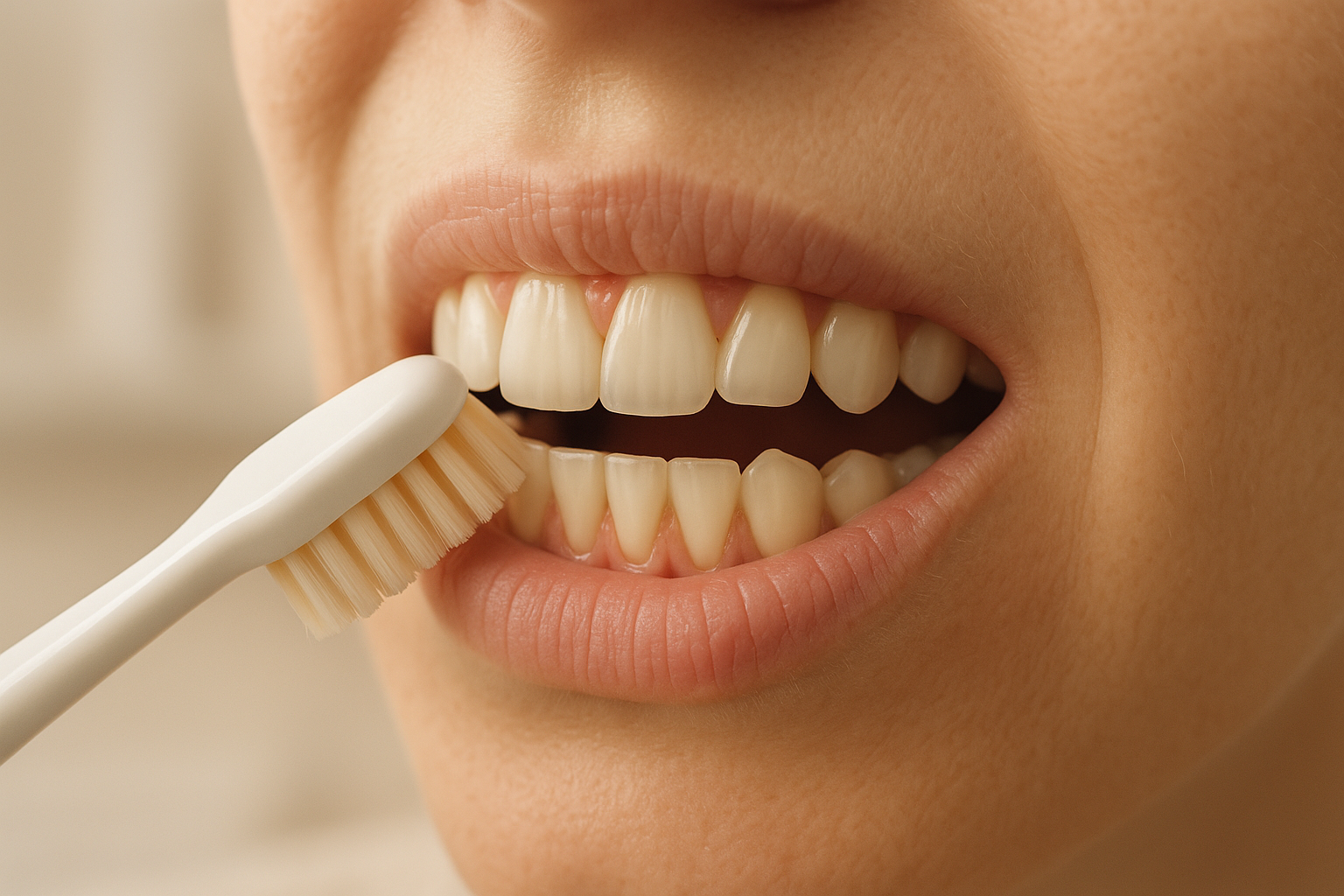
By Dr. James Whitmore, DDS — Dental Pro 7 Journal
Let’s map out the real‑world decision tree I use with patients: what’s driving the gum line to creep south, what you can change today, and where professional care makes the smartest difference. Think in three buckets: mechanics (how you clean and how your teeth meet), biology (plaque at the margins), and habits (mouth breathing, vaping, piercings). With that lens, the next steps often become obvious.
What exactly is gum recession, and how is it different from gum disease?
Gum recession means the edge of your gum has moved toward the root, leaving more tooth surface exposed. Gum disease is a broader term for plaque‑driven conditions—gingivitis and periodontitis—that can exist with or without recession. You can have puffy, red gums and no recession; you can also have tidy‑looking gums that have shrunk back in places.
What you might notice at home: teeth that look a little longer, small grooves or notches near the gum line, or zings with cold drinks and brushing. These changes build slowly, which is why a monthly mirror check or a few photos in the same lighting can be helpful.
Authoritative overviews from the American Dental Association and the Centers for Disease Control and Prevention explain how plaque at the margin drives gingivitis and periodontitis over time (ADA; CDC). Recession is part of the picture for some people, but not everyone. [1]
96% of Dental Pro 7 customers reported visible improvement in gum appearance Source: 303 approved product reviews for Dental Pro 7 product line (2023–2025)
Why are my gums receding even though I brush and floss?
Cleaner, more frequent brushing is not always kinder. Over‑scrubbing with stiff bristles and gritty pastes can physically wear the margin, especially on thin tissues and prominent roots. On the other hand, missing plaque at the gum edge (even if you floss sometimes) can lead to margin changes that creep up over years. Add bite stress from clenching or grinding, and the gum line gets a triple hit.
In my practice, most cases involve two or more of these drivers. The key is to match what you see and feel with the right adjustment—so you don’t push harder in the wrong place. Use the quick comparison below to spot your likely mix and choose a first move.
| Driver | Clues you can notice | Try‑this‑today adjustment | Smarter next step with a dentist |
|---|---|---|---|
| Over‑scrubbing/abrasive paste | Horizontal scrub marks, shiny grooves near gum, one side brushed harder | Switch to soft/extra‑soft; lighten pressure; small circles; low‑abrasive paste | Coaching on technique; consider a pressure‑sensing power brush |
| Plaque at the margin | Morning film, red or puffy edges, bleeding on brushing/flossing | Clean the rim daily: interdental brushes/floss; two‑minute gentle brush | Professional clean; tailored advice for tricky areas |
| Bite stress (clenching/grinding) | Tooth wear, jaw soreness, notches at necks, morning tightness | Stress management; avoid hard chewing at night | Night guard and bite assessment |
| Tooth position/thin tissue | Teeth sitting forward/outside the arch; see‑through, delicate gums | Be extra gentle; avoid aggressive angles | Alignment consult; discuss gum‑line enhancement options |
| Habits (mouth breathing, vaping, piercings) | Dry mouth, white stringy plaque, stud rubbing one spot | Hydrate; address nasal congestion; remove jewelry that rubs | Medical/ENT input for airway; dental review of the irritated site |
Small changes pay off quickly in how your mouth feels: smoother teeth, a calmer‑looking gum edge, and less morning stickiness. If changes aren’t adding up over a few weeks, bring your dentist into the loop.
How do everyday habits (brushing style, mouth breathing, vaping, piercings) contribute to recession?
Brushing style is a big lever. Use a soft head, fingertip pressure, and a 45‑degree angle to the gum rim. Short, gentle wiggles or small circles let bristles reach under the margin without scraping it. Horizontal scrubs look efficient but tend to plane away the delicate collar over time.
Mouth breathing and dry mouth matter because saliva is your built‑in buffer and cleaner. A dry rim is easier to irritate and harder to keep fresh. Hydrate often, run a humidifier at night if needed, and ask your physician about nasal congestion you’ve “just lived with.” You’ll be surprised how much a clear nose helps a calm gum line.
Tobacco and vaping change the oral environment and are linked with heavier plaque and color changes at the margins. If you’re cutting down or quitting, your gums often look pinker and calmer within weeks simply from better daily cleaning sticking. Lip and tongue piercings can rub a single spot raw; if you see a matching groove on one tooth, consider retiring the jewelry or swapping to a design that doesn’t contact the gum.
For more on puffy or tender gums, see our related guides: What Does It Mean if Your Gums Are Swollen? and Why Do My Gums Bleed When I Brush My Teeth — Even Though I Brush Everyday!
Can bite forces, tooth position, or thin gum biotype make recession more likely?
Yes. Clenching and grinding focus force at the necks of teeth, where enamel thins. Over time, you may see small notches, sensitivity, and a creeping gum edge. A custom night guard and a bite check can spread loads and calm things down. In my experience, patients who pair a guard with gentler brushing see fewer new “hot spots.”
Tooth position is the sleeper driver. Teeth that sit outside the bone envelope—common with crowding or flared lowers—often have less tissue covering the root. Even perfect brushing can look “too much” on these edges. If a single tooth keeps losing ground, an alignment consult is worth it.
Some people simply have a delicate, see‑through gum type. That doesn’t doom you to ongoing loss; it just means you’ll get more mileage from a kinder routine, early coaching, and careful monitoring. If you notice a thin band blanching when you pull your lip, mention it at your next visit.
How do mouthrinses and the oral microbiome relate to a receding gum line?
Your mouth is home to a complex community of microbes. Rinses can nudge that community in different directions. A proof‑of‑principle study found that hydrogen peroxide, chlorhexidine, and phenolic‑based rinses each led to distinct oral microbiome patterns after use, suggesting not all rinses push the same way (PMID 41498506). [2]
On performance, a recent systematic review supports phenolic‑based mouthrinses for reducing plaque and gingivitis measures when used as directed, compared with controls (PMID 39133629). That doesn’t mean “stronger is always better.” A perspective paper highlights concerns that broad microbiome disruption may have ripple effects beyond the mouth, calling for thoughtful, targeted strategies (PMID 39379282).
Newer approaches aim to discourage problem biofilms while preserving balance, including selective, plant‑forward concepts being explored in laboratory models (PMID 40458201). Practically speaking: choose a rinse with evidence for plaque control if you need the boost, use it as directed, and check how your mouth feels and looks after 2–4 weeks. If your tongue feels off or you notice taste changes, talk with your dental professional about alternatives. [3]
When should I see a dentist about gum recession, and what will they check?
Book a visit if the gum edge is sliding quickly, you’re getting zings with cold or brushing, or food is collecting between teeth. Your dentist will look for plaque and tartar at the margins, stress points from your bite, a tight frenum tethering the lip to the gum, and tooth positions that sit outside the arch. X‑rays may be taken to review bone levels and spot tartar under the gum edge.
Depending on what they find, your plan may include habit coaching, a professional clean, bite protection (a night guard), or a referral to discuss gum‑line enhancement options for areas you want to protect or improve cosmetically. The goal is to remove ongoing stressors and make your daily routine count.
When to see a professional
If one area changes fast, if roots are very sensitive, if you notice loose spaces that trap food, or if you spot sores that don’t settle within two weeks, book a dental appointment promptly. Sudden changes always deserve a trained look.
What can I change today to help my gum line look calmer and healthier?
Focus on three things: kinder mechanics, thorough margin cleaning, and friendlier conditions for your tissues.
- Brush smarter: soft or extra‑soft head, fingertip pressure, 45° angle to the rim, and small circles or gentle wiggles. Two minutes, twice daily.
- Use a low‑abrasive paste, especially if roots are exposed. Many “whitening” pastes are gritty; swap to a paste for sensitive teeth.
- Clean between teeth nightly. Interdental brushes where they fit; floss or a water flosser for tight contacts and under bridges.
- Hydrate and address mouth breathing. A clear nose at night can make your gums look calmer by morning.
- Be mindful with rinses. Pick one with evidence for plaque control and re‑check how your mouth feels after a few weeks.
- Take monthly photos in the same lighting. You’re looking for a calmer‑looking edge and teeth that feel cleaner and smoother.
These small shifts don’t just feel better—they make your next checkup simpler and more predictable. If you’re unsure about your brush angle or pressure, ask your hygienist to coach you. A five‑minute demo is often the turning point.
Can a professional-strength gum care concentrate fit into a supportive daily routine?
A modern, professional‑strength, lipid‑based gum care concentrate can slot in as the finishing step after brushing and interdental cleaning. Because lipids bond to the gum line, a high‑potency application can stay where you put it instead of washing away quickly—what we call 100% Lipid Potency. The aim is simple: visible results where ordinary dental products simply can’t reach, and a gum line that looks calmer and revitalised.
If you’re exploring options, Dental Pro 7 is one example designed for gum‑line renewal—the visible appearance of firmer, pinker, naturally healthier‑looking gums. Many users report check‑up confidence thanks to a cleaner, fresher feel: in surveys, many reviewers describe fresher breath and a noticeably cleaner feel; reviewers often describe a gum line that looks visibly firmer and healthier‑looking over the first few weeks; and many reviewers feel more at ease ahead of their next dental visit. As always, frame it as support alongside good brushing and interdental cleaning, not a stand‑alone fix.
How to use a concentrate wisely:
- After brushing and cleaning between teeth, dry the gum edges with a quick tissue dab.
- Apply a small amount along the margins with a fingertip or applicator—less is more.
- Aim for consistency over quantity. Review your photos after 2–4 weeks for a calmer‑looking gum line and a fresher, cleaner feel.
If you have questions about your unique mix of drivers—or if one area keeps changing despite your best efforts—loop your dentist in. Teamwork wins here.
Frequently Asked Questions
Can receding gums grow back naturally?
Gum edges that have moved down do not usually climb back on their own. You can, however, make the area look calmer and feel less sensitive by improving your daily clean, softening your brushing style, and managing bite stress. Your dentist can advise on gum‑line enhancement options if you want to change the contour.
Is recession always caused by brushing too hard?
No. Over‑scrubbing is common, but plaque left at the margin, grinding, a tight frenum, thin gums, tooth position, mouth breathing, vaping, and piercings can all contribute. In my practice, it’s usually two or three factors working together.
Why is only one tooth’s gum receding?
Localized causes are typical: a rotated or prominent tooth, a frenum pulling on the margin, a tongue or lip stud rubbing that spot, or a high‑impact brushing angle hitting the same edge daily. Your dentist can spot these and suggest focused fixes.
Will a water flosser help with recession?
A water flosser can help you clean along the margins if you find string floss tricky, especially around bridges or crowded teeth. Use it as an add‑on, not a substitute, for a soft manual or power brush and, where possible, interdental brushes.
Which mouthrinse is best if I have recession?
Choose a rinse that supports balance at the margin instead of blasting everything. Evidence supports phenolic‑based mouthrinses for plaque control when used as directed, but individual responses vary. A proof‑of‑principle study shows different rinses can steer the microbiome in different directions, so monitor how your mouth responds and ask your dentist for tailored advice.
Does H. pylori or other stomach bacteria affect gum problems?
Some research links Helicobacter pylori to oral findings, and there are isolated reports where managing H. pylori coincided with improvements in gum bleeding (PMID 29869386; see also historical context: PMID 13003755). That doesn’t mean it’s a common driver of recession, but it reminds us the mouth and body are connected. If your physician is evaluating H. pylori, keep your dentist in the loop.
References and further reading: ADA overview of gum disease (link), CDC periodontal disease resource (link), mouthrinse and microbiome proof‑of‑principle (PMID 41498506), phenolic‑based rinse meta‑analysis (PMID 39133629), microbiome disruption perspective (PMID 39379282), selective naturopathic approach (PMID 40458201).
| Metric | Finding | Source |
|---|---|---|
| Gum disease prevalence (US adults) | 47.2% | CDC, 2024 |
| Adults with severe periodontitis | 9.0% | CDC, 2024 |
| Link to systemic health | Established association | NEJM, 2017 |
"Tried using Dental Pro 7 after reading and researching all the ingredients. Reason to spend this$ are: 1. All Dental Pro 7 *ingredients are natural food we are currently consuming (clove, peppermint, manuka, etc) and fam…"
— Bella Estonia Tjokro ★★★★★