Why Do My Gums Bleed When I Brush Even Daily?
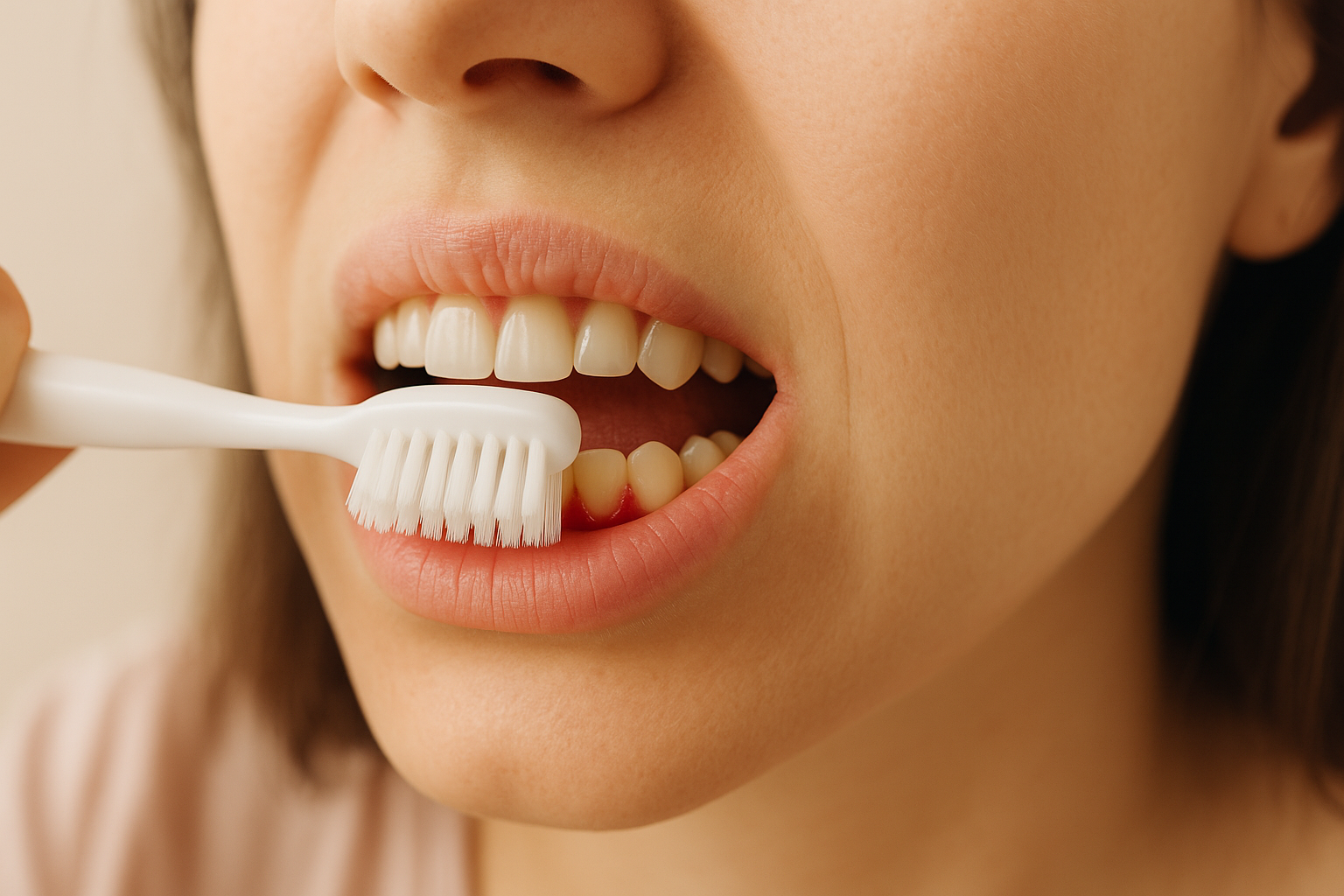
Bleeding gums when brushing, despite doing so daily, can be troubling. Many people experience this issue, and understanding the potential causes is key to addressing it effectively. Let's explore why this happens and what you can do about it.
Understanding Bleeding Gums
Bleeding gums often serve as a sign of gum sensitivity or irritation. Even with regular brushing, some people experience bleeding due to underlying issues that require attention. Identifying these causes can guide you towards effective solutions.
Common Causes of Bleeding Gums
Plaque Buildup: One of the most common reasons for bleeding gums is plaque buildup. Plaque is a sticky film of bacteria that forms on your teeth. If not properly cleaned, it can irritate the gums, leading to bleeding.
Improper Brushing Technique: Brushing too hard can damage your gums and teeth. A gentle, circular motion using a soft-bristled toothbrush is recommended to avoid irritation.
Gum Sensitivity: Some individuals naturally have more sensitive gums, which may bleed more easily. Using a gentle brushing technique and specialized products can help.
Non-Surgical Solutions
Addressing bleeding gums doesn't necessarily require invasive procedures. There are several non-surgical strategies that can help maintain gum health.
Improve Your Oral Hygiene
Maintaining a consistent oral hygiene routine is crucial. This includes brushing twice daily, flossing regularly, and using mouthwash to remove plaque and bacteria.
Adjust Your Brushing Technique
Ensure you're using a soft-bristled toothbrush and gentle motions. Electric toothbrushes with pressure sensors can help ensure you're not brushing too hard.
Consider Specialized Products
Products designed for gum care can support your efforts to maintain healthy gums. Dental Pro 7, for example, is a lipid-based formula that can be part of your daily routine to help maintain gum health.
When to Seek Professional Help
If you continue to experience bleeding gums despite improving your oral care routine, it may be time to consult a dental professional. They can provide personalized advice and support tailored to your needs.
Frequently Asked Questions
Can stress cause my gums to bleed?
Yes, stress can impact your immune system, potentially leading to increased gum sensitivity and bleeding.
Is it normal for gums to bleed occasionally?
Occasional bleeding can occur, but frequent bleeding should be addressed to avoid further complications.
Can diet affect my gum health?
Absolutely. A balanced diet rich in vitamins and minerals supports overall oral health and can help maintain gum health.
In conclusion, understanding the causes of bleeding gums and implementing effective non-surgical solutions can help maintain healthy gums. Regular dental check-ups are also important in ensuring your gums stay healthy and strong.
"This was like a miracle cure for me. My dentist was amazed. I have not had any pain or bleeding gums since I began using it. It does stop the receding gums."
— Kathy Baskoff ★★★★★