Acne Scars Treatment, Removal and Causes
Last updated: 2026-06-25
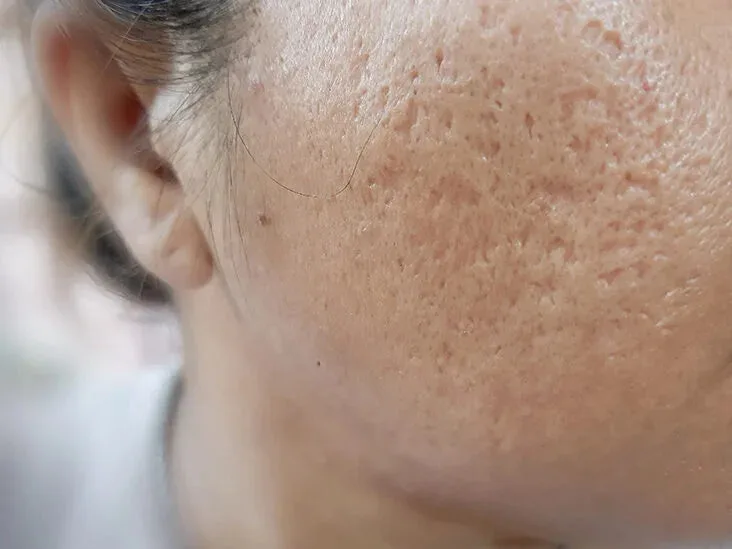
Acne scars are a common and stubborn reminder of past breakouts — and a frequent source of self-consciousness. The good news is that most can be visibly improved. The key is matching the approach to the type of scar you have, and having realistic expectations about what's possible.
What are acne scars?
Acne scars form when a breakout damages the deeper layers of skin and the body's repair process either makes too little or too much collagen. According to the American Academy of Dermatology, true scars are different from the flat brown or red marks left after a spot heals (post-inflammatory pigmentation), which usually fade on their own over months.
The types of acne scars (and why type matters)
- Atrophic (depressed) scars — where too little collagen is made, leaving a dip. They're subdivided into ice-pick (narrow, deep), boxcar (wider, sharp-edged) and rolling (shallow, wavy). These are the most common from acne.
- Hypertrophic scars — raised, from too much collagen, staying within the original spot's border.
- Keloid scars — also raised, but extending beyond the original boundary; more common in deeper skin tones.
Type matters because the fixes differ: depressed scars respond to collagen-stimulating approaches (microneedling, laser, fillers), while raised scars are managed more by calming and flattening.
What causes some people to scar more?
Several factors stack up: the severity and depth of the acne, picking or squeezing spots (which worsens inflammation), genetics, delayed treatment, and sun exposure — which darkens marks and makes them more noticeable. Protecting healing skin from UV is one of the simplest ways to keep scars from looking worse.
What actually helps — the honest tiers
At-home topicals. Evidence-backed options include retinoids (cell turnover), alpha- and beta-hydroxy acids (texture and pore-clearing), vitamin C and niacinamide (tone and collagen support), silicone gels (for raised scars), and azelaic acid for lingering marks. Introduce one active at a time, patch test, and always use daily SPF.
In-clinic procedures do the heavy lifting for established scars: chemical peels, microneedling, fractional laser, dermal fillers (for depressions) and PRP. These need a qualified professional and usually several sessions.
Botanical lipids are the gentle, daily-care end of the spectrum — and a few have real research behind them for the look of scars:
- Tamanu — studied for wound healing and anti-scarring: in an animal study it accelerated early wound healing — more granulation tissue and higher collagen density than controls by day 7 — though the study did not assess final scar size or organisation, and the evidence is still preclinical.
- Helichrysum (immortelle) with rosehip seed — a 2007 post-operative study by Voinchet and Giraud-Robert found this combination improved scar quality and shortened the inflammatory phase, and helichrysum is studied for supporting collagen deposition and skin regeneration.
- Pomegranate seed — its polyphenols are studied for supporting keratinocyte renewal and calming the enzymes that break skin down.
📋 Please note: The product below is a cosmetic concentrate intended to support the appearance of scars. It is not a medicine and is not intended to diagnose, treat, or cure any condition. Persistent or painful scars should be assessed by a dermatologist.
Where does ScarDerma Pro fit in?
ScarDerma Pro sits in that daily botanical-lipid tier: a 100% water-free lipid concentrate built around the actives above — immortelle helichrysum, rosehip seed, tamanu and pomegranate seed, with soothing camellia, hemp seed, calendula and vitamin E. Because it's lipid-based rather than a water-based cream or a silicone film, it's designed to move into the skin's surface layers rather than sit on top. As a cosmetic, it aims to support the appearance of flatter, more even-looking scars and stretch marks over time. It's rated 4.91/5 from 34 verified buyers with a 90-day money-back guarantee. Apply a small amount to the scar twice daily on clean skin; scar change is slow, so give it consistent weeks to months.
Can acne scars be completely removed?
Honestly, no approach guarantees total removal — not creams, and not always procedures. The realistic goal is meaningful improvement: flatter, smoother, more even-looking skin and more confidence. Depressed scars usually need an in-clinic procedure for the biggest change; topicals and botanical lipids support and maintain. A dermatologist can tell you which combination suits your scar type.
Frequently Asked Questions
What are the main types of acne scars?
Atrophic (depressed) scars — ice-pick, boxcar and rolling — plus raised hypertrophic and keloid scars. Depressed scars respond best to collagen-stimulating procedures; raised scars to calming and flattening approaches.
Can you get rid of acne scars at home?
You can improve their appearance at home with retinoids, AHAs/BHAs, vitamin C, niacinamide, silicone for raised scars, and barrier-supporting botanical lipids — plus daily SPF. Deeper depressed scars usually need an in-clinic procedure for the biggest change.
Do natural lipids really help scars?
Some have supportive research for the look of scars — tamanu for wound healing and anti-scarring, and helichrysum with rosehip for post-operative scar quality. Think of them as gentle daily care that supports appearance, not a guaranteed erase.
How long does it take to see a difference?
Scar remodelling is slow — expect weeks to months of consistent use for topicals and lipids, and several sessions for procedures. Older scars take longer than newer ones.