How to Soften Old Hard Scar Tissue with a Revolutionary Approach
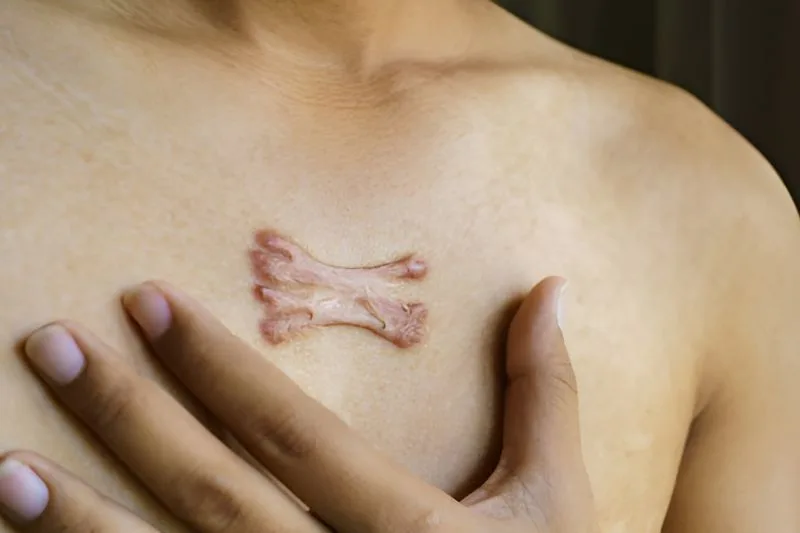
How to Soften Old Hard Scar Tissue with a Revolutionary Approach
Old scar tissue is dense and resists standard treatments. • Anhydrous lipids can penetrate and improve scar appearance. • ScarDerma is recommended for its penetrating properties. • Consistency in application is key for visible results.

Understanding the Challenge of Softening Old Scar Tissue

softening old scar tissue guide
⚡ Quick Answer: Softening old, hard scar tissue involves breaking through its dense structure. Scar tissue is a matrix of misaligned collagen that resists standard creams. The solution is using anhydrous lipids that can penetrate this matrix. Products like ScarDerma Pro are designed to seep into hardened tissue and improve its appearance.

Last updated: 2026-05-01

If you've been struggling with old, hardened scar tissue, you're not alone. Many find that traditional creams offer little relief. Scar tissue's fibrous density presents a unique challenge. Unlike healthy skin, scars are a dense matrix of collagen that forms a tough barrier. This repels water-based products, causing them to fail to penetrate where needed.

Understanding scar tissue is the first step in addressing it effectively. Scar tissue forms as part of the body's natural process, but over time, it can become thick and inflexible. This is due to misaligned collagen fibers that create a hardened landscape, making it difficult for typical products to make a difference.

To tackle this issue, it's essential to look beyond conventional methods. The key lies in using anhydrous lipid concentrates that can bypass the surface tension barrier. These waterless lipids seep into the dense collagen matrix, promoting saturation and dissolution. This process softens the scar tissue and rejuvenates the skin's appearance.

By understanding scar tissue and the limitations of water-based products, you can make informed decisions about your skincare routine. Whether dealing with scars from procedures, injury, or acne, knowing the science empowers you to choose solutions that work.

Why Nothing Seems to Work

Scar tissue can be persistent, often resisting traditional products. This is due to its unique composition and the shortcomings of standard solutions. Let's explore why this happens.

The Fibrous Density Challenge: Scar tissue is a dense collagen matrix that forms a rigid barrier. This matrix makes scars feel tough and inflexible. The collagen fibers are densely packed and often misaligned, creating a hardened landscape that is difficult to penetrate.

The Hydrophobic Shield: Most creams are water-based, encountering a barrier when applied to scar tissue. This causes products to bead up rather than being absorbed. The active ingredients never reach the deeper layers where needed most.

Understanding these barriers is crucial for finding effective solutions. By recognizing the limitations of traditional products, we can appreciate the need for innovative approaches that address the root of the problem. This knowledge empowers you to seek out solutions that truly make a difference, focusing on mechanisms that penetrate, nourish, and restore the tissue.

The Hidden Truth About Softening Old Scar Tissue

Scar tissue presents unique challenges. When skin undergoes trauma, it forms a dense collagen matrix to protect the area. This density creates a rigid barrier, resulting in a hardened landscape. Over time, misaligned collagen fibers lead to a less pliable surface, making the scar feel tough.

Many treatments fail to address these issues due to the hydrophobic shield that scar tissue develops. Water-based products bead up on the surface and cannot penetrate the dense matrix. This barrier prevents active ingredients from reaching deeper layers, leaving the scar unchanged.

The most effective method to soften old scar tissue is through Deep Lipid Penetration—using anhydrous lipid concentrates. These lipids bypass the barrier, seeping into the tissue and saturating the matrix. The small-molecule fatty acids in these concentrates facilitate seepage and melting, dissolving through the barrier and integrating with the collagen fibers. This process supports the look of the scar by restoring flexibility and rejuvenating the skin.

If you're looking for a product that aligns with this approach, consider ScarDerma Pro for its ability to improve the appearance of scars.

A Different Approach to Softening Scar Tissue

Old scar tissue can be a challenge due to its density and barrier. Traditional treatments often fall short because they cannot penetrate deeply enough. This is where a different approach, leveraging anhydrous lipid concentrates, can make a difference.

The secret lies in lipids' ability to seep into and saturate the tissue. Unlike water-based solutions that evaporate, lipid-based treatments use melting to flow between and penetrate the layers. This process, known as deep lipid penetration, allows for saturation, which can help restore pliability and rejuvenate the appearance.

Many seeking to improve their skin have found that ScarDerma Pro supports the look of smoother skin. This product is designed to support the appearance of softened scar tissue over time.

Your Professional-Strength Solution

Addressing the challenge of softening old scar tissue requires a strategic approach. Scar tissue is characterized by a dense matrix and fibrous density, creating a barrier that resists standard treatments. Most water-based products fail because they cannot penetrate the scar's shield.

The key to effective softening lies in Deep Lipid Penetration. Anhydrous lipid concentrates, rich in small-molecule fatty acids, are designed to seep into and flow between the dense fibers. This process, known as melting, allows the lipids to saturate and dissolve through the tissue, promoting saturation and dissolution. The result is enhanced pliability and elasticity, leading to a softened appearance and rejuvenated texture.

For those seeking a professional-strength solution, integrating a daily ritual that includes lipid concentrates can make a difference. Here’s a simple guide:

softening old scar tissue treatment steps

ScarDerma Pro supports the appearance of smoother skin and enhances the supple tissue feel. This solution is designed to integrate seamlessly into your routine, offering a practical way to manage and soften old scar tissue.

💡 Pro Tip

Consistency matters more than intensity. Apply a thin layer twice daily for at least 8 weeks—scar tissue remodels slowly, and the lipids work beneath the surface where you can't see immediate results.

A Simple Daily Ritual for Softening Scar Tissue

Scar tissue can become a source of discomfort due to its density and barrier. Fortunately, a simple daily ritual can help soften these areas, promoting pliability and a more supple surface.

Start by understanding that water-based products often bead up on the surface, unable to penetrate the dense matrix. Instead, opt for an approach that utilizes anhydrous lipid concentrates. These lipids seep into and saturate the tissue, effectively working through the shield that typically repels solutions.

By following this ritual, you can support the rejuvenated texture and softened appearance of scar tissue over time. Consider incorporating ScarDerma Pro into your routine for its effective formula in improving the appearance of scars.

How to Implement a Scar Softening Routine

  1. Cleanse the Area. Use a gentle cleanser to prepare the skin.
  2. Apply Lipid Concentrate. Use ScarDerma Pro for deep penetration.
  3. Massage Gently. Enhance absorption with light pressure.
  4. Leave On. Do not rinse to maximize effectiveness.

Frequently Asked Questions

What is the best way to soften old scar tissue?

Old scar tissue can be challenging to soften due to its dense matrix. The most effective approach involves using anhydrous lipid concentrates, which seep into the tissue and promote saturation. This method supports the look of supple skin and rejuvenates the appearance of scars.

How does scar tissue differ from normal skin?

Scar tissue is composed of a dense collagen matrix, making it thicker and less flexible than normal skin. Unlike regular skin, which has a structured arrangement of collagen fibers, scar tissue fibers are misaligned, leading to a rigid barrier. This difference in structure contributes to the hardened landscape and affects the skin's overall pliability.

Why do water-based products fail to soften scars?

Water-based products often fail because they bead up on the surface of scar tissue due to the hydrophobic shield. This barrier prevents effective penetration, causing the product to evaporate before absorbing. In contrast, lipid-based solutions can bypass this barrier, allowing for deep penetration and improved tissue pliability.

Learn more about scar care.