Do Receding Gums Grow Back, and What Helps Them?
Last updated: 2026-06-25
If your teeth look longer than they used to, or you can feel a small notch where the gum meets the tooth, your gums may be receding. It's common, it's worth taking seriously, and there's a lot of confusion about what you can actually do about it. Here's a clear, honest guide to receding gums: what causes them, whether they can come back, when to see a dentist, and the daily care that keeps gums looking their healthiest.
What are receding gums?
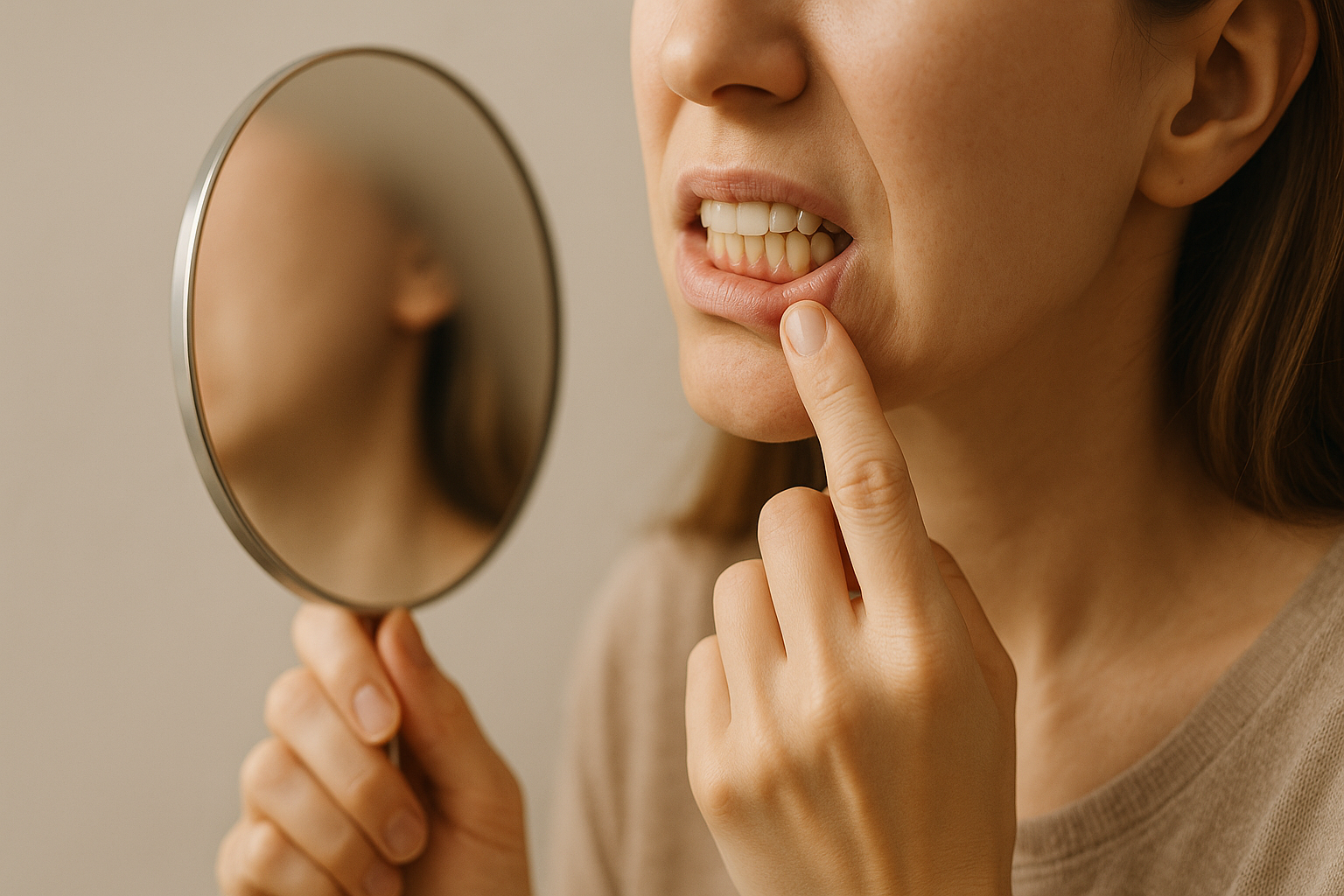
Gum recession is when the gum tissue around your teeth pulls back, exposing more of the tooth and sometimes the root. It usually happens gradually, so the earliest signs are teeth that look longer, new sensitivity to hot or cold, or a small notch you can feel at the gum line. (The clinical term is gingival recession — see our clinical guide to gingival recession for how dentists grade its severity and restore coverage.)
What does early gum recession look like?
Recession often starts so gradually that it's easy to miss. Early signs to watch for include a tooth that suddenly looks longer than the ones beside it, a small step or notch you can feel with your tongue or a fingernail where the gum meets the tooth, teeth that twinge with cold drinks or sweets, and a gum line that looks uneven from one tooth to the next. Catching these early matters, because the sooner the cause is addressed, the more of your natural gum line you keep. For a closer look at exactly what those first changes look like, see the 4 subtle signs most people miss.
What causes gums to recede?
Recession usually has more than one cause. The most common are:
- Gum disease — the leading cause; bacterial buildup inflames and gradually damages the gum and the tissue that supports your teeth.
- Brushing too hard — or using a stiff-bristled brush, which wears down the delicate gum margin over time (here's how to tell if brushing is the culprit, and how to stop it).
- Smoking and tobacco use — strongly linked to poorer gum health.
- Teeth grinding or clenching — adds repeated force to the gum line.
- Genetics — some people are simply more prone to recession.
- Age and hormonal changes — which can make gums more vulnerable.
Gum recession is also linked to overall health conditions such as diabetes, according to the CDC.
Can receding gums grow back?
This is the question everyone asks, and the honest answer is no — once gum tissue has receded, it does not grow back on its own, and no toothpaste, rinse, or at-home product can regrow it. What you can do is stop it from getting worse and, where needed, have a dental professional restore coverage. Mild recession is often managed by improving daily care and treating the underlying cause. For more advanced recession, a dentist or periodontist may recommend a gum graft or a minimally invasive option such as pinhole surgery. Because recession can be a sign of gum disease, anything beyond very mild changes should be checked by a professional.
Can you stop your gums from receding further?
In most cases, yes. While you can't regrow lost tissue at home, you can usually slow or stop further recession by removing the cause: treating any gum disease with your dentist, switching to a soft brush and a gentle technique, easing off if you grind your teeth, and quitting tobacco. Regular professional cleanings keep plaque from building up at the gum line, which is where most recession begins. Consistency is what protects the gums you still have.
When should you see a dentist?
Book an appointment if you notice teeth that look longer or a visible notch at the gum line, ongoing sensitivity, gums that bleed or look red and swollen, or any loose teeth. A dentist can identify the cause, check for gum disease, and recommend the right treatment — and early action gives the best outcome.
How can you care for your gums so they look their healthiest?
You can't reverse recession at home, but the right daily habits protect the gums you have and help them look pink, firm, and healthy:
- Brush gently with a soft-bristled brush. The American Dental Association recommends soft bristles; angle them toward the gum line and let the brush do the work — no hard scrubbing.
- Clean between your teeth daily with floss or interdental brushes.
- Don't rinse right after brushing, so fluoride stays in contact longer.
- Avoid tobacco, and ask your dentist about a night guard if you grind your teeth.
- Keep regular dental cleanings to stay ahead of gum disease.
📋 Please note: The section below describes a daily-care cosmetic product. It is intended to support the appearance of healthy-looking gums and is not medical advice, and is not intended to diagnose, treat, or prevent any condition.
Where does Dental Pro 7 fit into your routine?
As a finishing step after brushing and cleaning between your teeth, Dental Pro 7 is a premium, professional-strength botanical concentrate made to support the appearance of pinker, firmer, healthier-looking gums and a clean, fresh feel. Unlike everyday water-based products, it's anhydrous — 100% active botanicals, with no water or fillers — so a little goes a long way and it clings to the gum line instead of rinsing away. Apply a few drops to your toothbrush, brush gently along the gum line, then spit — don't rinse.
It's backed by 500,000+ bottles sold in 78 countries, rated 4.81 / 5 from 190 verified buyers, and covered by a 90-day money-back guarantee.
| Everyday water-based products | Dental Pro 7 (premium concentrate) | |
|---|---|---|
| Formula | Mostly water and fillers | 100% active botanicals, anhydrous |
| Strength | Standard | Professional-strength concentrate |
| On the gum line | Rinses away quickly | Clings where it's applied; a little goes a long way |
| Reassurance | Varies | 90-day money-back guarantee |
Frequently Asked Questions
Do receding gums grow back?
No. Once gums have receded, the tissue does not grow back on its own, and no at-home product can regrow it. A dentist can help stop further recession and, for advanced cases, restore coverage with a gum graft or similar procedure.
What is the best thing to do for receding gums?
The most important step is to see a dentist, who can find the cause and prevent further recession. Alongside that, brush gently with a soft brush, clean between your teeth daily, and avoid tobacco. For daily cosmetic care, a concentrate like Dental Pro 7 can help gums look pinker and firmer.
Can I fix receding gums at home?
You can't reverse recession at home, but you can protect the gums you have with gentle brushing, daily cleaning, and good habits — and keep them looking their healthiest. Any noticeable recession should still be assessed by a dentist.
Are receding gums serious?
They can be an early sign of gum disease, so they're worth getting checked. Caught early, the cause can usually be managed before recession progresses.
What toothbrush is best if my gums are receding?
A soft-bristled brush, used gently and angled toward the gum line, is recommended by the American Dental Association. Hard brushing and stiff bristles can make recession worse.