Why Do My Gums Bleed?
Last updated: 2 September 2026
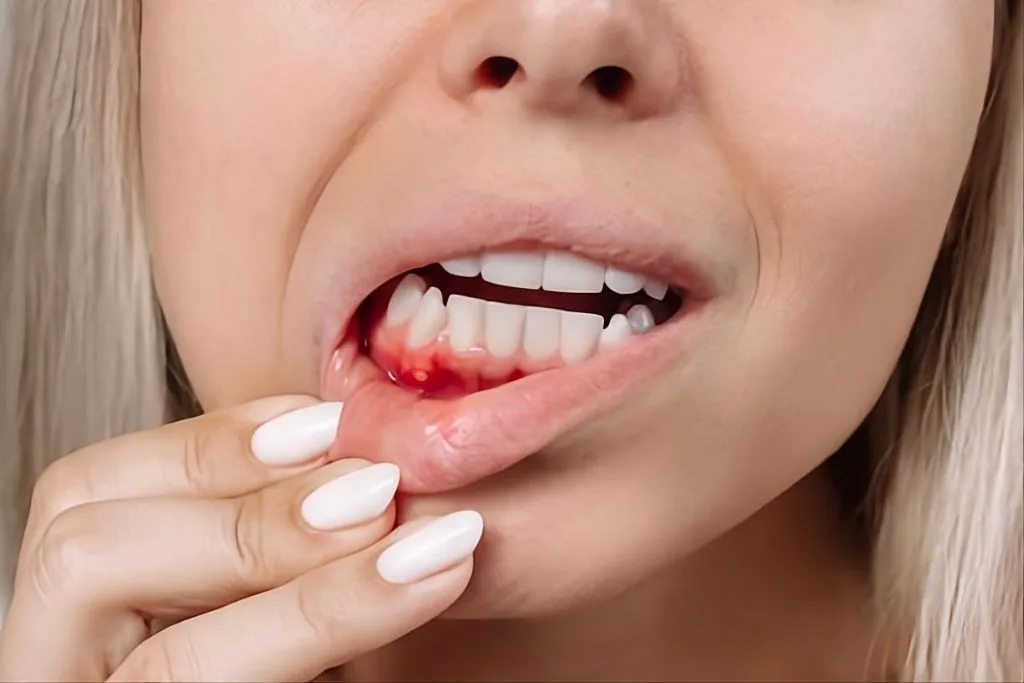
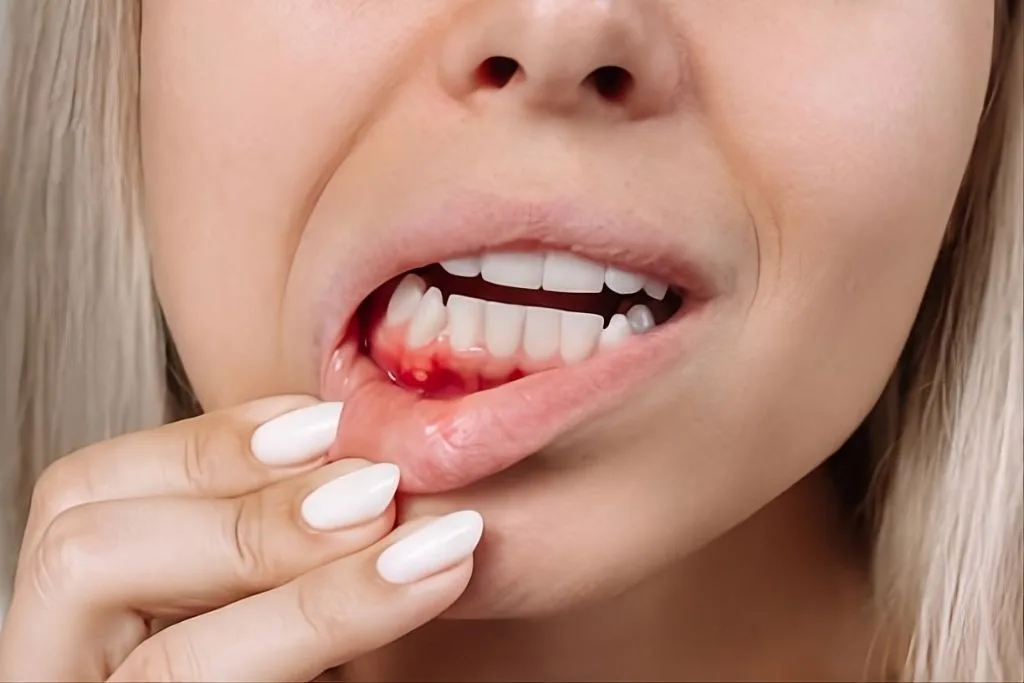
Bleeding when you brush or floss is one of the most common dental complaints there is, and for most people it's a signal from the gum tissue rather than a diagnosis in itself. Here's what's actually happening, what the research says about how fast it develops and clears, and when it stops being a "clean better" problem and becomes a "see a dentist" one.
What's Actually Causing the Bleeding
In the large majority of cases, the cause is plaque — a soft, sticky film of bacteria that forms on teeth every day, especially right at the gum line, where a toothbrush most often misses. The CDC explains that when plaque is left in place, it inflames the tissue around the tooth, and that early inflammation is what's called gingivitis. The National Institute of Dental and Craniofacial Research describes the same mechanism from a slightly different angle: plaque that isn't removed daily can harden into tartar, and bacteria living in both trigger the inflammation that damages gum tissue. Gingivitis is reversible with good cleaning — it's the earliest, mildest stage. Left alone, though, it can progress into periodontitis, the more advanced stage, which damages the bone and attachment holding teeth in place, and that stage isn't something a toothbrush can fix on its own.
How Fast Gums Actually Inflame — and Recover
Much of what dentistry knows about this timeline traces back to a landmark 1960s study. Researchers Harald Löe, Else Theilade and S. Börglum Jensen asked dental students with healthy gums to stop all oral hygiene for three weeks, then resume brushing and professional cleaning for another three weeks. As later summaries of the work describe, plaque and gingivitis built up steadily across those 21 days in twelve subjects — and once cleaning resumed for the next 21 days, the gum tissue returned to health. That's the experiment behind a principle dentists still lean on: plaque control, not simply waiting, is the direct lever on bleeding gums.
In everyday terms, that maps onto what most people experience. According to the American Dental Association, bleeding from a newly thorough flossing routine "usually goes away on its own in about a week." For a detailed, day-by-day picture of that recovery, see how long it takes gums to stop bleeding after flossing.
Other Things That Change How — or Whether — Gums Bleed
Plaque is the starting point, but several other factors change how obvious, or how stubborn, the bleeding is:
- Smoking. This is the one people most often get backwards. Nicotine constricts blood vessels in the gums, and a 2013 study in BioMed Research International found smokers had a measurably lower gingival bleeding index than non-smokers with comparable plaque — the bleeding was suppressed, not the disease. The researchers noted this "masks the clinical markers often used by dentists to monitor periodontal health," meaning smokers can have real gum disease with fewer warning signs. Both the NIDCR and CDC list smoking among the most significant risk factors for gum disease.
- Pregnancy and hormonal changes. Hormonal shifts during puberty, pregnancy and menopause make gum tissue more reactive to the same amount of plaque, which is why "pregnancy gingivitis" is so common. The ADA notes it tends to show up between the second and eighth month. We cover how to tell hormonal bleeding apart from developing gum disease in are my bleeding gums hormonal or gum disease?
- Diabetes. Cleveland Clinic lists diabetes among the systemic conditions linked to bleeding gums, and the relationship runs both directions — gum inflammation can make blood sugar harder to control, and poorly controlled blood sugar makes gum disease harder to manage.
- Blood-thinning medication. Anticoagulants make any minor gum irritation more likely to bleed, and to take a little longer to stop, even when the underlying gum health is otherwise fine. Cleveland Clinic lists these medications, alongside blood-clotting disorders and vitamin deficiencies, among the less obvious causes worth ruling out.
How Long Should This Actually Take to Settle?
Cleveland Clinic uses two weeks as a practical marker: if bleeding hasn't improved by then despite genuinely better daily cleaning, they recommend talking to a dentist or physician. In practice, most people notice a real difference well before that — closer to days than weeks — once plaque is being removed properly at the gum line every day, not just brushed over in passing. If your own timeline doesn't seem to be following that pattern, our companion piece on how long gums take to stop bleeding after flossing walks through what a normal week looks like versus what should prompt a check-up.
When to See a Dentist
Most bleeding responds to consistent, gentle daily cleaning. It's time to see a dentist if:
- Bleeding continues beyond two weeks of consistent, careful flossing and brushing
- It's accompanied by swollen, tender or receding gums
- You notice persistent bad breath, loose teeth, or a change in how your teeth meet when you bite
- Gums bleed spontaneously, with no brushing or flossing involved at all
Cleveland Clinic flags these as signs the bleeding may no longer be simple gingivitis. The ADA likewise advises seeing a dentist whenever bleeding is regular or a cause for concern, even without every sign above. If you're trying to work out which stage you're at, our guide to identifying early gum disease walks through what progression actually looks like, and this piece on gingivitis treatment covers what a dentist will typically do about it. If your gums are pulling back from the tooth as well as bleeding, receding gums from brushing too hard covers that related, but separate, problem.
Where Dental Pro 7 Fits In
Once daily cleaning is doing its job, some people like to add a finishing step at the gum line.
Dental Pro 7 is a lipid-based botanical concentrate applied along the gum margin. It's a cosmetic product, designed to support the appearance of firmer, pinker-looking gums as part of a routine — it is not a treatment, cure or prevention for gum disease, it does not kill bacteria, and it is not a substitute for flossing, brushing or a dentist's care. Think of it as something added on top of the basics above, never instead of them.
Shop Dental Pro 7 →Cosmetic product only — not a diagnosis, treatment or substitute for professional dental care. See a dentist for bleeding that doesn't settle with better cleaning.
Frequently Asked Questions
Why do my gums bleed when I brush or floss?
Almost always because of plaque sitting at the gum line, which inflames the tissue (gingivitis) and makes it bleed when disturbed. Cleaning that area more thoroughly, not less, is what settles it.
Should I stop brushing or flossing if my gums bleed?
No. Stopping lets more plaque build up, which usually makes bleeding worse. Keep cleaning gently but thoroughly, and expect real improvement within about a week, per the ADA.
Can smoking hide gum disease even if my gums don't bleed much?
Yes. Nicotine constricts blood vessels in the gums, which can suppress bleeding even when plaque and inflammation are present — so a lack of bleeding isn't proof of healthy gums in smokers.
Is bleeding gums during pregnancy normal?
It's common — hormonal changes make gums more reactive to plaque, and the ADA notes it typically appears between the second and eighth month of pregnancy. It still needs the same careful daily cleaning, and it's worth mentioning at dental visits.
When should I actually worry about bleeding gums?
If it lasts more than two weeks despite good cleaning, comes with swelling, receding gums, loose teeth or persistent bad breath, or happens without any brushing or flossing at all — that's when to see a dentist rather than wait it out.
This article is for general education and isn't a diagnosis or a substitute for professional dental advice. If you're concerned about bleeding gums, please see a dentist.