Gingivitis Treatment: How to Reverse It Before It Becomes Permanent
Last updated: 26 August 2026
Gingivitis is so common that the CDC notes that 42% of adults over 30 have periodontitis — and gingivitis is where it starts. The crucial thing to know is that, caught at this stage, it's reversible. Here's what causes it, how to spot it, and exactly how to turn it around.
What is gingivitis?
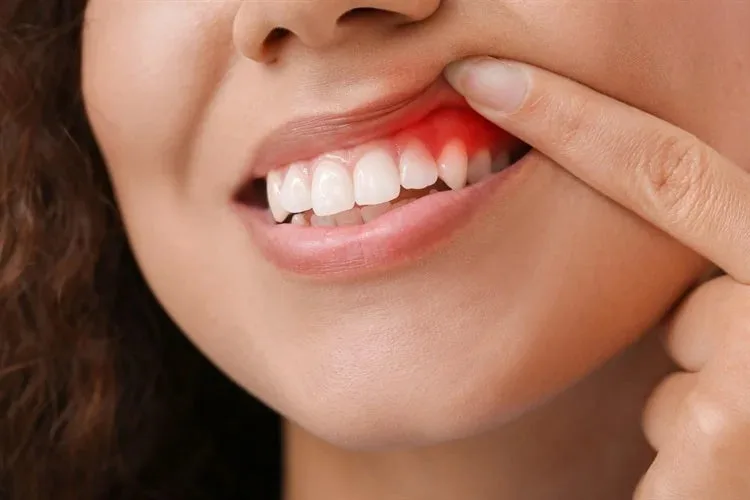
Gingivitis is inflammation of the gums caused by plaque — a sticky film of bacteria that constantly forms at the gum line. The bacteria release toxins that irritate the gums, making them red, puffy and prone to bleeding. At this stage there's no bone loss, which is why it can be fully reversed. If plaque isn't removed it hardens into tartar (which only a dentist can remove), and over time gingivitis can advance to periodontitis — deeper, permanent damage that can loosen teeth.
The warning signs
Gingivitis is often painless, so watch for the visible signs:
- Red, swollen or tender gums
- Bleeding when you brush or clean between your teeth
- Persistent bad breath or a bad taste
- Gums that look like they're starting to recede
Bleeding gums are the classic early flag — healthy gums don't routinely bleed, so it's worth acting on rather than ignoring. (More on that in why do my gums bleed?) For the full self-check — including the site-specific patterns that suggest it may have moved beyond gingivitis — run through our early gum disease signs and self-check guide.
What causes it — and who's most at risk
The root cause is plaque, but several things raise your risk: inconsistent brushing or cleaning between teeth, smoking (which also masks bleeding and slows healing), hormonal changes (pregnancy, puberty, menopause), diabetes and other conditions affecting immunity, some medications that cause dry mouth, a sugary diet, stress, and genetics. Having a risk factor doesn't guarantee gingivitis — it just means daily care matters even more.
How to reverse gingivitis
Because there's no permanent damage yet, gingivitis usually clears with consistent care over about two weeks:
- Clean between your teeth daily with floss or interdental brushes — this is where gingivitis starts and where a toothbrush can't reach.
- Brush twice a day for two minutes with a soft brush, angled toward the gum line; don't scrub hard.
- Don't rinse straight after brushing, so fluoride stays in contact longer.
- Get a professional scale and polish to remove tartar your brush can't shift — often the step that tips gums back to health.
- Address the risk factors: stop smoking, cut frequent sugary snacking, manage stress.
If your gums don't improve within a couple of weeks, or you notice gums pulling away or teeth feeling loose, see a dentist — it may have progressed beyond gingivitis (see how gum disease is treated by stage).
📋 Please note: Dental Pro 7 is a daily-care cosmetic concentrate that supports the appearance of healthy-looking gums. It is not a medicine or a treatment for gingivitis — see a dentist for diagnosis and care.
Daily Care Protocol with Dental Pro 7
As a daily step, Dental Pro 7 is a professional-strength lipid concentrate that clings to the gum line where water-based products wash away — supporting the look of visibly firmer, pinker, healthier-looking gums you can see and feel.
- Step 1. Put a few drops of Dental Pro 7 on your toothbrush (in place of toothpaste).
- Step 2. Brush gently along the gum line for two minutes, then clean between your teeth.
- Step 3. Spit — don't rinse. The anhydrous formula is designed to cling to the gum line, so rinsing washes the benefit away.
Rated 4.81/5 from 190 verified buyers · 90-day money-back guarantee. Cosmetic product — not a diagnosis or medical advice.
Frequently Asked Questions
Can gingivitis be reversed?
Yes. Because gingivitis hasn't caused bone loss, it's fully reversible — usually within about two weeks of better daily cleaning plus a professional scale and polish. Once it advances to periodontitis, it can be controlled but not reversed.
What causes gingivitis?
Plaque — a bacterial film at the gum line — is the root cause. Inconsistent cleaning, smoking, hormonal changes, diabetes, dry-mouth medications, a sugary diet, stress and genetics all raise the risk.
How long does it take to get rid of gingivitis?
With consistent brushing, daily cleaning between teeth, and a dental cleaning, most people see gums settle within one to two weeks. If they don't, see a dentist.
Should I rinse after using Dental Pro 7?
No — spit but don't rinse. Dental Pro 7 is an anhydrous lipid concentrate designed to cling to the gum line, so rinsing with water would wash it away. (DP7 Pro Rinse is the separate product you dilute in water.)