Early Gum Disease: Signs, Self-Check & Progression
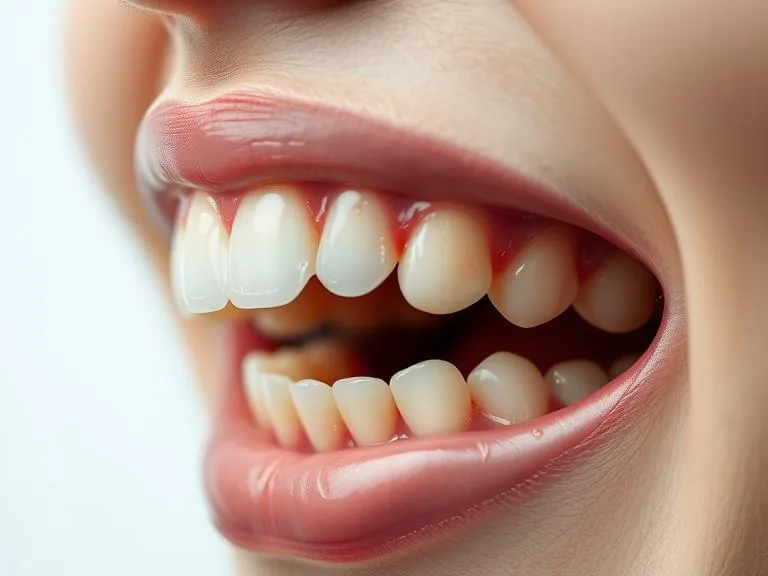
Last updated: 26 August 2026
Almost everyone gets a little gum inflammation at some point — and the good news is that the earliest stage of gum disease is the one you can completely undo. The catch is that it's quiet: the signs are subtle and easy to brush past (sometimes literally). This guide is about spotting early gum disease, telling everyday gum-edge irritation apart from something that's starting to progress, and knowing when to act. For the full treatment detail see our guide to gingivitis treatment, and for how care changes across stages, how gum disease is treated.
What "early" gum disease really means
Early gum disease is gingivitis: the gums become inflamed because plaque — a sticky film of bacteria — sits along the gum line and irritates the tissue. At this stage the inflammation is limited to the gum itself; the bone and fibers that hold your teeth in place haven't been damaged. That's the key distinction, and it's worth understanding clearly:
| Gingivitis (early) | Periodontitis (advanced) | |
|---|---|---|
| What's affected | Gum tissue only | Gum, bone and supporting fibers |
| Can it be undone? | Yes — fully, with care | No — only manageable |
| Typical signs | Bleeding when brushing, redness, puffiness | Receding gums, pockets, loose teeth |
Because gingivitis can be undone and periodontitis can't, the early window is genuinely valuable. Act now and you avoid a lifetime of management later.
The early warning signs (an easy self-check)
Run through these the next time you brush:
- Pink in the sink — any bleeding when you brush or clean between teeth is the classic first sign, not something to ignore. (Just started flossing? Some initial bleeding is common in the first days — here's the day-by-day timeline of when it should stop.)
- Redness or a glossy look — healthy gums are firm and matte; inflamed gums look redder and shinier.
- Puffiness — gums that look a little swollen or feel tender.
- Persistent bad breath or a bad taste that keeps coming back.
- Gums that feel slightly soft rather than firm at the margin.
None of these hurt much, which is exactly why early gum disease gets missed. If you spot two or more, treat it as your cue to act.
Still gingivitis — or early periodontitis? The patterns that tell them apart
The only reliable way to tell whether gingivitis has progressed to periodontitis is a periodontal exam — a dentist or hygienist measuring pocket depth and checking for attachment loss with a probe. Bleeding patterns at home are not a substitute for that measurement, so if bleeding persists beyond two weeks of good cleaning, book an assessment.
| Pattern | More like gingivitis | More like early periodontitis | What to do |
|---|---|---|---|
| Bleeding when brushing | Many spots bleed, then settle within a week or two of careful care | The same 2–4 sites keep bleeding for 7–14 days despite good care | Note which sites; if it persists past two weeks, book an assessment |
| Gum line appearance | Even, puffy-looking margin without contour change | A subtle "longer tooth" look or exposed ledge at specific teeth | Compare photos taken a month or two apart |
| Spaces and food traps | No new gaps; floss glides as usual | New food traps, or floss suddenly feels different at one spot | Log where it happens; raise it with your dentist |
| Morning breath | Improves quickly with thorough brushing and interdental cleaning | A lingering odor from the same areas despite good technique | Focus interdental cleaning there; if persistent, get advice |
If the right-hand column sounds familiar, that's not a reason to panic — it's a reason to get a periodontal chart done, because those measurements (not guesswork) are how the stage is confirmed. Our guide to how gum disease is treated covers what happens from there, stage by stage.
How to track your gums month to month
Gum changes are slow, which makes comparison your best tool:
- Keep a simple mouth map. Note any bleeding points and the date — a scrap of paper or a phone note is fine. What matters is whether the same sites recur.
- Take same-light photos. A close-up of the same teeth under similar lighting once a month makes a subtle "longer tooth" look or gum-line change much easier to spot. (Not sure what that looks like? See what the start of receding gums looks like.)
- Notice new cold sensitivity. A new "zing" from cold at one specific spot can accompany a small gum-line change — track the location and whether it repeats.
Turning it around: the short version
Because early-stage inflammation is confined to the gum edge, it responds fully to consistent plaque removal: a professional cleaning to clear hardened tartar, daily cleaning between the teeth, and gentle twice-daily brushing along the gum line — with gums typically settling within one to two weeks. The complete step-by-step (including causes, risk factors, and what to do if it isn't settling) lives in our dedicated guide: how to reverse gingivitis. Home extras like a warm saltwater rinse or oil pulling can support the routine but don't replace the plaque removal — and once gums settle, the same daily routine is what keeps gingivitis from coming back.
When to see a dentist
Book an assessment if the same few sites still bleed after 7–14 days of careful daily care, or if you notice new spacing or food traps, a "longer tooth" look, persistent one-spot odor, or any looseness. Expect a thorough look rather than anything dramatic: your dentist or hygienist will chart the gum crevice around each tooth, note bleeding points, check for plaque-retentive spots, and coach your technique — usually with a review a couple of months later to confirm things are heading the right way.
📋 Please note: Dental Pro 7 is a daily-care cosmetic concentrate that supports the appearance of healthy-looking gums. It is not a treatment for any gum condition and is not a substitute for professional dental care.
Where Dental Pro 7 fits
As a finishing step after brushing and interdental cleaning, Dental Pro 7 is a professional-strength, 100% lipid (water-free) botanical concentrate. Because it's anhydrous, it's designed to cling to the gum line rather than rinse away like a water-based product — supporting the look and feel of firmer, pinker, healthier-looking gums and fresher breath. Apply a few drops to your toothbrush, brush gently along the gum line, then spit — don't rinse. It's a cosmetic that complements your daily routine and professional cleanings, rated 4.81/5 from 190 verified buyers with a 90-day money-back guarantee.
Frequently Asked Questions
What are the early signs of gum disease?
The earliest signs are bleeding when you brush or floss, gums that look red or glossy rather than firm and pink, puffiness, and persistent bad breath. They're usually painless, which is why they're easy to miss.
What's the difference between gingivitis and periodontitis?
Gingivitis affects only the gum edge — the tissue is inflamed, but the bone and fibers supporting the teeth are untouched, which is why gingivitis can be fully reversed. Periodontitis means that deeper support has started to break down; it can be stabilized and managed, but not undone. The practical difference shows in the pattern: gingivitis tends to improve everywhere once cleaning improves, while early periodontitis keeps misbehaving at the same specific sites.
How do I know if it's gone beyond gingivitis?
Watch for site-specific persistence: the same two to four spots bleeding for 7–14 days despite careful cleaning, new spaces or food traps, a subtle "longer tooth" look, or one area that always smells or tastes off. Any of those is your cue to have a dentist measure the gum crevice — periodontal charting is how the stage is actually confirmed.
When should I see a dentist about early gum disease?
If you spot two or more early signs, or bleeding hasn't settled after about two weeks of careful daily care, book in. Early assessment is quick, and acting at this stage is precisely what keeps the problem in the fully-fixable window.
Does Dental Pro 7 treat early gum disease?
No. Dental Pro 7 is a cosmetic that supports the appearance of healthier-looking gums as part of daily care. Settling gingivitis comes from plaque removal — daily cleaning plus a professional clean.