Understanding Puffy Gums: Causes, Treatments, and Prevention Overview: Gingivitis and periodontitis
Last updated: 2026-06-25
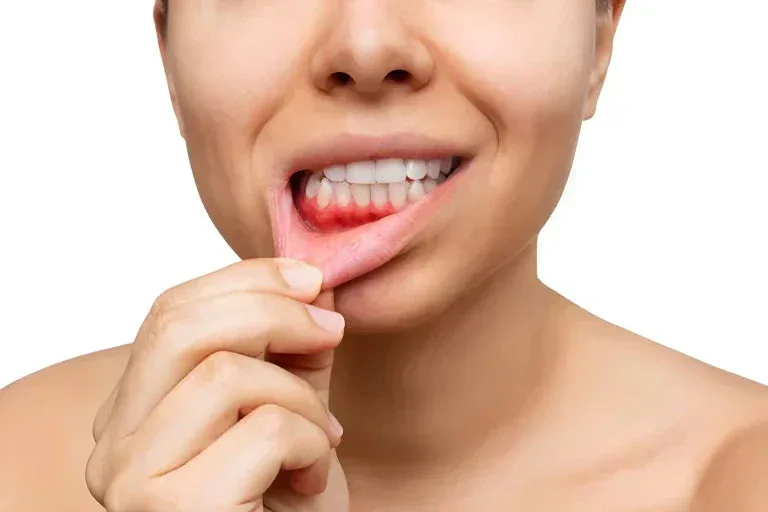
Puffy or swollen gums are common, and usually a signal worth heeding rather than ignoring. Healthy gums look firm and pale pink; when they look red, shiny and swollen, something is irritating them. Most of the time it's plaque — but not always. Here's what causes puffy gums, what genuinely helps, and when it's time to see a dentist.
What causes puffy gums?
- Gingivitis — by far the most common cause: plaque at the gum line inflames the gums, making them red, puffy and prone to bleeding. (See gingivitis: causes and how to reverse it.)
- Inconsistent cleaning — letting plaque build up between teeth and at the gum line.
- Hormonal changes — pregnancy, puberty and menopause make gums more reactive.
- Vitamin C deficiency — low vitamin C can inflame gums (severe deficiency causes scurvy).
- Medications — some blood-pressure drugs, immunosuppressants and anti-seizure medicines can cause gum overgrowth or swelling.
- Dental appliances — poorly fitting dentures or braces rubbing the gums.
Because the causes overlap, persistent swelling deserves a proper look — the InformedHealth overview of gingivitis and periodontitis is a good plain-language primer.
What helps puffy gums?
At home:
- Clean thoroughly but gently — brush twice daily with a soft brush along the gum line, and clean between teeth daily.
- Saltwater rinse — warm salt water can soothe inflamed gums.
- Cold compress on the outside of the cheek for comfort.
- Top up vitamin C through a balanced diet, and stay hydrated.
- Ease off irritants — tobacco and heavy alcohol worsen swelling.
From the dentist: a professional scale and polish removes the tartar that brushing can't, and is often what settles stubborn swelling. Where there's infection, a dentist may prescribe an antimicrobial rinse or antibiotics; advanced cases occasionally need further treatment.
📋 Please note: Dental Pro 7 is a daily-care cosmetic concentrate that supports the appearance of healthy-looking gums. It is not a medicine, does not treat gum disease, and is not a substitute for dental care.
Where does Dental Pro 7 fit in?
As a daily finishing step after brushing, Dental Pro 7 is a professional-strength, 100% lipid (water-free) botanical concentrate — and it punches well above an ordinary rinse. Where a water-based mouthwash washes away in seconds, Dental Pro 7 is built to cling to the gum line, supporting the look and feel of visibly firmer, pinker, healthier-looking gums, a cleaner, fresher-looking gum line, and a noticeable reduction in the look of redness — a difference many people genuinely see and feel within a few weeks. Apply a few drops to your toothbrush, brush gently along the gum line, then spit — don't rinse (the anhydrous formula is meant to stay in contact, not wash away). Rated 4.81/5 from 190 verified buyers with a 90-day money-back guarantee. It's a powerful cosmetic complement to good oral hygiene — for the underlying cause of swelling, still see a dentist.
When should you see a dentist?
Book an appointment if swelling lasts more than a week or two despite good home care, or if you have severe pain, gums that bleed heavily, pus, a bad taste that won't shift, or loose teeth. Early intervention prevents gingivitis progressing to periodontitis (more on that in how gum disease is treated).
Frequently Asked Questions
What causes puffy gums?
Most often gingivitis (plaque-driven gum inflammation), but hormonal changes, vitamin C deficiency, certain medications and ill-fitting dental appliances can also cause swelling.
How can I reduce gum swelling at home?
Clean gently but thoroughly, rinse with warm salt water, use a cold compress for comfort, top up vitamin C and stay hydrated. If it doesn't settle within a week or two, see a dentist.
Are puffy gums serious?
Usually they're early, reversible gingivitis — but persistent swelling, pain, pus or loose teeth can signal something more advanced and should be checked promptly.
Should I rinse after using Dental Pro 7?
No — spit but don't rinse. It's an anhydrous lipid concentrate designed to cling to the gum line, so rinsing washes it away. (DP7 Pro Rinse is the separate product you dilute in water.)