Cuticle Oil and Natural Nail Care: What Actually Helps
Last updated: 2 September 2026
What the cuticle actually is
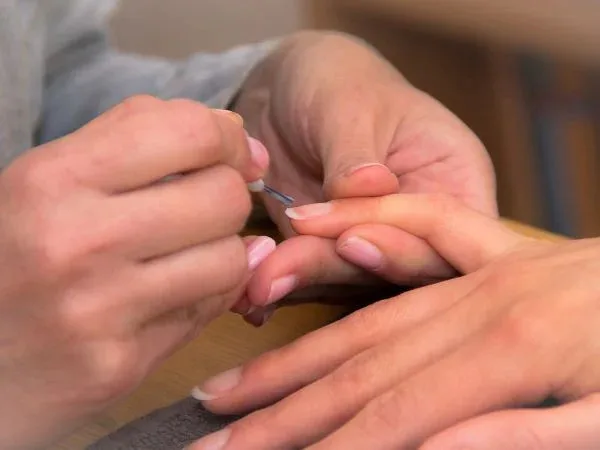
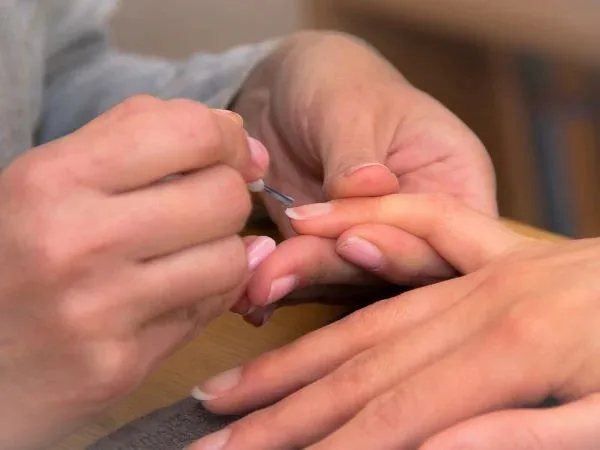
The cuticle isn't dead tissue waiting to be trimmed away. It's a thin band of living skin (the eponychium) that grows from the base of the nail and, with the proximal nail fold, seals off the nail matrix underneath — where new nail cells are actually produced. That seal keeps out bacteria and fungi. The American Academy of Dermatology's nail-care guidance is direct: don't remove the cuticle. Cutting it breaks that seal and raises infection risk — the opposite of what most people want. Soften it with oil and nudge it back gently instead.
What a nail actually is (and why that limits what any product can do)
The nail plate you see and file is not living tissue. Its cells are keratinocytes that lose their nuclei on the way to the surface — the same terminal process skin's outer layer goes through, ending in flattened, nucleus-free keratin (StatPearls, Histology of the Nail). There's no blood supply in the plate and nothing to "feed." Anything a cream or oil does happens at the surface, or at best in the surrounding living skin. It cannot reach the matrix to change how the nail is made, and it cannot repair a section already grown out damaged — that section has to grow out and be replaced.
Why nails split or bend: water, not vitamins
Brittle nails are usually a hydration problem, not a nutrient-deficiency one. Nail keratin needs water to stay flexible — around 16% is cited as optimum — and water acts as what dermatologists call a plasticizer, the same role it plays in skin. Hydrated keratin bends under stress; dehydrated keratin fractures. One dermatology review puts it plainly: dehydrated nails become brittle and split, while dehydrated skin cracks and flakes — different tissues, same mechanism (Draelos, Understanding and Treating Brittle Nails). This is where oil genuinely helps: sealing surface moisture around the nail and cuticle reduces the daily water loss that dries keratin out, even though it isn't absorbed deep into the plate.
What cuticle oil can do, and what it can't
A good oil softens the cuticle and skin around the nail fold, reduces snagging that turns into hangnails, and slows water loss so surrounding tissue stays pliable — visible within days, because it's a surface and living-skin effect. It cannot change the growth rate, "strengthen" the plate from within, or reverse an existing split. You'll sometimes see claims that jojoba or almond oil molecules are "small enough to penetrate the nail plate." That circulates widely in nail-care marketing, but there's no published clinical evidence of meaningful penetration or resulting strength change — treat it as unproven. The oils still condition the surface and surrounding skin well, which is most of what a topical product can realistically do.
How fast nails actually grow — and why any routine takes months to judge
Fingernails grow at roughly 3 millimeters a month on average, and full replacement takes at least six months (Cleveland Clinic, Nail Anatomy). That matters for expectations: if a section is already damaged — split, peeling, discolored from a gel removal — no product changes it; it has to grow out. A weak patch near the cuticle today typically reaches the free edge, where it can be trimmed, in three to six months. Judge any nail-care routine by the new growth near the cuticle after a few months, not the tips next week.
Biotin and diet: what the evidence really shows
Biotin (vitamin B7) is the supplement most associated with brittle nails, and it has some supporting research — but the evidence is thinner than the marketing implies. The studies most often cited are small and decades-old; one is a retrospective, survey-based report rather than a controlled trial, and a review of the evidence states plainly that well-designed, double-blind, randomized controlled trials of biotin for nails are still lacking (Pathogenesis, Clinical Signs and Treatment Recommendations in Brittle Nails: A Review). That doesn't mean it does nothing — some see improvement over months of use — but the evidence is suggestive, not settled. Protein and iron matter more reliably for keratin, and any dietary change only shows in new growth, over months.
Everyday habits that quietly damage nails
Most nail damage is mechanical and chemical wear, not deficiency. Repeated water contact swells and re-dries the plate, weakening it; gloves for wet or chemical chores are the single most effective habit change. Acetone remover is dehydrating with regular use, and detergents strip the same protective moisture an oil is trying to replace (Draelos, Understanding and Treating Brittle Nails). Gel and acrylic removal, especially soaked or peeled off rather than filed gently, strips several layers of plate at once — a mechanical injury, separate from anything nutritional. See our guide on repairing nails after gel or acrylic removal, or on why nails go weak and brittle.
Where PROVITÉ fits — and what it honestly is
PROVITÉ Nail Elixir is a cosmetic nail and cuticle conditioning treatment — a concentrate of fatty acids, plant oils and botanical extracts massaged into the nail plate and cuticle. Said plainly: it is not a fungal treatment, does not treat any medical condition, and cannot repair keratin already grown out damaged. What it can do is condition the cuticle and surrounding skin, help the nail surface retain moisture, and improve the appearance of new growth with consistent use — the same mechanisms described above, formulated for regular application.
- Step 1. Remove old polish with a gentle, acetone-free remover.
- Step 2. Massage a small amount of PROVITÉ into each cuticle and nail plate.
- Step 3. Use daily, and judge results at the cuticle line after two to three months.
Cosmetic use only — not a substitute for diagnosing or treating a medical nail condition. See a dermatologist for suspected fungal infection, persistent pain, or changes in nail color or shape.
Frequently Asked Questions
Does cuticle oil make nails grow faster?
No. Growth rate is set by the matrix under the cuticle, not by anything applied to the plate. Oil can make new growth look healthier as it emerges, but it doesn't speed up the roughly 3mm-a-month rate itself.
Should I cut my cuticles before applying oil?
No — dermatologists advise against removing the cuticle, since it's living skin that seals out infection. Soften it with oil and push it back gently instead.
Will biotin fix brittle nails?
It might help some people, but the trial evidence is thin: small, older, and not well controlled. It's reasonable to try alongside good moisture habits, but it isn't a proven fix on its own.
Can cuticle oil repair a nail that's already split or damaged?
No. The nail plate is dead keratin with no living cells to repair — a damaged section has to grow out. Conditioning treatments can only influence how the new growth looks.
How long before I see results from a nail-care routine?
Give it two to three months. Fingernails take about six months to fully replace themselves, so change shows gradually at the cuticle line, not overnight at the tips.
This article is educational, not medical advice or diagnosis. PROVITÉ is a cosmetic product for the appearance and condition of nails and cuticles, not a treatment for fungal infection or any medical condition. Consult a healthcare professional for persistent nail problems.